- Building Supplies
- Electrical
- Smart Home, Security, Wi-Fi
- TV & Home Theater
- Extension Cords & Surge Protectors
- Electrical Wire & Cable
- Service Entrance Cables
- Primary Wire
- Sprinkler Wire
- Security Cables
- Armored Cable
- Power Cord
- Thermostat Wire
- Network & Data Cables
- XHHW Wire
- Specialty Wire & Cables
- Ground Wire
- Cable & Wire Holders
- Electrical Whips & Whip Kits
- Dual Armored Cable
- Non-Metallic Wire
- Landscape Lighting Cables & Connectors
- UF Wire
- TFFN & THHN Wire
- Speaker Wire
- Submersible Pump Cables
- Cable & Wire Connectors
- Wall Plates & Inserts
- Conduit & Conduit Fittings
- Generators
- Electronics
- Light Sockets & Adapters
- Electrical Outlets & Plugs
- Electrical Testers & Tools
- Batteries
- Fire Safety
- Light Switches & Dimmers
- Electrical Boxes & Covers
- Solar Power
- Doorbells
- Power Distribution & Circuit Protection
- Electrical Tape
- Lawn & Garden
- Garden Hoses & Accessories
- Landscaping & Hardscaping
- Outdoor Tools & Equipment
- Snow Blowers, Parts & Accessories
- Lawn & Garden Hand Tools
- Chainsaws & Pole Saws
- Spreaders & Sprayers
- Power Equipment Combo Kits
- Trimmers & Edgers
- Power Equipment Parts
- Lawn Aerators
- Engine Oil
- Wheelbarrows & Yard Carts
- Pressure Washers
- Snow Plows & Accessories
- Leaf Blowers
- Log Splitters
- Tillers & Cultivators
- Mulchers & Wood Chippers
- Axes & Mauls
- Power Equipment Fuel
- Garden Decor
- Outdoor Fountains
- Ponds
- Weathervanes
- Bird & Wildlife
- Garden Bridges
- Garden Arbors & Trellises
- Garden Fencing
- Well Pump Covers
- Garden Stakes & Shepherds Hooks
- Flags & Banners
- Outdoor Decorative Lanterns
- Garden Statues & Sculptures
- Outdoor Torches & Candles
- Thermometers, Clocks & Gauges
- Garden Stools
- Wind Chimes & Twisters
- Insect & Pest Control
- Pots & Planters
- Grills & Outdoor Cooking
- Irrigation & Outdoor Drainage
- Lawn Mowers
- Plant Care
- Storage & Organization
- Plumbing
- Water Heater Parts & Accessories
- Pipe & Fittings
- CPVC Pipe & Fittings
- Push to Connect Fittings
- Polyethylene Pipe, Fittings & Accessories
- Pipe Support & Clamps
- PEX Pipe, Fittings & Specialty Tools
- Tubing & Hoses
- Sewage Pipe & Fittings
- Structural Pipe & Fittings
- ABS DWV Pipe & Fittings
- Copper Pipe & Fittings
- CSST Pipe & Fittings
- Galvanized Pipe & Fittings
- Brass Fittings
- Pipe Insulation
- Black Pipe & Fittings
- PVC DWV Pipe & Fittings
- PVC Pipe & Fittings
- Water Filtration & Water Softeners
- Supply Lines
- Utility Sinks & Faucets
- Water Pumps & Tanks
- Valves & Valve Repair
- Water Heaters
- Plumbing Parts & Repair
- Augers, Plungers & Drain Openers
- Plumbing Tools & Cements
- Tools
- Air Tools & Compressors
- Hand Tools
- Clamps & Vises
- Hand Saws & Blades
- Taps & Dies
- Cutting & Crimping Tools
- Staple Guns & Riveters
- Multi-Tools
- Pliers & Plier Sets
- Punches & Knockout Punch Sets
- Sockets & Socket Adapters
- Maintenance Tools
- Powder Actuated Tools & Fasteners
- Ratchets & Breaker Bars
- Chisels & Pry Bars
- Mechanics Tool Sets
- Household Tool Sets
- Nut Drivers & Keys
- Files & Planes
- Grease Guns & Fittings
- Wrenches & Wrench Sets
- Hammers
- Screwdrivers
- Levels & Measuring Tools
- Drills & Drivers
- Clothing
- Ladders & Scaffolding
- Power Tools
- Safety
- Tool Storage & Work Benches
- Shop Vacuums & Accessories
- Flashlights
- Welding & Soldering
- Jobsite Radios
- Paint
- Heating & Cooling
- Furnaces & Furnace Accessories
- HVAC Duct & Fittings
- Registers & Grilles
- Thermostats
- Fireplaces & Stoves
- Humidifiers & Dehumidifiers
- Air Conditioners & Fans
- Through Wall Fans
- Whole House Fan Shutters
- Ductless Mini Splits
- Blower Fans
- Portable Air Conditioners
- Evaporative Coolers
- Evaporative Cooler Accessories
- Whole House Fans
- Window Air Conditioners
- Wall Air Conditioners
- Wall Mounted Fans
- Central Air Conditioners
- Air Conditioner Parts & Accessories
- Portable Fans
- Whole House Fan Timers
- Air Filters & Accessories
- Air Purifiers & Accessories
- Portable & Space Heaters
- HVAC Components
- Heat Pumps
- Underfloor Heating
- Heating Fuel Tanks
- Radiator Covers
- Boilers
- Cleaning Supplies
- Hardware
- Cabinet Hardware
- Door Hardware
- Door Latch Hardware
- Door Security
- Closet Door Hardware
- Door Jamb Security & Repair Kits
- Pocket Door Hardware
- Screen & Storm Door Hardware
- Door Knockers
- Deadbolts
- Barn Door Hardware
- Door Sweeps
- Bathtub & Shower Door Hardware
- Sliding Patio Door Hardware
- Screen & Storm Door Handles
- Door Closers
- Door Handles
- Door Knobs
- Door Hinges
- Electronic Door Locks
- Door Kick Plates
- Door Stops
- Handlesets
- Picture Hangers
- Window Hardware
- Metal Rods, Shapes & Sheets
- Specialty Hardware
- Safes
- Furniture Hardware
- Fasteners
- Chains, Ropes & Tie-Downs
- Signs, Letters & Numbers
- Keys & Key Safes
- Locks
- Hooks
- Marine Hardware
- Automotive
- Lighting
- Flooring
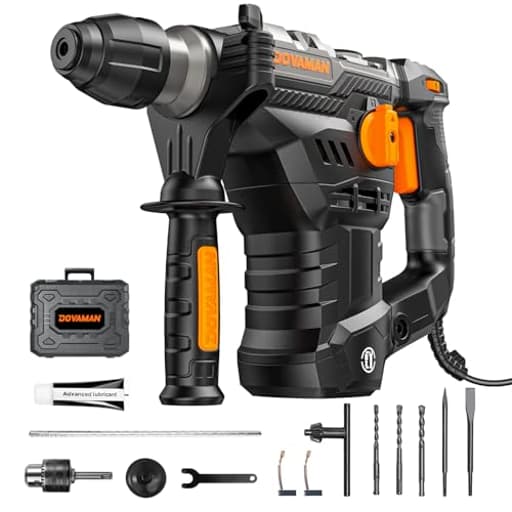
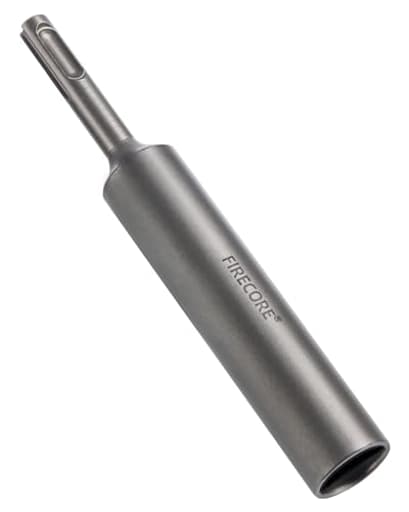
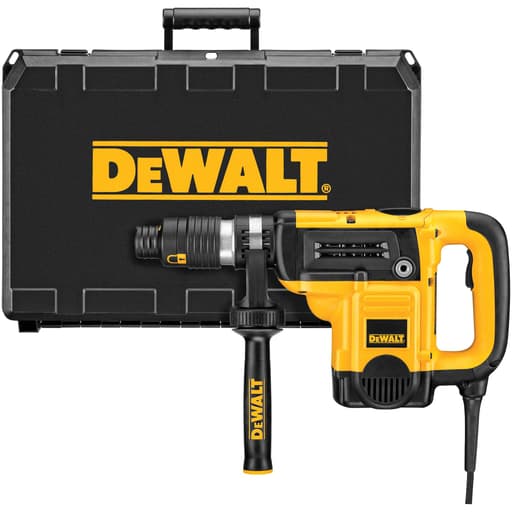
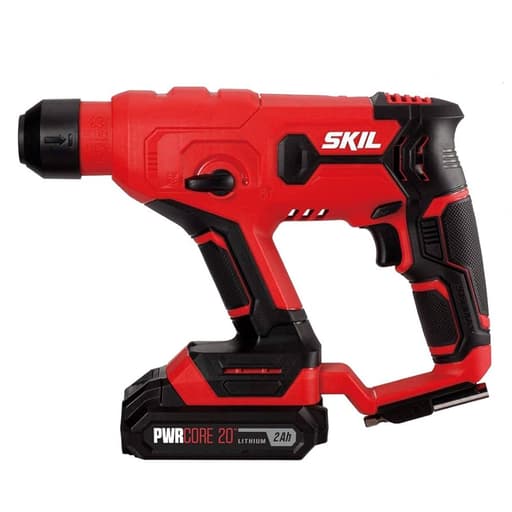
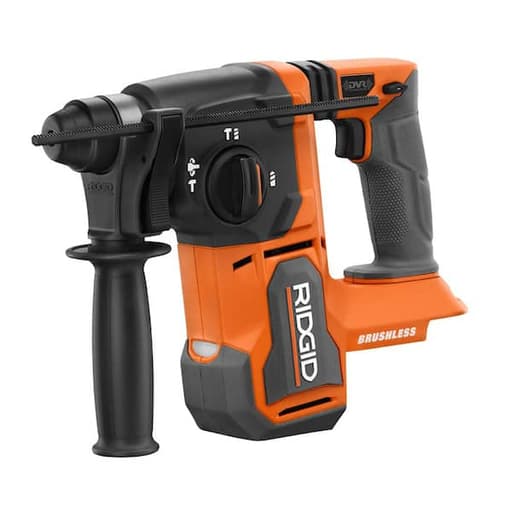
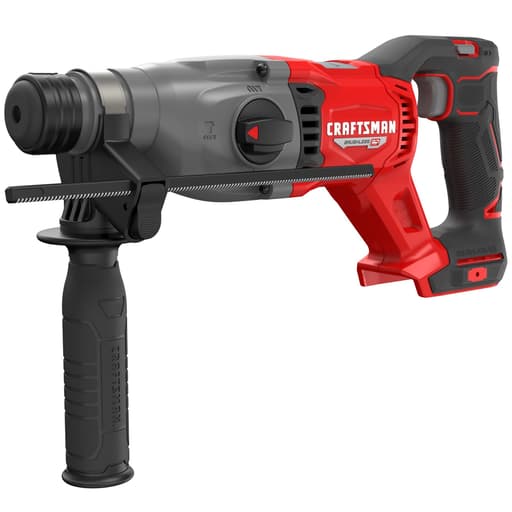
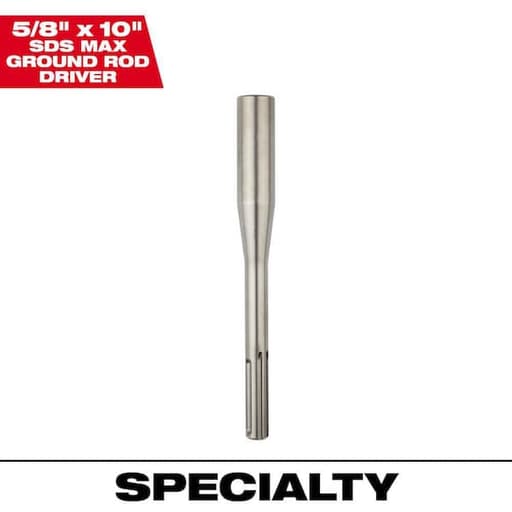
Rotary hammer drills are built to punch through concrete, masonry, stone, and rebar with far less effort than a standard hammer drill. Using a piston mechanism that delivers high impact energy, they drill anchor holes, drive ground rods, and power through block or slab with speed and precision. With hammer-only mode, they also handle light demolition, tile removal, and channel chasing, making them a go-to for remodelers, electricians, plumbers, and concrete pros.
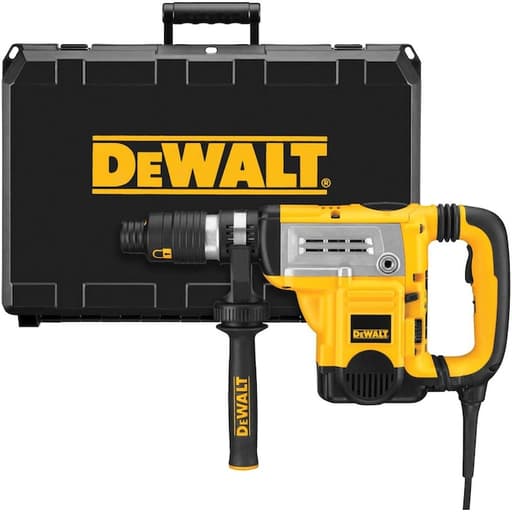
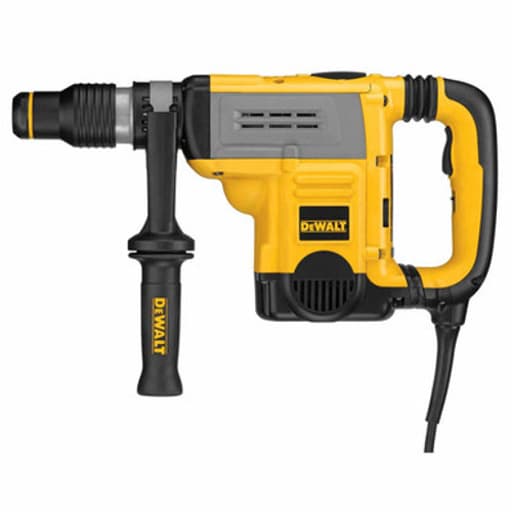
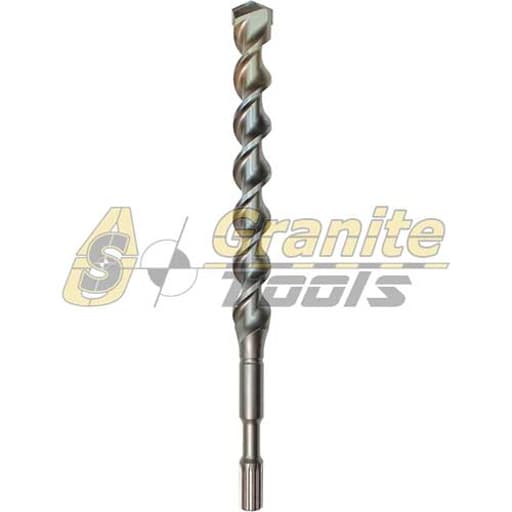
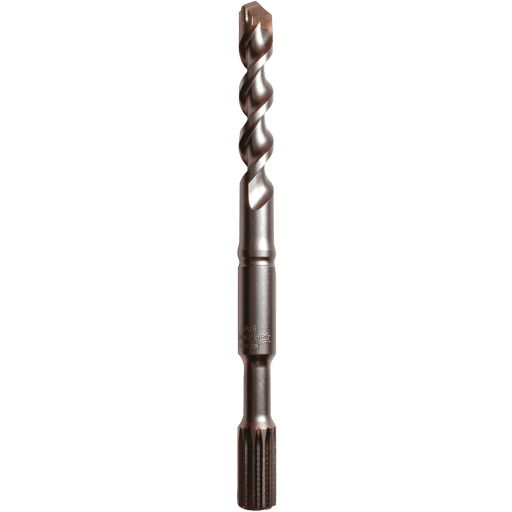
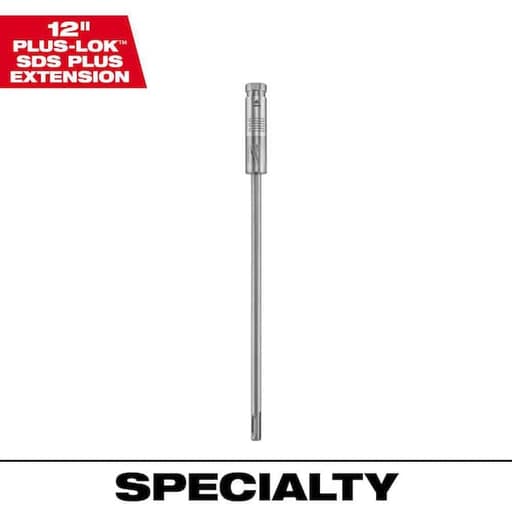
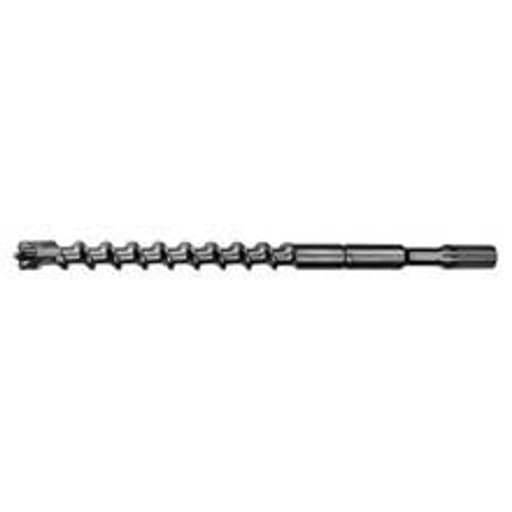
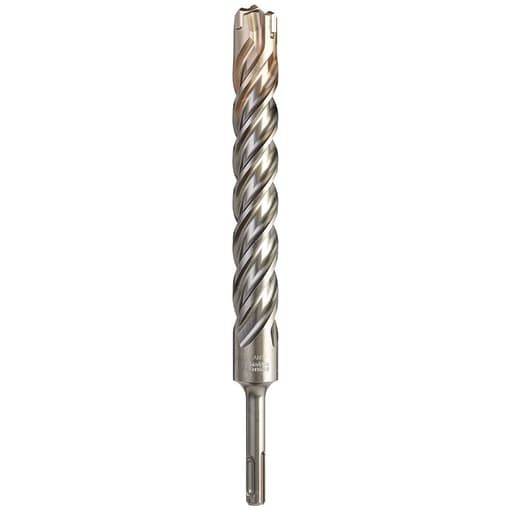
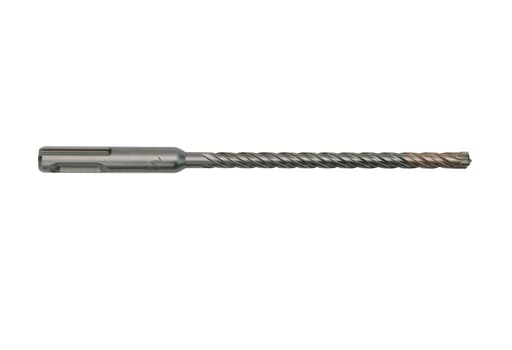
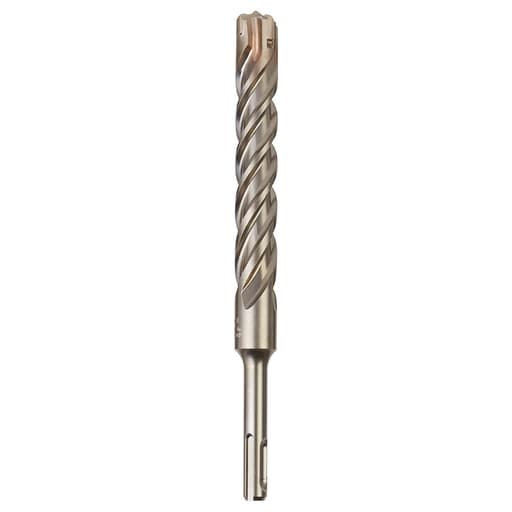
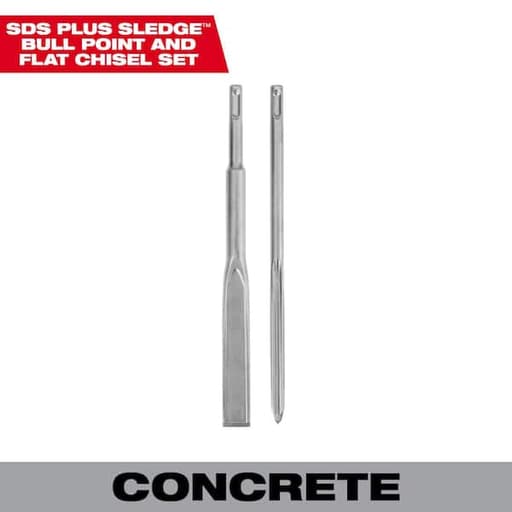
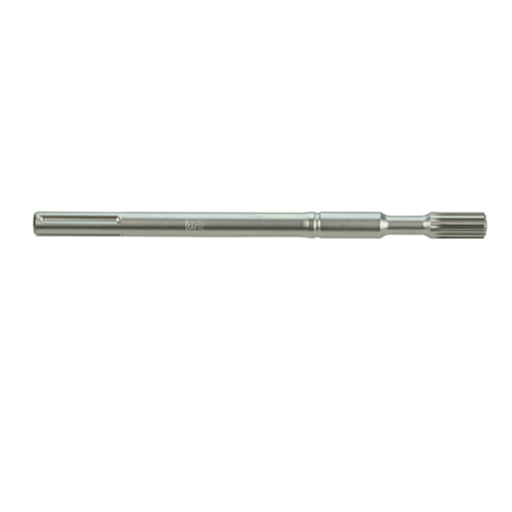
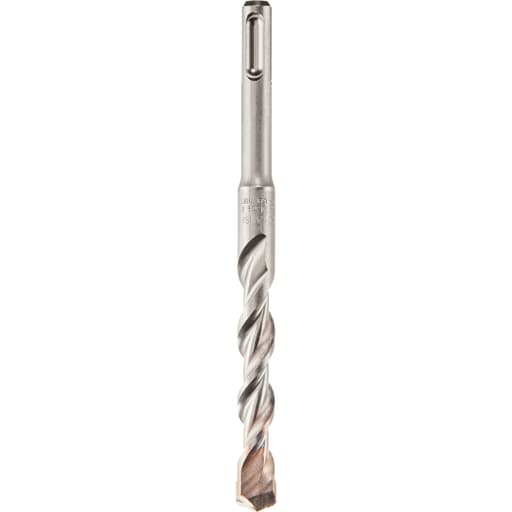
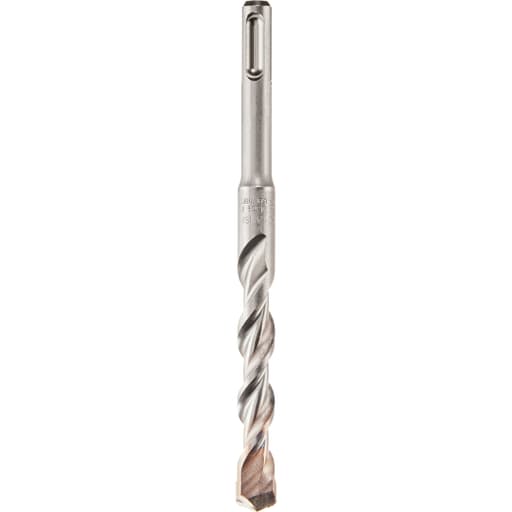
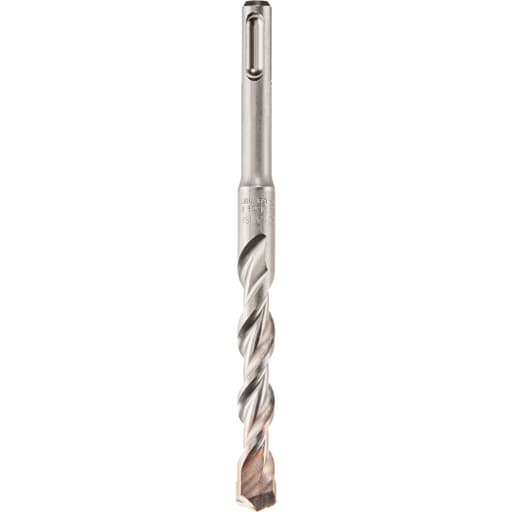
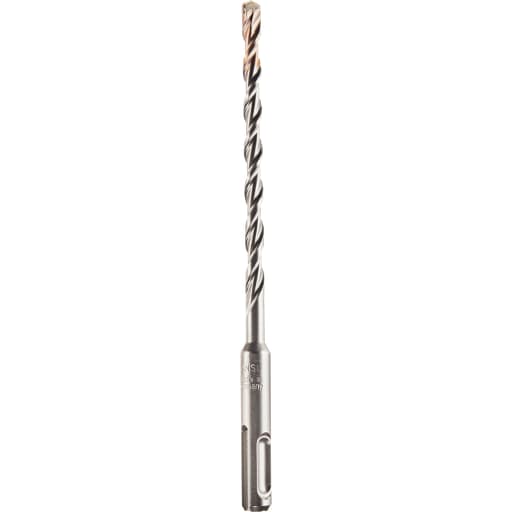
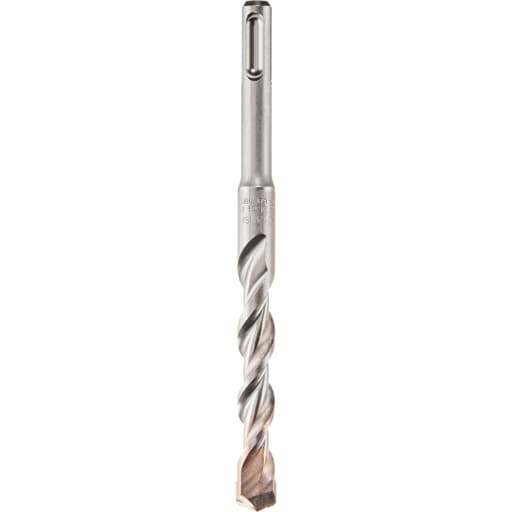
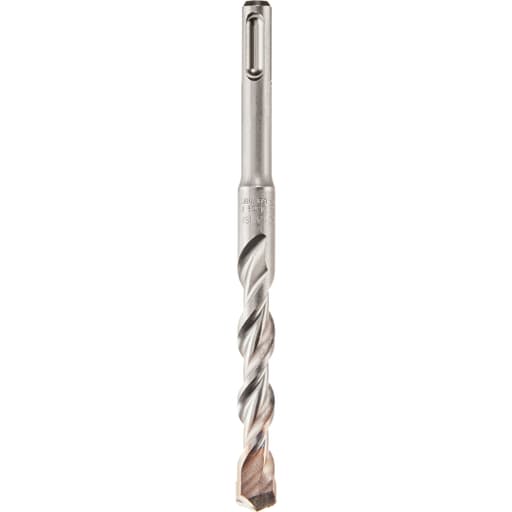
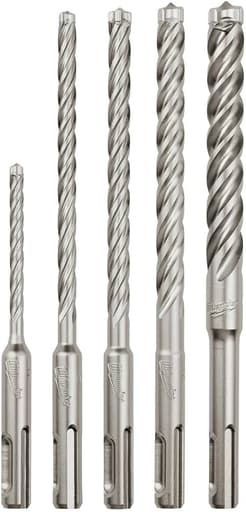
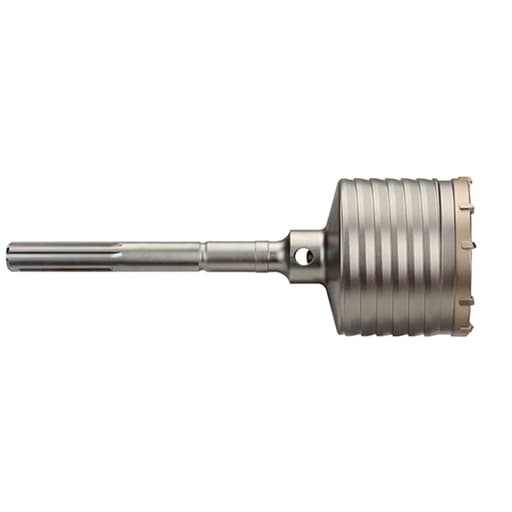
Choosing the right rotary hammer starts with the shank system. SDS-Plus suits everyday concrete drilling up to about 1 inch, while SDS-Max serves heavier-duty work and larger diameter holes. Compare impact energy (joules), blows per minute (BPM), and no-load RPM to match tool performance to your material and bit size. Look for 2-mode or 3-mode operation (drill, hammer drill, hammer-only), variable speed, a mechanical clutch for bind-up protection, and anti-vibration handles to reduce fatigue. A depth stop, chisel angle adjustment, and quick-change chuck add accuracy and convenience.
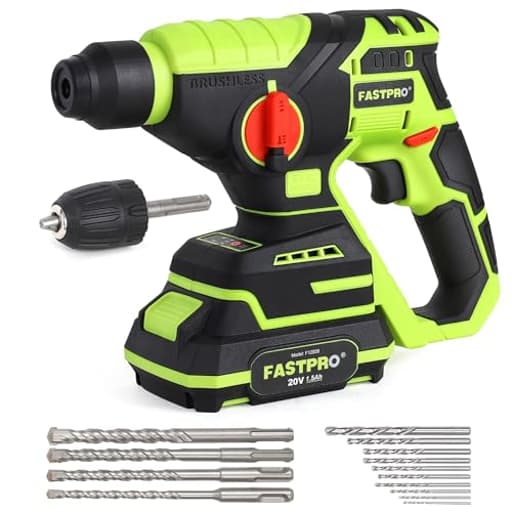
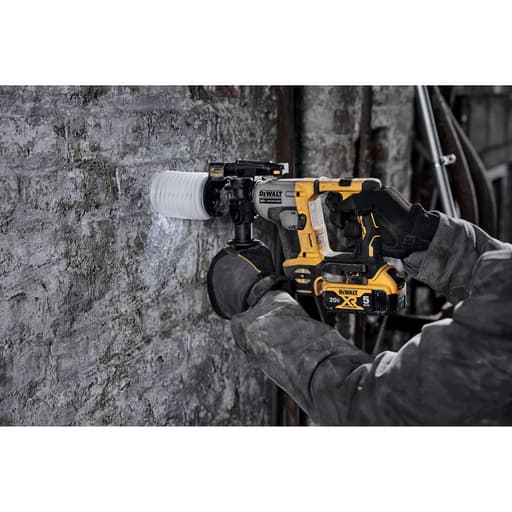
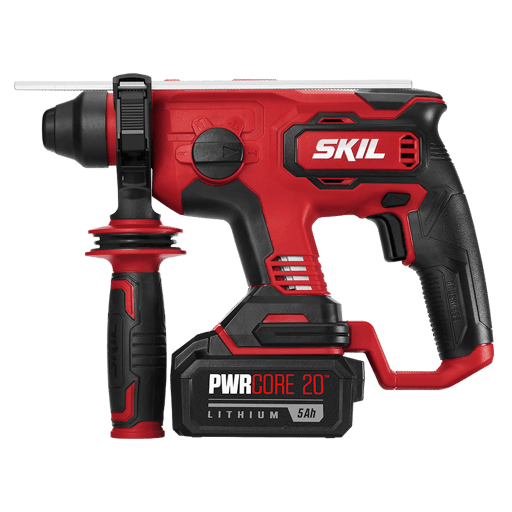
Cordless rotary hammer drills offer jobsite mobility and quick setup, with 18V, 20V, and 36V platforms delivering impressive power and runtime. Brushless motors improve efficiency and reduce maintenance. Corded models provide continuous output for all-day drilling and chiseling. For cleaner work, pair your tool with dust extraction; many kits support OSHA Table 1 compliance with integrated shrouds and HEPA vacuums.
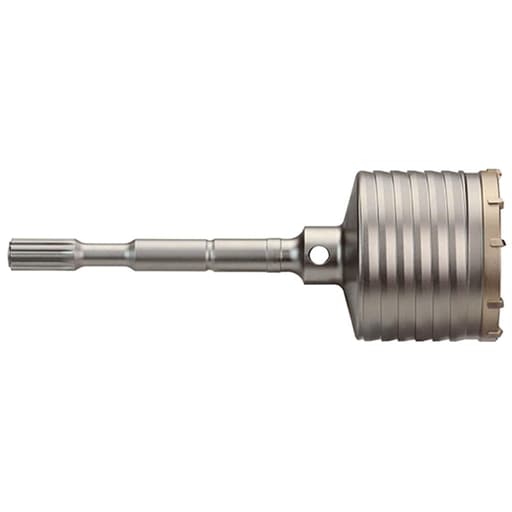
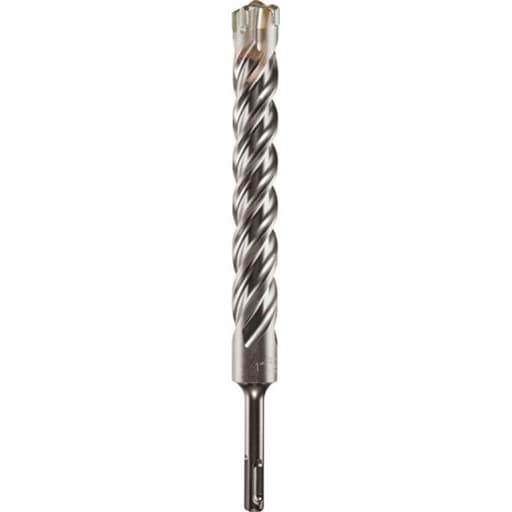
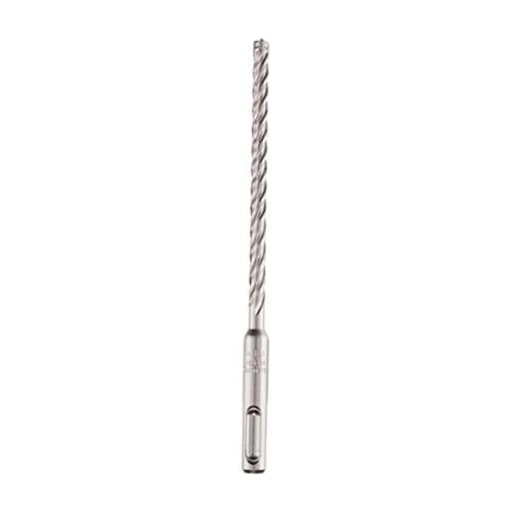
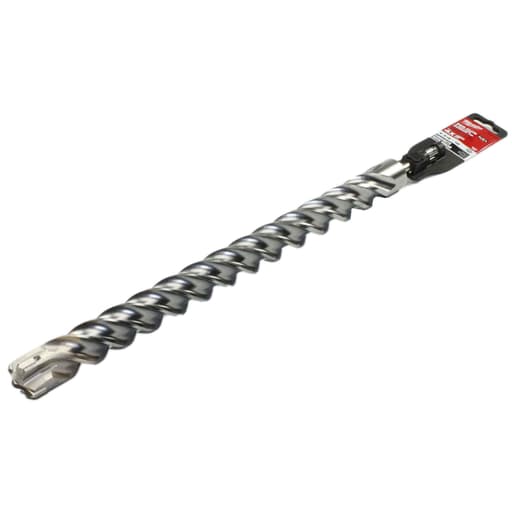
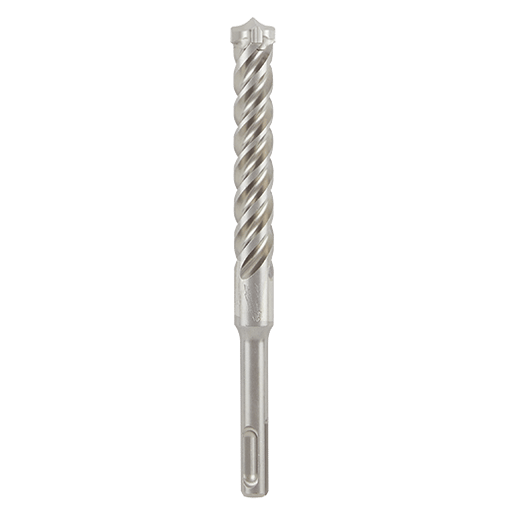
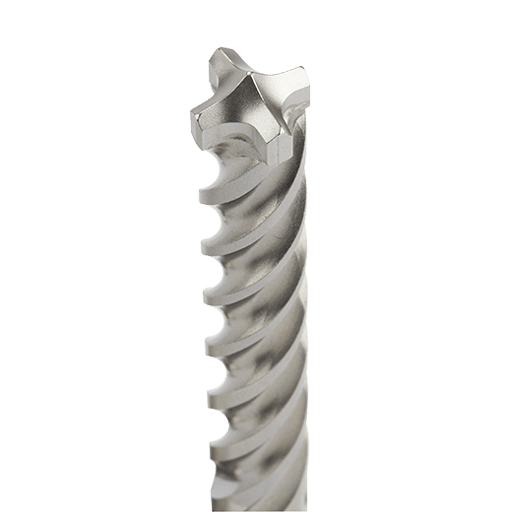
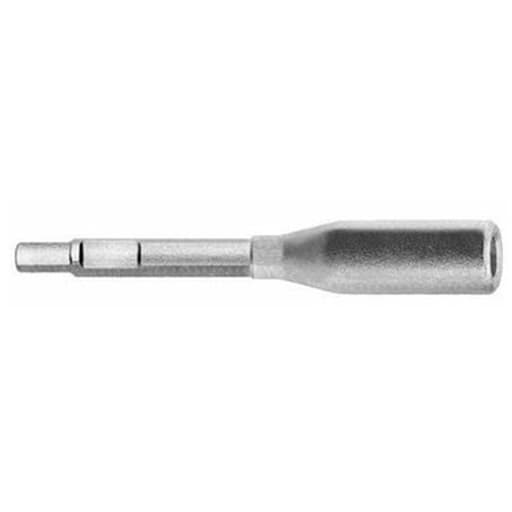
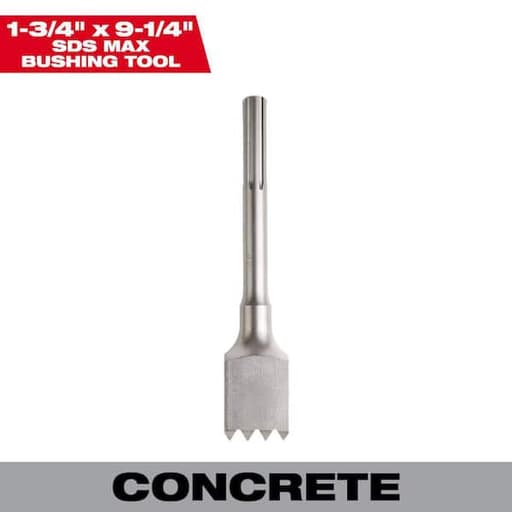
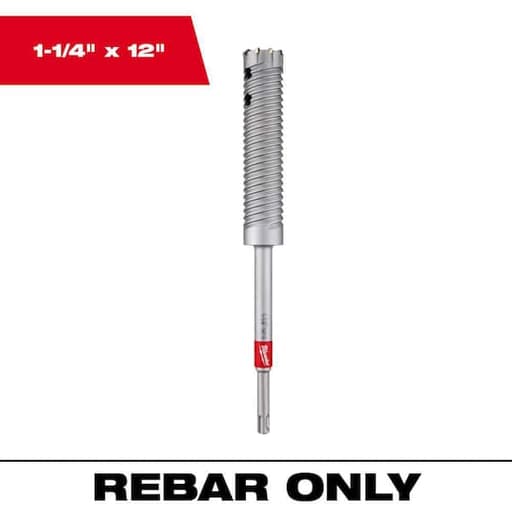
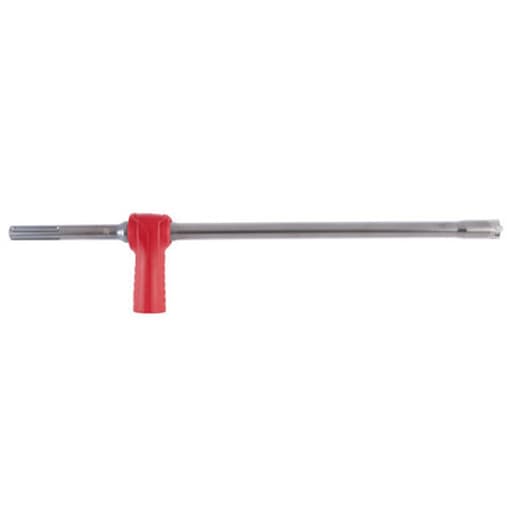
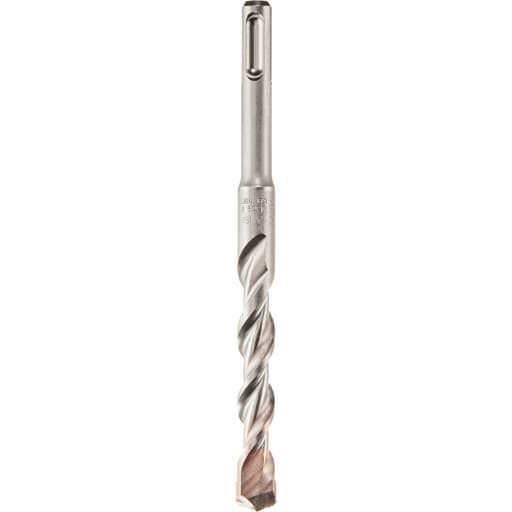
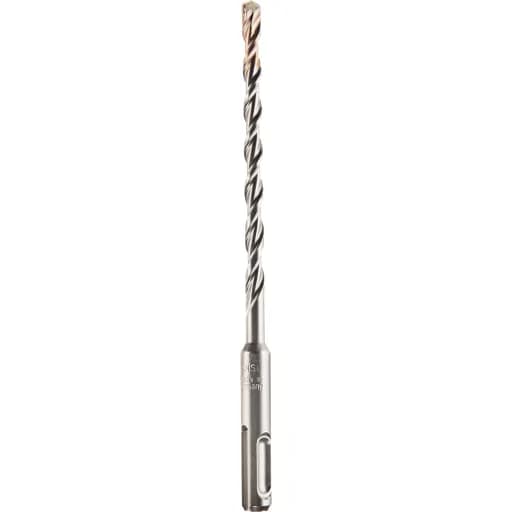
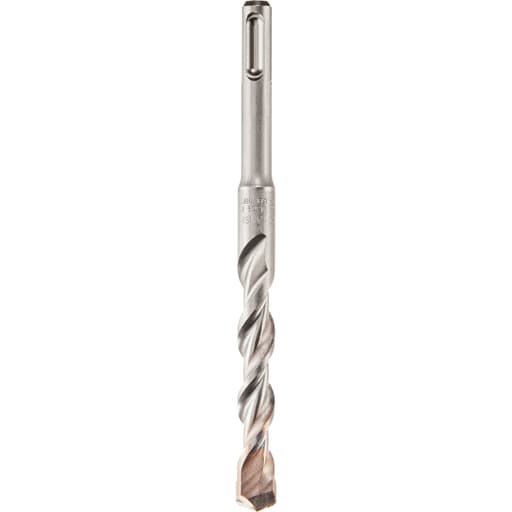
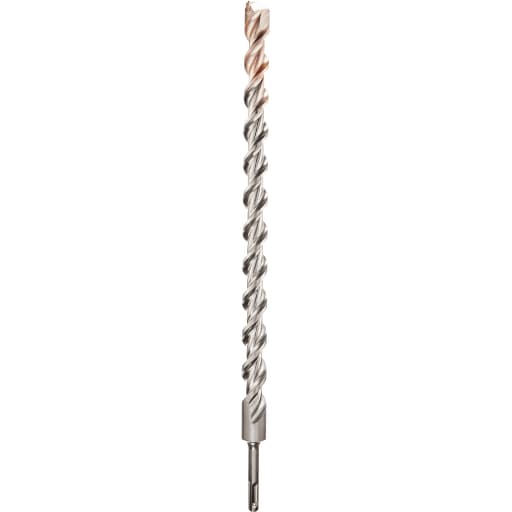
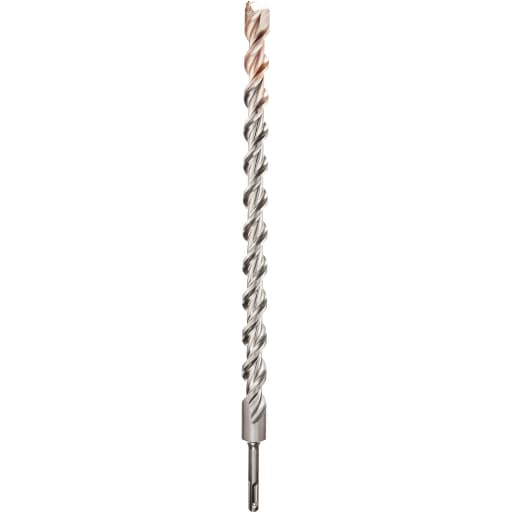
Use quality SDS masonry bits, core bits, and chisels sized to the task. Grease the bit shank lightly, clear holes with compressed air, and let the percussion do the work—minimal pressure prevents bit glazing and motor strain. Always wear eye, ear, and respiratory protection, and secure materials before drilling.
Whether you are setting anchors, doweling rebar, or breaking up concrete, a well-matched rotary hammer drill boosts productivity, accuracy, and comfort on the job. Choose weight, grip, and balance for long days.