- Building Supplies
- Electrical
- Smart Home, Security, Wi-Fi
- TV & Home Theater
- Extension Cords & Surge Protectors
- Electrical Wire & Cable
- Service Entrance Cables
- Primary Wire
- Sprinkler Wire
- Security Cables
- Armored Cable
- Power Cord
- Thermostat Wire
- Network & Data Cables
- XHHW Wire
- Specialty Wire & Cables
- Ground Wire
- Cable & Wire Holders
- Electrical Whips & Whip Kits
- Dual Armored Cable
- Non-Metallic Wire
- Landscape Lighting Cables & Connectors
- UF Wire
- TFFN & THHN Wire
- Speaker Wire
- Submersible Pump Cables
- Cable & Wire Connectors
- Wall Plates & Inserts
- Conduit & Conduit Fittings
- Generators
- Electronics
- Light Sockets & Adapters
- Electrical Outlets & Plugs
- Electrical Testers & Tools
- Batteries
- Fire Safety
- Light Switches & Dimmers
- Electrical Boxes & Covers
- Solar Power
- Doorbells
- Power Distribution & Circuit Protection
- Electrical Tape
- Lawn & Garden
- Garden Hoses & Accessories
- Landscaping & Hardscaping
- Outdoor Tools & Equipment
- Snow Blowers, Parts & Accessories
- Lawn & Garden Hand Tools
- Chainsaws & Pole Saws
- Spreaders & Sprayers
- Power Equipment Combo Kits
- Trimmers & Edgers
- Power Equipment Parts
- Lawn Aerators
- Engine Oil
- Wheelbarrows & Yard Carts
- Pressure Washers
- Snow Plows & Accessories
- Leaf Blowers
- Log Splitters
- Tillers & Cultivators
- Mulchers & Wood Chippers
- Axes & Mauls
- Power Equipment Fuel
- Garden Decor
- Outdoor Fountains
- Ponds
- Weathervanes
- Bird & Wildlife
- Garden Bridges
- Garden Arbors & Trellises
- Garden Fencing
- Well Pump Covers
- Garden Stakes & Shepherds Hooks
- Flags & Banners
- Outdoor Decorative Lanterns
- Garden Statues & Sculptures
- Outdoor Torches & Candles
- Thermometers, Clocks & Gauges
- Garden Stools
- Wind Chimes & Twisters
- Insect & Pest Control
- Pots & Planters
- Grills & Outdoor Cooking
- Irrigation & Outdoor Drainage
- Lawn Mowers
- Plant Care
- Storage & Organization
- Plumbing
- Water Heater Parts & Accessories
- Pipe & Fittings
- CPVC Pipe & Fittings
- Push to Connect Fittings
- Polyethylene Pipe, Fittings & Accessories
- Pipe Support & Clamps
- PEX Pipe, Fittings & Specialty Tools
- Tubing & Hoses
- Sewage Pipe & Fittings
- Structural Pipe & Fittings
- ABS DWV Pipe & Fittings
- Copper Pipe & Fittings
- CSST Pipe & Fittings
- Galvanized Pipe & Fittings
- Brass Fittings
- Pipe Insulation
- Black Pipe & Fittings
- PVC DWV Pipe & Fittings
- PVC Pipe & Fittings
- Water Filtration & Water Softeners
- Supply Lines
- Utility Sinks & Faucets
- Water Pumps & Tanks
- Valves & Valve Repair
- Water Heaters
- Plumbing Parts & Repair
- Augers, Plungers & Drain Openers
- Plumbing Tools & Cements
- Tools
- Air Tools & Compressors
- Hand Tools
- Clamps & Vises
- Hand Saws & Blades
- Taps & Dies
- Cutting & Crimping Tools
- Staple Guns & Riveters
- Multi-Tools
- Pliers & Plier Sets
- Punches & Knockout Punch Sets
- Sockets & Socket Adapters
- Maintenance Tools
- Powder Actuated Tools & Fasteners
- Ratchets & Breaker Bars
- Chisels & Pry Bars
- Mechanics Tool Sets
- Household Tool Sets
- Nut Drivers & Keys
- Files & Planes
- Grease Guns & Fittings
- Wrenches & Wrench Sets
- Hammers
- Screwdrivers
- Levels & Measuring Tools
- Drills & Drivers
- Clothing
- Ladders & Scaffolding
- Power Tools
- Safety
- Tool Storage & Work Benches
- Shop Vacuums & Accessories
- Flashlights
- Welding & Soldering
- Jobsite Radios
- Paint
- Heating & Cooling
- Furnaces & Furnace Accessories
- HVAC Duct & Fittings
- Registers & Grilles
- Thermostats
- Fireplaces & Stoves
- Humidifiers & Dehumidifiers
- Air Conditioners & Fans
- Through Wall Fans
- Whole House Fan Shutters
- Ductless Mini Splits
- Blower Fans
- Portable Air Conditioners
- Evaporative Coolers
- Evaporative Cooler Accessories
- Whole House Fans
- Window Air Conditioners
- Wall Air Conditioners
- Wall Mounted Fans
- Central Air Conditioners
- Air Conditioner Parts & Accessories
- Portable Fans
- Whole House Fan Timers
- Air Filters & Accessories
- Air Purifiers & Accessories
- Portable & Space Heaters
- HVAC Components
- Heat Pumps
- Underfloor Heating
- Heating Fuel Tanks
- Radiator Covers
- Boilers
- Cleaning Supplies
- Hardware
- Cabinet Hardware
- Door Hardware
- Door Latch Hardware
- Door Security
- Closet Door Hardware
- Door Jamb Security & Repair Kits
- Pocket Door Hardware
- Screen & Storm Door Hardware
- Door Knockers
- Deadbolts
- Barn Door Hardware
- Door Sweeps
- Bathtub & Shower Door Hardware
- Sliding Patio Door Hardware
- Screen & Storm Door Handles
- Door Closers
- Door Handles
- Door Knobs
- Door Hinges
- Electronic Door Locks
- Door Kick Plates
- Door Stops
- Handlesets
- Picture Hangers
- Window Hardware
- Metal Rods, Shapes & Sheets
- Specialty Hardware
- Safes
- Furniture Hardware
- Fasteners
- Chains, Ropes & Tie-Downs
- Signs, Letters & Numbers
- Keys & Key Safes
- Locks
- Hooks
- Marine Hardware
- Automotive
- Lighting
- Flooring
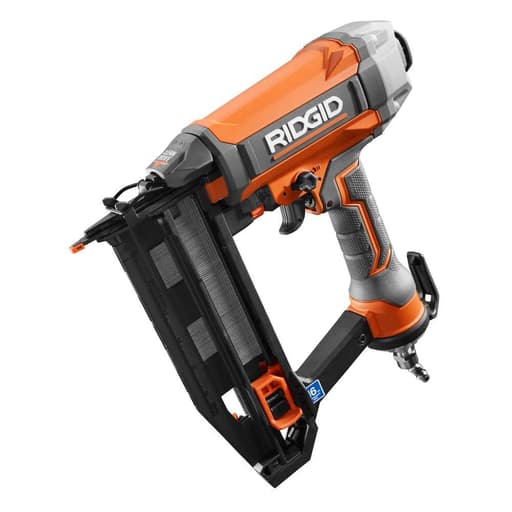
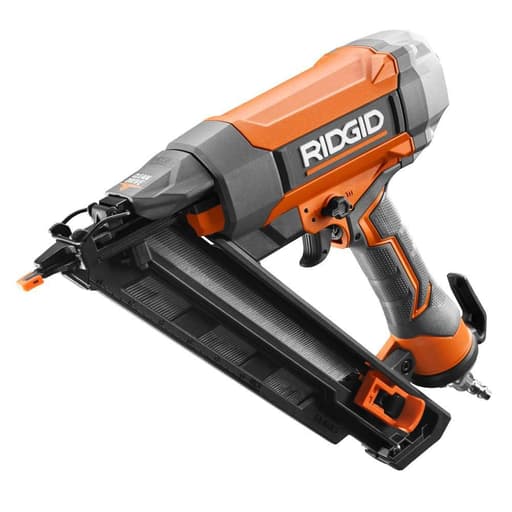
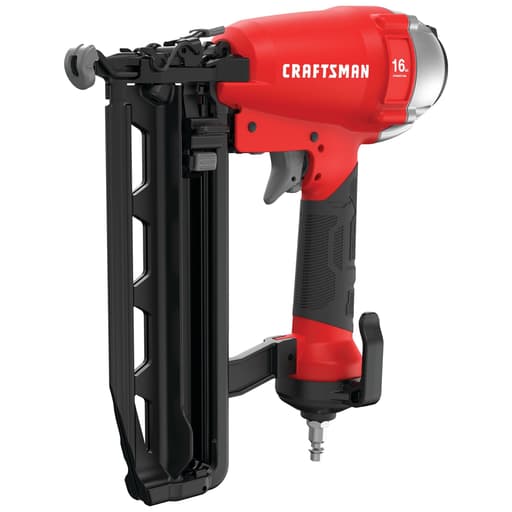
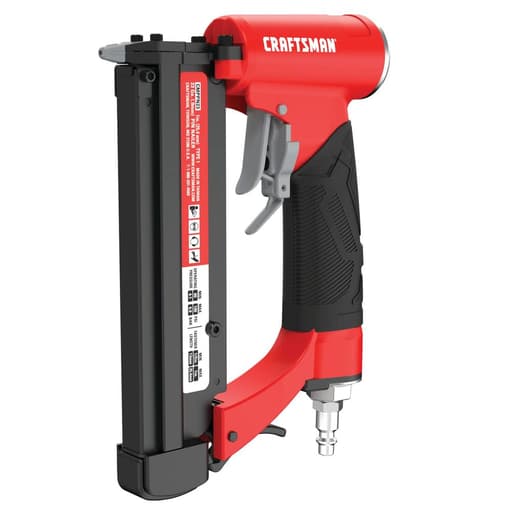
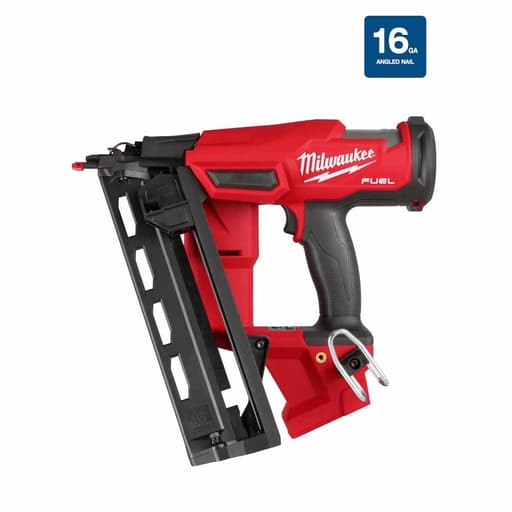
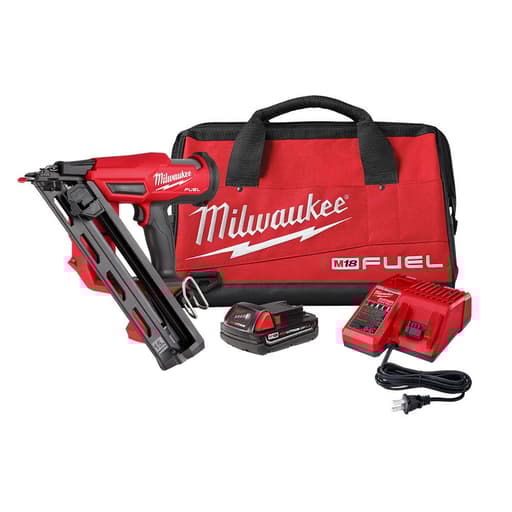
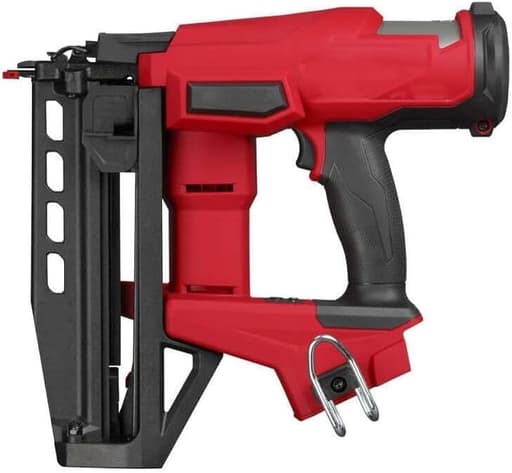
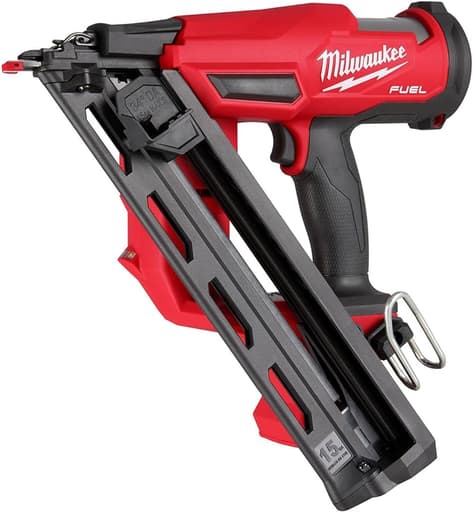
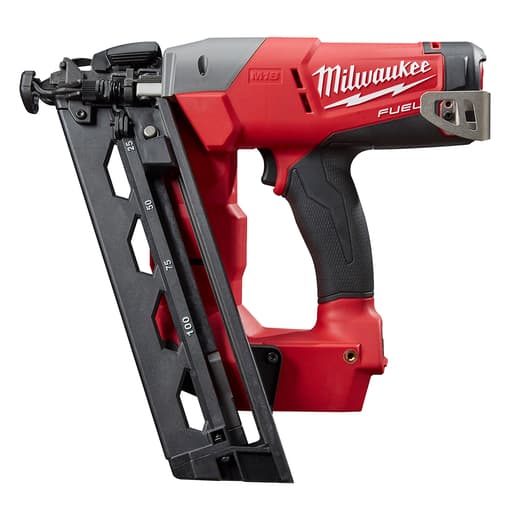
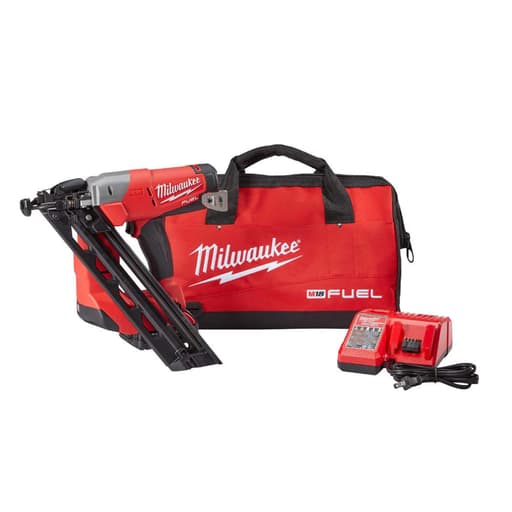
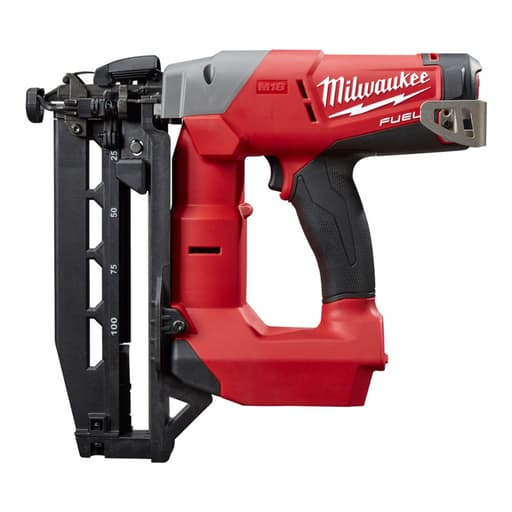
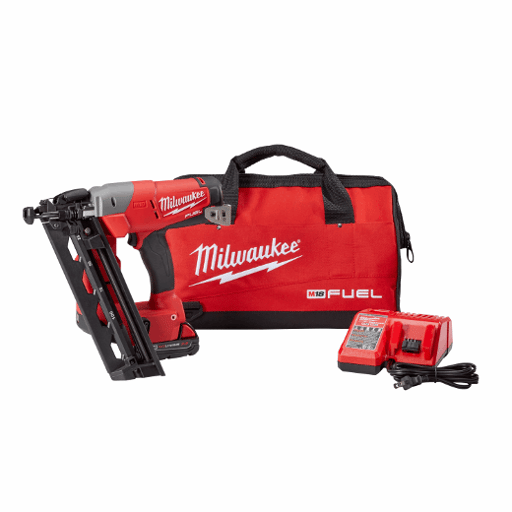
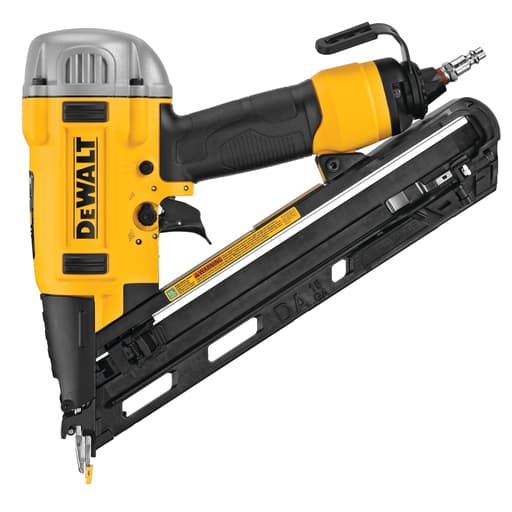
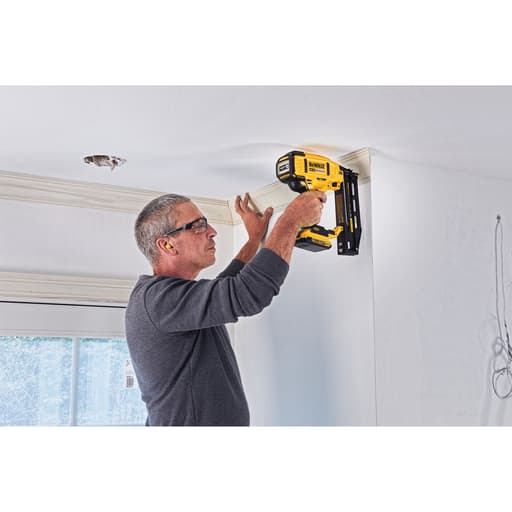
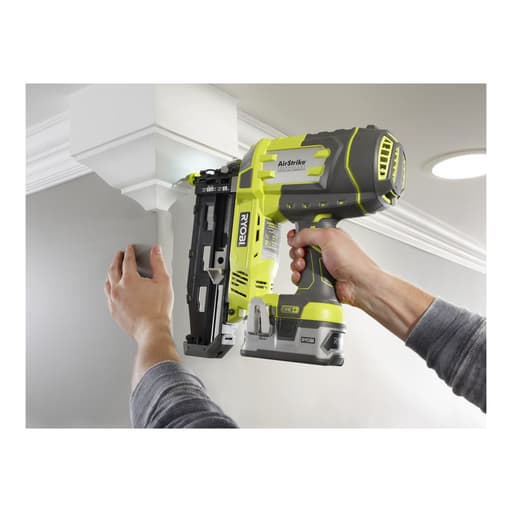
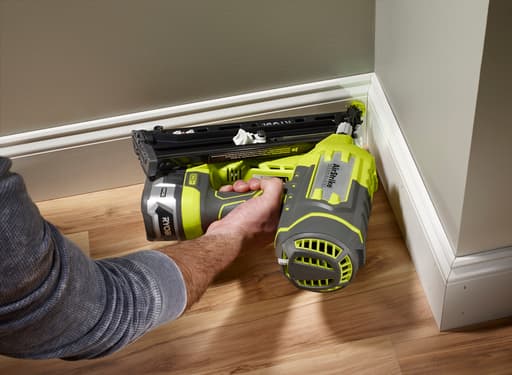
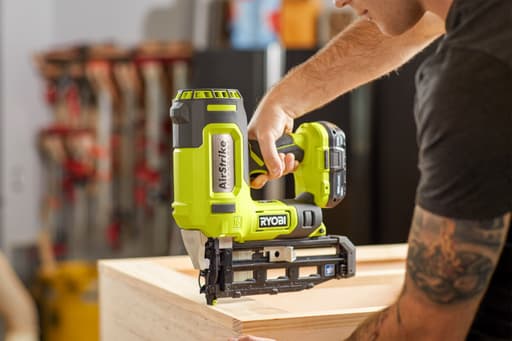
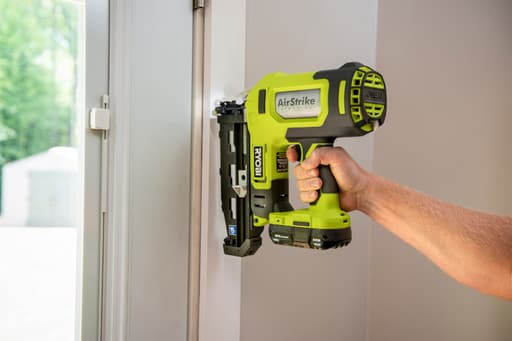
Finish nailers deliver clean, professional fastening for trim, baseboards, crown molding, door casings, and cabinet installs. Using collated finish nails, they leave small holes that fill easily and hold stronger than brads, reducing callbacks and touch-ups. A pneumatic finish nailer powered by an air compressor drives nails consistently, prevents splitting in delicate stock, and speeds production on site or in the shop.
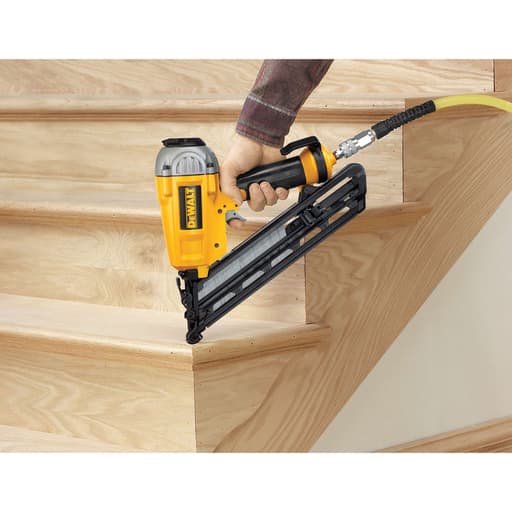
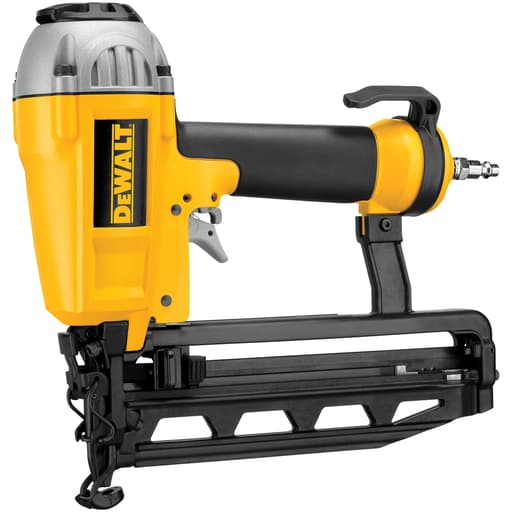
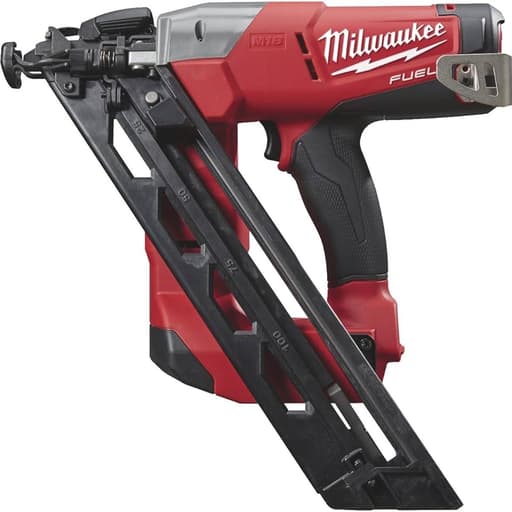
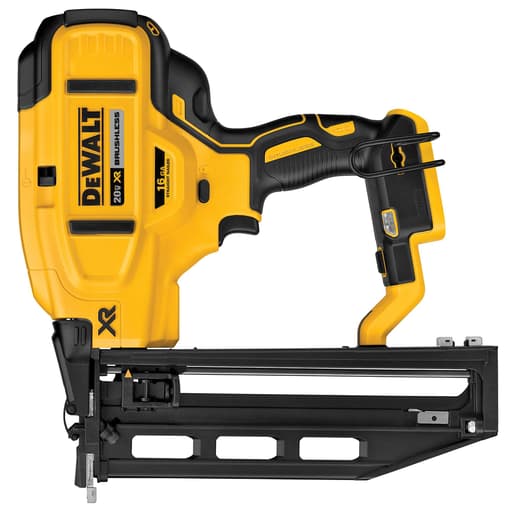
Choose between 15-gauge and 16-gauge models. A 15-gauge finish nailer, often with an angled magazine, excels at thicker trim and tight corners. A 16-gauge model is lighter and great for casings, chair rail, and general finishing. Most shoot 1-1/4 in. to 2-1/2 in. nails. Look for tool-free depth adjustment, a no-mar tip, tool-free jam release, adjustable exhaust, and selectable sequential or bump fire. Straight or angled magazines improve access; angled nailers fit stairwells and inside corners, while straight versions simplify line-of-sight on flat runs.
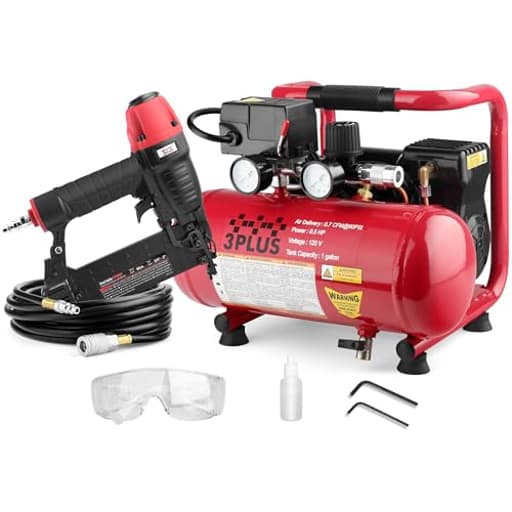
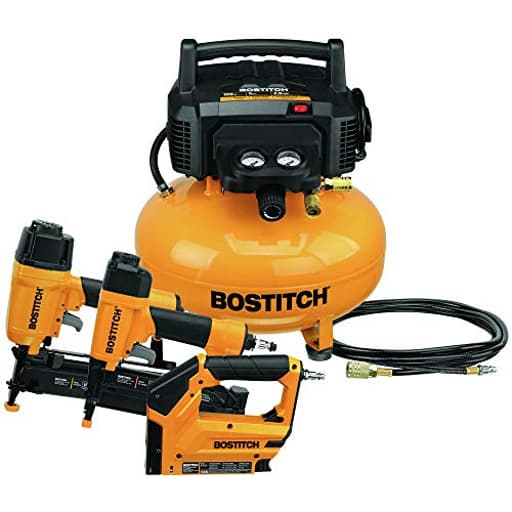
For reliable performance, pair the tool with a properly sized air compressor. Many finish nail guns run at 70–120 PSI and need modest CFM; a quiet, oil-free compressor with a regulator, quality hose, and quick-connects keeps airflow steady. Add a filter or moisture trap to protect internal seals. A few drops of pneumatic tool oil before use, keeping fasteners dry, and draining the tank daily will extend service life.
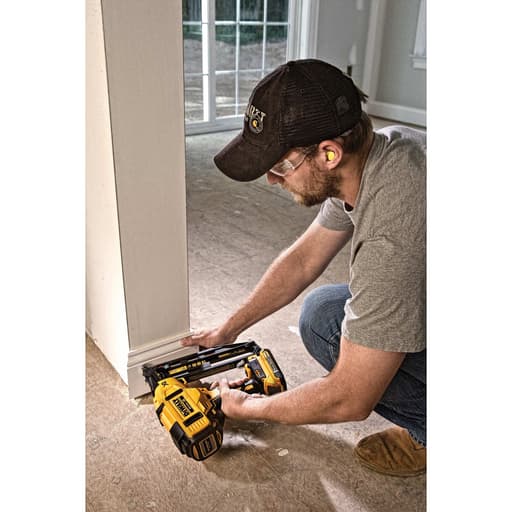
Safety and workflow matter. Wear eye protection, keep hands clear of the firing line, and test depth on scrap to fine-tune PSI and countersink. Use adhesive on long runs for extra hold and let the nailer clamp joints tight. If you need smaller holes in thin trim, step to a brad nailer; for structural work, use a framing nailer. Browse finish nailers, collated nails, hoses, and compressors to build a trim setup that boosts speed, accuracy, and jobsite quality. Compare weight, balance, and trigger feel.