- Building Supplies
- Electrical
- Smart Home, Security, Wi-Fi
- TV & Home Theater
- Extension Cords & Surge Protectors
- Electrical Wire & Cable
- Service Entrance Cables
- Primary Wire
- Sprinkler Wire
- Security Cables
- Armored Cable
- Power Cord
- Thermostat Wire
- Network & Data Cables
- XHHW Wire
- Specialty Wire & Cables
- Ground Wire
- Cable & Wire Holders
- Electrical Whips & Whip Kits
- Dual Armored Cable
- Non-Metallic Wire
- Landscape Lighting Cables & Connectors
- UF Wire
- TFFN & THHN Wire
- Speaker Wire
- Submersible Pump Cables
- Cable & Wire Connectors
- Wall Plates & Inserts
- Conduit & Conduit Fittings
- Generators
- Electronics
- Light Sockets & Adapters
- Electrical Outlets & Plugs
- Electrical Testers & Tools
- Batteries
- Fire Safety
- Light Switches & Dimmers
- Electrical Boxes & Covers
- Solar Power
- Doorbells
- Power Distribution & Circuit Protection
- Electrical Tape
- Lawn & Garden
- Garden Hoses & Accessories
- Landscaping & Hardscaping
- Outdoor Tools & Equipment
- Snow Blowers, Parts & Accessories
- Lawn & Garden Hand Tools
- Chainsaws & Pole Saws
- Spreaders & Sprayers
- Power Equipment Combo Kits
- Trimmers & Edgers
- Power Equipment Parts
- Lawn Aerators
- Engine Oil
- Wheelbarrows & Yard Carts
- Pressure Washers
- Snow Plows & Accessories
- Leaf Blowers
- Log Splitters
- Tillers & Cultivators
- Mulchers & Wood Chippers
- Axes & Mauls
- Power Equipment Fuel
- Garden Decor
- Outdoor Fountains
- Ponds
- Weathervanes
- Bird & Wildlife
- Garden Bridges
- Garden Arbors & Trellises
- Garden Fencing
- Well Pump Covers
- Garden Stakes & Shepherds Hooks
- Flags & Banners
- Outdoor Decorative Lanterns
- Garden Statues & Sculptures
- Outdoor Torches & Candles
- Thermometers, Clocks & Gauges
- Garden Stools
- Wind Chimes & Twisters
- Insect & Pest Control
- Pots & Planters
- Grills & Outdoor Cooking
- Irrigation & Outdoor Drainage
- Lawn Mowers
- Plant Care
- Storage & Organization
- Plumbing
- Water Heater Parts & Accessories
- Pipe & Fittings
- CPVC Pipe & Fittings
- Push to Connect Fittings
- Polyethylene Pipe, Fittings & Accessories
- Pipe Support & Clamps
- PEX Pipe, Fittings & Specialty Tools
- Tubing & Hoses
- Sewage Pipe & Fittings
- Structural Pipe & Fittings
- ABS DWV Pipe & Fittings
- Copper Pipe & Fittings
- CSST Pipe & Fittings
- Galvanized Pipe & Fittings
- Brass Fittings
- Pipe Insulation
- Black Pipe & Fittings
- PVC DWV Pipe & Fittings
- PVC Pipe & Fittings
- Water Filtration & Water Softeners
- Supply Lines
- Utility Sinks & Faucets
- Water Pumps & Tanks
- Valves & Valve Repair
- Water Heaters
- Plumbing Parts & Repair
- Augers, Plungers & Drain Openers
- Plumbing Tools & Cements
- Tools
- Air Tools & Compressors
- Hand Tools
- Clamps & Vises
- Hand Saws & Blades
- Taps & Dies
- Cutting & Crimping Tools
- Staple Guns & Riveters
- Multi-Tools
- Pliers & Plier Sets
- Punches & Knockout Punch Sets
- Sockets & Socket Adapters
- Maintenance Tools
- Powder Actuated Tools & Fasteners
- Ratchets & Breaker Bars
- Chisels & Pry Bars
- Mechanics Tool Sets
- Household Tool Sets
- Nut Drivers & Keys
- Files & Planes
- Grease Guns & Fittings
- Wrenches & Wrench Sets
- Hammers
- Screwdrivers
- Levels & Measuring Tools
- Drills & Drivers
- Clothing
- Ladders & Scaffolding
- Power Tools
- Safety
- Tool Storage & Work Benches
- Shop Vacuums & Accessories
- Flashlights
- Welding & Soldering
- Jobsite Radios
- Paint
- Heating & Cooling
- Furnaces & Furnace Accessories
- HVAC Duct & Fittings
- Registers & Grilles
- Thermostats
- Fireplaces & Stoves
- Humidifiers & Dehumidifiers
- Air Conditioners & Fans
- Through Wall Fans
- Whole House Fan Shutters
- Ductless Mini Splits
- Blower Fans
- Portable Air Conditioners
- Evaporative Coolers
- Evaporative Cooler Accessories
- Whole House Fans
- Window Air Conditioners
- Wall Air Conditioners
- Wall Mounted Fans
- Central Air Conditioners
- Air Conditioner Parts & Accessories
- Portable Fans
- Whole House Fan Timers
- Air Filters & Accessories
- Air Purifiers & Accessories
- Portable & Space Heaters
- HVAC Components
- Heat Pumps
- Underfloor Heating
- Heating Fuel Tanks
- Radiator Covers
- Boilers
- Cleaning Supplies
- Hardware
- Cabinet Hardware
- Door Hardware
- Door Latch Hardware
- Door Security
- Closet Door Hardware
- Door Jamb Security & Repair Kits
- Pocket Door Hardware
- Screen & Storm Door Hardware
- Door Knockers
- Deadbolts
- Barn Door Hardware
- Door Sweeps
- Bathtub & Shower Door Hardware
- Sliding Patio Door Hardware
- Screen & Storm Door Handles
- Door Closers
- Door Handles
- Door Knobs
- Door Hinges
- Electronic Door Locks
- Door Kick Plates
- Door Stops
- Handlesets
- Picture Hangers
- Window Hardware
- Metal Rods, Shapes & Sheets
- Specialty Hardware
- Safes
- Furniture Hardware
- Fasteners
- Chains, Ropes & Tie-Downs
- Signs, Letters & Numbers
- Keys & Key Safes
- Locks
- Hooks
- Marine Hardware
- Automotive
- Lighting
- Flooring
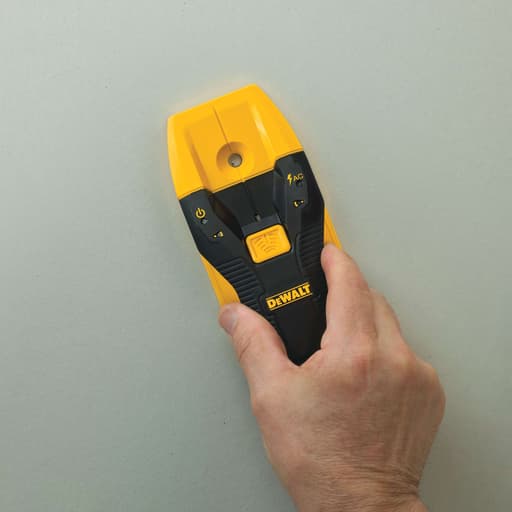
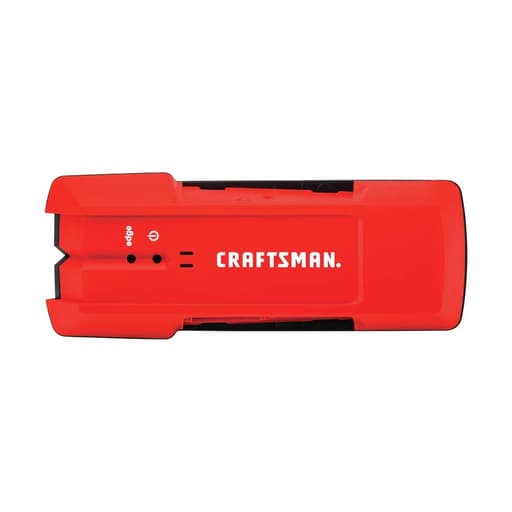
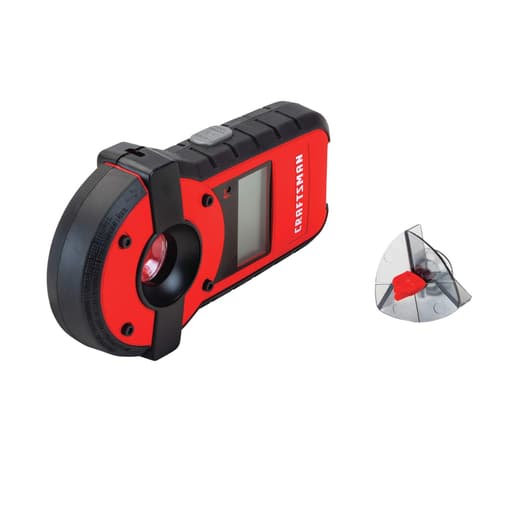
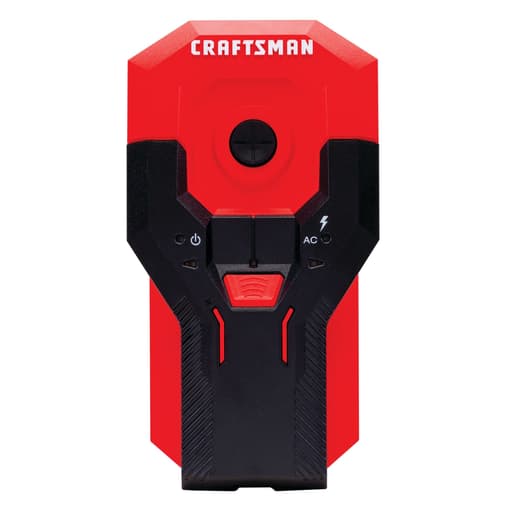
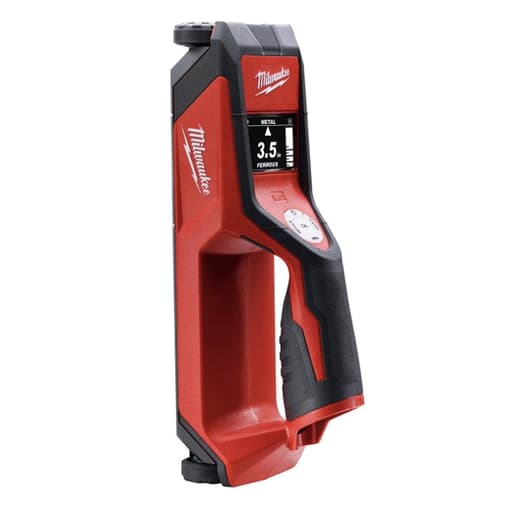
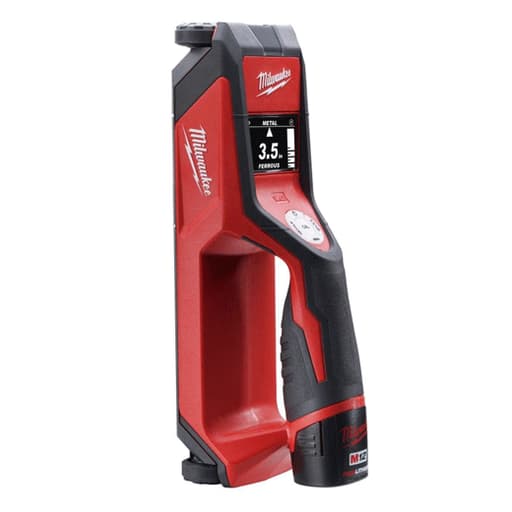
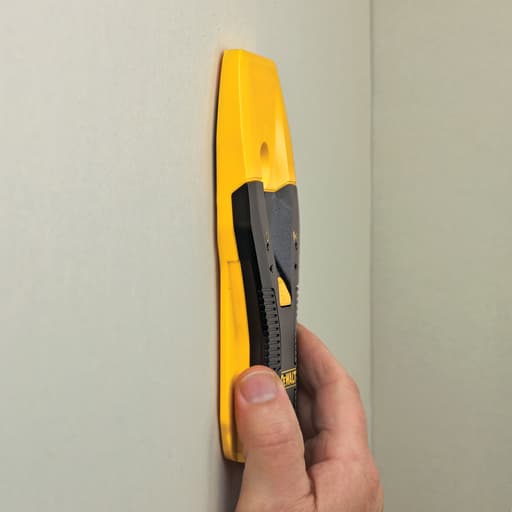
Stud finders help you locate wood or metal framing behind drywall, plaster, or tile so you can mount TVs, cabinets, shelves, and mirrors with confidence. By pinpointing studs, these wall scanners save time, prevent costly mistakes, and reduce the risk of hitting hidden wires or pipes. Whether you’re a DIYer hanging artwork or a contractor installing heavy fixtures, a quality stud sensor delivers faster layout, cleaner holes, and stronger anchors.
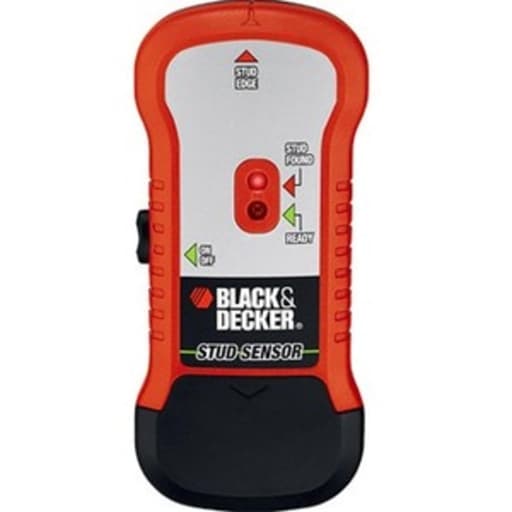
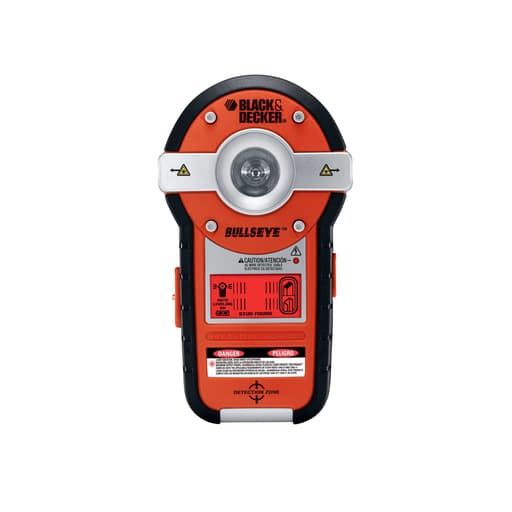
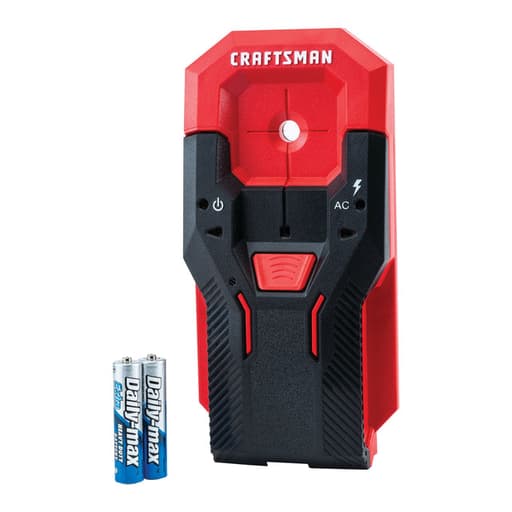
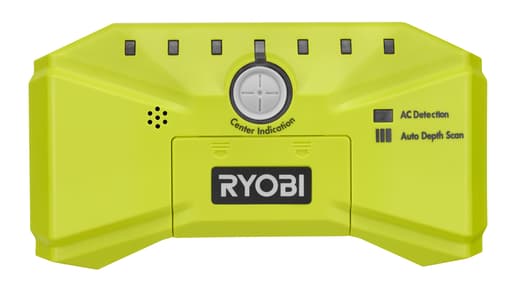
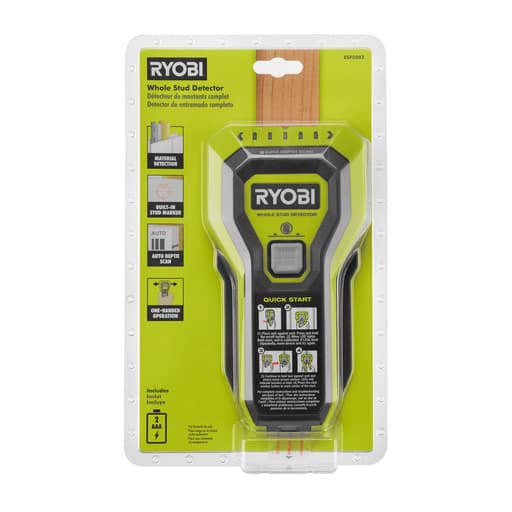
Two main types are common. Magnetic stud finders detect nails and screws in studs; they’re simple, battery-free, and great for quick checks. Electronic stud finders scan density changes in the wall to identify stud edges or centers, often adding deep-scan modes, live AC wire detection, and metal/pipe alerts. Look for features like center-finding algorithms, multi-surface calibration for drywall and lath-and-plaster, clear LCD displays, audio/visual indicators, and ergonomic grips for steady scanning.
Choose the right tool by matching it to your surfaces and tasks:
- Wall type: drywall, lath-and-plaster, tile over backer board, or concrete.
- Detection depth: standard (up to 3/4 in) vs deep scan (1.5 in or more).
- Safety: live wire detection and metal detection to avoid surprises.
- Usability: auto calibration, edge/center modes, backlit screens, and battery life.
- Connectivity: some models offer Bluetooth apps for mapping and saving stud locations.
Pro tips for better results: start on a clear section of wall and let the device auto-calibrate; move slowly in both directions to confirm edges, then mark the center; verify stud spacing (16 or 24 inches on center) to spot anomalies; cross-check with a small nail in an inconspicuous spot if needed; and always heed AC alerts. Keep a sharp pencil, fresh batteries, and blue tape on hand for clean markings.
Explore stud finders that deliver precise detection, fewer false positives, and confidence on every install. Perfect for pros and DIYers.