- Building Supplies
- Electrical
- Smart Home, Security, Wi-Fi
- TV & Home Theater
- Extension Cords & Surge Protectors
- Electrical Wire & Cable
- Service Entrance Cables
- Primary Wire
- Sprinkler Wire
- Security Cables
- Armored Cable
- Power Cord
- Thermostat Wire
- Network & Data Cables
- XHHW Wire
- Specialty Wire & Cables
- Ground Wire
- Cable & Wire Holders
- Electrical Whips & Whip Kits
- Dual Armored Cable
- Non-Metallic Wire
- Landscape Lighting Cables & Connectors
- UF Wire
- TFFN & THHN Wire
- Speaker Wire
- Submersible Pump Cables
- Cable & Wire Connectors
- Wall Plates & Inserts
- Conduit & Conduit Fittings
- Generators
- Electronics
- Light Sockets & Adapters
- Electrical Outlets & Plugs
- Electrical Testers & Tools
- Batteries
- Fire Safety
- Light Switches & Dimmers
- Electrical Boxes & Covers
- Solar Power
- Doorbells
- Power Distribution & Circuit Protection
- Electrical Tape
- Lawn & Garden
- Garden Hoses & Accessories
- Landscaping & Hardscaping
- Outdoor Tools & Equipment
- Snow Blowers, Parts & Accessories
- Lawn & Garden Hand Tools
- Chainsaws & Pole Saws
- Spreaders & Sprayers
- Power Equipment Combo Kits
- Trimmers & Edgers
- Power Equipment Parts
- Lawn Aerators
- Engine Oil
- Wheelbarrows & Yard Carts
- Pressure Washers
- Snow Plows & Accessories
- Leaf Blowers
- Log Splitters
- Tillers & Cultivators
- Mulchers & Wood Chippers
- Axes & Mauls
- Power Equipment Fuel
- Garden Decor
- Outdoor Fountains
- Ponds
- Weathervanes
- Bird & Wildlife
- Garden Bridges
- Garden Arbors & Trellises
- Garden Fencing
- Well Pump Covers
- Garden Stakes & Shepherds Hooks
- Flags & Banners
- Outdoor Decorative Lanterns
- Garden Statues & Sculptures
- Outdoor Torches & Candles
- Thermometers, Clocks & Gauges
- Garden Stools
- Wind Chimes & Twisters
- Insect & Pest Control
- Pots & Planters
- Grills & Outdoor Cooking
- Irrigation & Outdoor Drainage
- Lawn Mowers
- Plant Care
- Storage & Organization
- Plumbing
- Water Heater Parts & Accessories
- Pipe & Fittings
- CPVC Pipe & Fittings
- Push to Connect Fittings
- Polyethylene Pipe, Fittings & Accessories
- Pipe Support & Clamps
- PEX Pipe, Fittings & Specialty Tools
- Tubing & Hoses
- Sewage Pipe & Fittings
- Structural Pipe & Fittings
- ABS DWV Pipe & Fittings
- Copper Pipe & Fittings
- CSST Pipe & Fittings
- Galvanized Pipe & Fittings
- Brass Fittings
- Pipe Insulation
- Black Pipe & Fittings
- PVC DWV Pipe & Fittings
- PVC Pipe & Fittings
- Water Filtration & Water Softeners
- Supply Lines
- Utility Sinks & Faucets
- Water Pumps & Tanks
- Valves & Valve Repair
- Water Heaters
- Plumbing Parts & Repair
- Augers, Plungers & Drain Openers
- Plumbing Tools & Cements
- Tools
- Air Tools & Compressors
- Hand Tools
- Clamps & Vises
- Hand Saws & Blades
- Taps & Dies
- Cutting & Crimping Tools
- Staple Guns & Riveters
- Multi-Tools
- Pliers & Plier Sets
- Punches & Knockout Punch Sets
- Sockets & Socket Adapters
- Maintenance Tools
- Powder Actuated Tools & Fasteners
- Ratchets & Breaker Bars
- Chisels & Pry Bars
- Mechanics Tool Sets
- Household Tool Sets
- Nut Drivers & Keys
- Files & Planes
- Grease Guns & Fittings
- Wrenches & Wrench Sets
- Hammers
- Screwdrivers
- Levels & Measuring Tools
- Drills & Drivers
- Clothing
- Ladders & Scaffolding
- Power Tools
- Safety
- Tool Storage & Work Benches
- Shop Vacuums & Accessories
- Flashlights
- Welding & Soldering
- Jobsite Radios
- Paint
- Heating & Cooling
- Furnaces & Furnace Accessories
- HVAC Duct & Fittings
- Registers & Grilles
- Thermostats
- Fireplaces & Stoves
- Humidifiers & Dehumidifiers
- Air Conditioners & Fans
- Through Wall Fans
- Whole House Fan Shutters
- Ductless Mini Splits
- Blower Fans
- Portable Air Conditioners
- Evaporative Coolers
- Evaporative Cooler Accessories
- Whole House Fans
- Window Air Conditioners
- Wall Air Conditioners
- Wall Mounted Fans
- Central Air Conditioners
- Air Conditioner Parts & Accessories
- Portable Fans
- Whole House Fan Timers
- Air Filters & Accessories
- Air Purifiers & Accessories
- Portable & Space Heaters
- HVAC Components
- Heat Pumps
- Underfloor Heating
- Heating Fuel Tanks
- Radiator Covers
- Boilers
- Cleaning Supplies
- Hardware
- Cabinet Hardware
- Door Hardware
- Door Latch Hardware
- Door Security
- Closet Door Hardware
- Door Jamb Security & Repair Kits
- Pocket Door Hardware
- Screen & Storm Door Hardware
- Door Knockers
- Deadbolts
- Barn Door Hardware
- Door Sweeps
- Bathtub & Shower Door Hardware
- Sliding Patio Door Hardware
- Screen & Storm Door Handles
- Door Closers
- Door Handles
- Door Knobs
- Door Hinges
- Electronic Door Locks
- Door Kick Plates
- Door Stops
- Handlesets
- Picture Hangers
- Window Hardware
- Metal Rods, Shapes & Sheets
- Specialty Hardware
- Safes
- Furniture Hardware
- Fasteners
- Chains, Ropes & Tie-Downs
- Signs, Letters & Numbers
- Keys & Key Safes
- Locks
- Hooks
- Marine Hardware
- Automotive
- Lighting
- Flooring
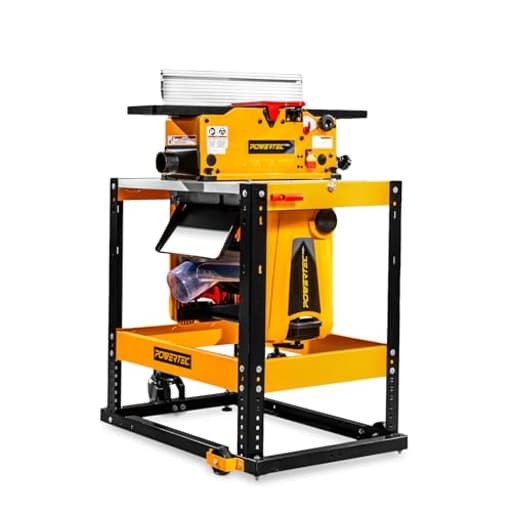
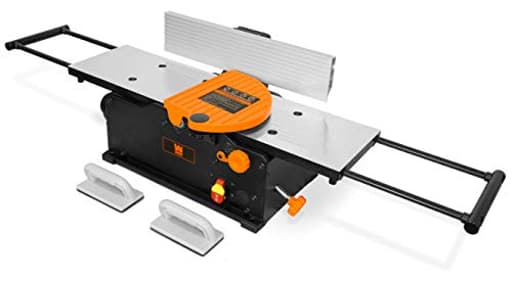
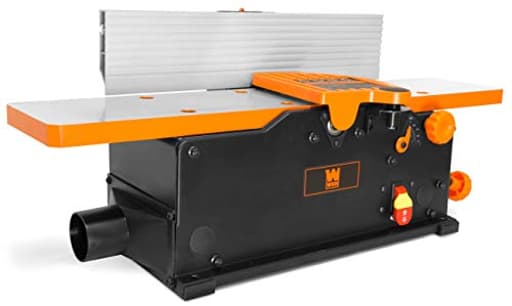
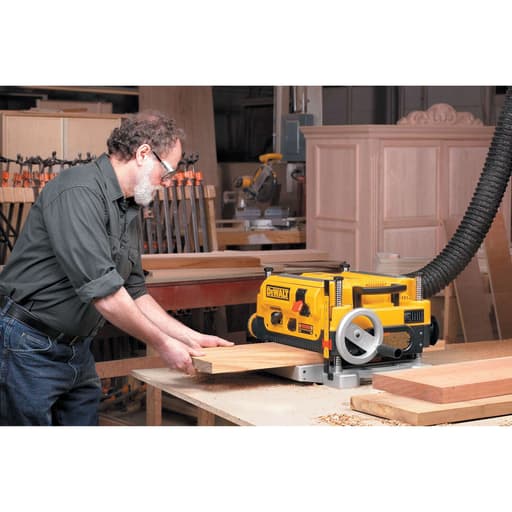
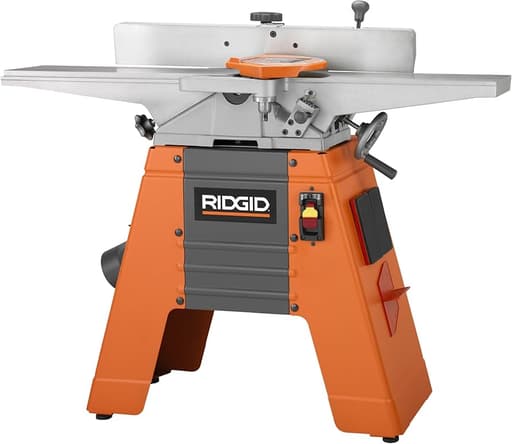
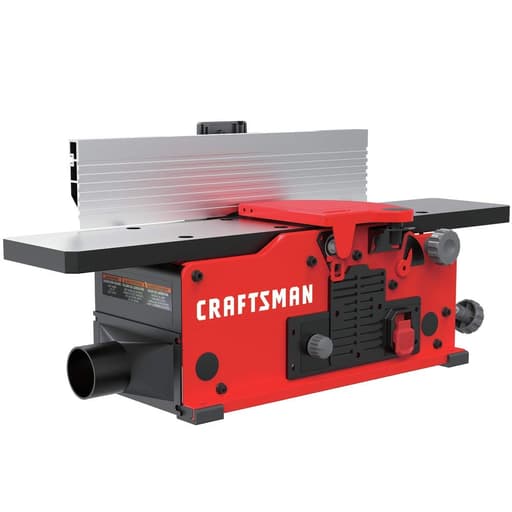
Jointers and planers turn rough, cupped, or twisted boards into flat, straight, consistent stock that’s ready for precise joinery and finishing. By milling your own lumber, you improve glue-ups, speed assembly, and save money versus buying pre-surfaced material. A jointer creates a flat reference face and a square edge; a planer then makes the opposite face parallel at a target thickness. Used together, these woodworking power tools deliver accurate panels, joints, and a ready-to-finish surface.
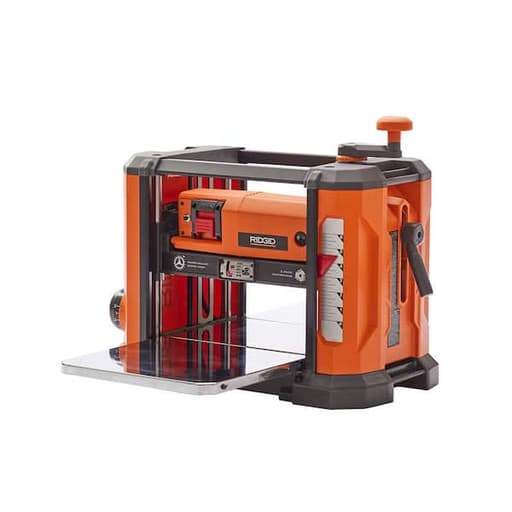
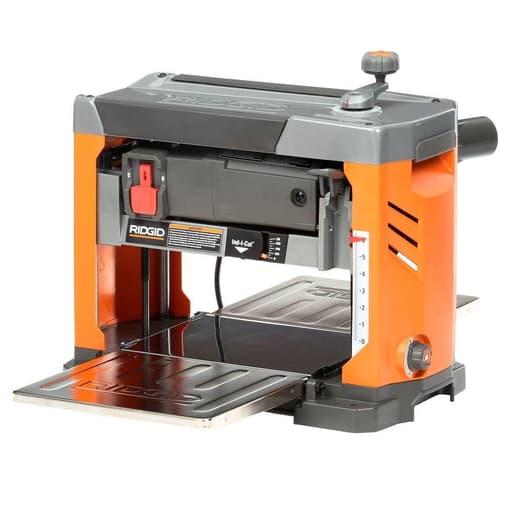
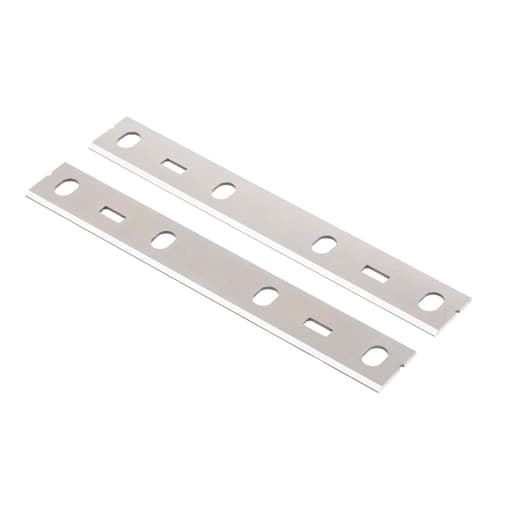
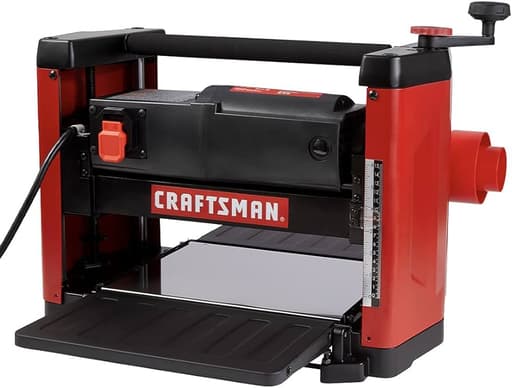
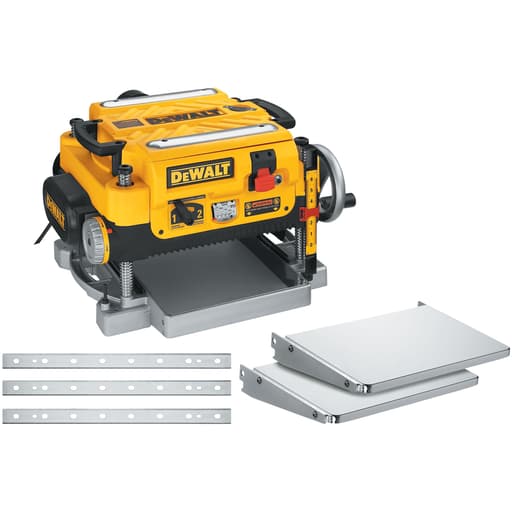
Key features to compare include cutterhead type (straight knives vs. helical or spiral), width capacity, bed length, fence quality, feed rate, and dust collection. Helical cutterheads with carbide inserts reduce tear-out, run quieter, and offer easy indexing when edges dull. Benchtop thickness planers suit small shops and jobsite work, while stationary jointers and planers provide greater capacity and stability. If space is tight, a jointer planer combo gives one footprint with two functions and consistent setup.
Power and precision matter. Look for a flat, coplanar table set, a rigid fence that locks square, and an outfeed table aligned to knife height. Motor power from 1 to 3 HP covers most needs; two-speed feed on a planer lets you choose between speed and finish quality. Consider 6–8 inch jointers for home shops and 12–20 inch planers for furniture work. Add infeed/outfeed support, push blocks, mobile bases, and a capable dust collector.
For best results, joint one face and one edge first, then plane the board to final thickness with light passes of 1/32–1/16 inch, feeding with the grain. To reduce snipe, use sacrificial lead and tail boards, keep rollers clean, and support long workpieces. Wax the tables for smoother feeding and check alignment periodically. Always use push blocks, eye and ear protection, and proper dust masks. Shop popular jointers, thickness planers, blades, and accessories with confidence.