
Features
- Four dedicated heads: 3/8" chuck, offset driver, 1/4" hex, and right-angle
- 16 attachment positions
- Inline grip for improved control
- Magnetic bit holder for multiple bits
- Compact size for maneuverability
Specifications
| Dedicated Heads | 3/8" chuck; offset driver; 1/4" hex; right-angle |
| Attachment Positions | 16 |
| Grip Style | Inline |
| Bit Holder | Magnetic, holds multiple bits |
| Size | Compact (specific dimensions not provided) |
Related Tools
Related Articles
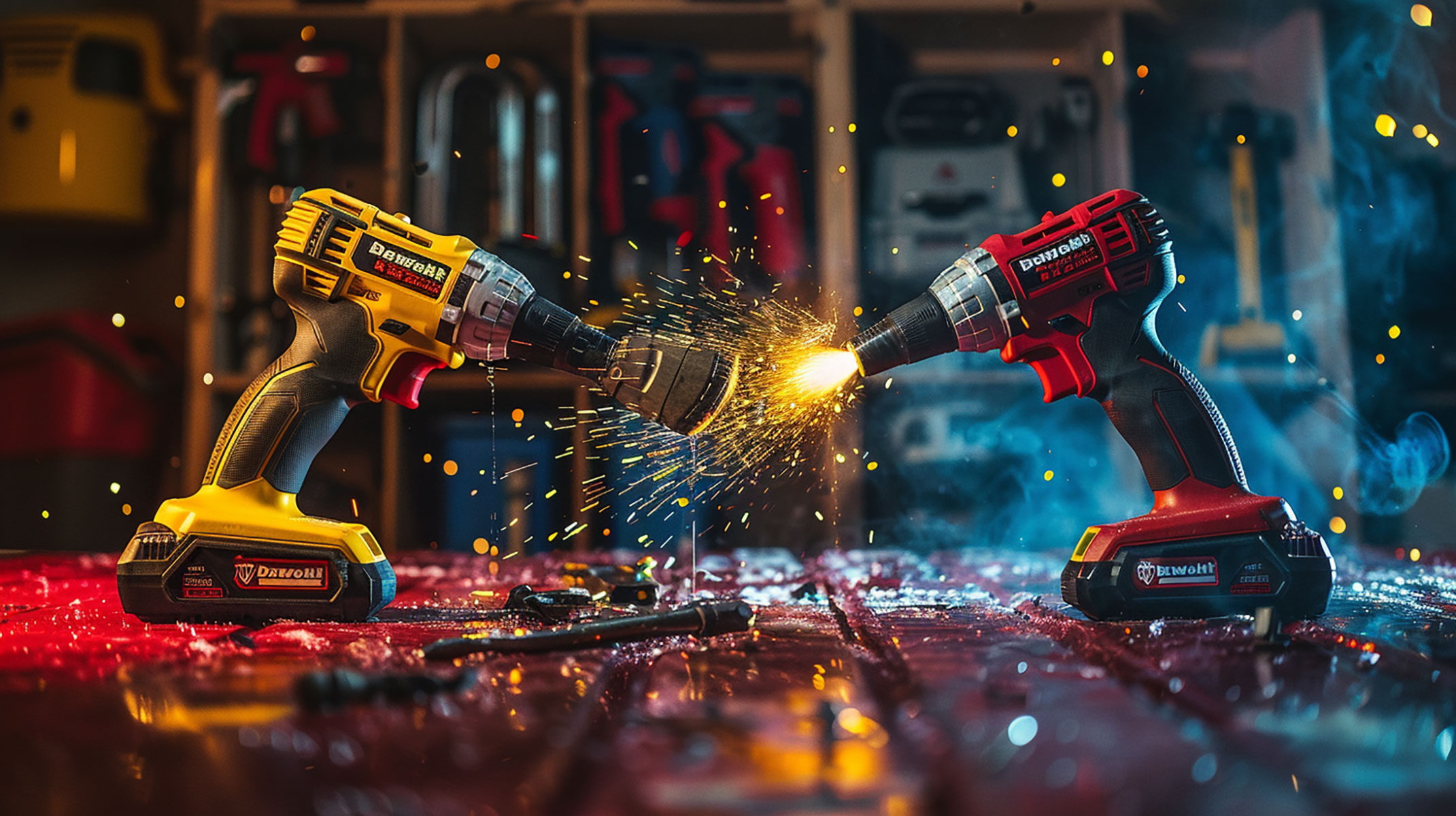
Compact installation drill/driver with four dedicated attachment heads (3/8" chuck, offset driver, 1/4" hex, and right-angle). Intended for use in confined spaces and multiple installation tasks. Includes multiple attachment positions, an inline grip for control, and a magnetic bit holder for quick bit changes.
Milwaukee Installation Drill/Driver Review
A compact problem-solver for tight spaces
The Milwaukee installation driver has become the tool I reach for when I know access will be a fight. It’s purpose-built for installers and remodelers who bounce between drilling pilot holes, driving cabinet screws, and sneaking fasteners into corners where a standard drill simply won’t fit. After months of use across kitchens, bathrooms, and service work, I’ve come to trust it as a compact, capable solution that covers a lot of ground without weighing me down.
Design and ergonomics
This driver is all about control. The inline grip centers your hand behind the bit, so pushing straight and keeping fasteners square takes much less effort than with a pistol-grip drill. It’s a natural position for precision tasks—think hardware, hinge plates, electrical device screws, and bracket installs where misalignment causes headaches later. The tool feels balanced with compact M12 batteries, and the overall footprint stays small even with an attachment mounted.
One caveat: it won’t stand upright on its battery with any stability, especially with larger M12 packs. I hang it or lay it on its side between tasks. It’s not a dealbreaker, but it’s worth noting if you’re used to parking a drill upright on the bench.
Four heads, 16 positions, endless angles
The head system is the star. You get four dedicated attachments—3/8-inch chuck, 1/4-inch hex, offset driver, and right-angle—and they lock on securely. The offset and right-angle heads clock through 16 positions, so you can dial in clearance for knobs, walls, cabinet sides, or joists. The range is excellent: I’ve driven screws a finger-width off a backsplash, drilled inside a narrow cabinet with the bit parallel to the face frame, and run self-tappers along ducting without contorting my wrists.
- 3/8-inch chuck: Good for small twist bits and step bits. It holds true and doesn’t wobble under light-to-medium drilling.
- 1/4-inch hex: My default for general fastening. Quick, positive engagement with standard impact-rated bits.
- Right-angle: Surprisingly compact, with enough rigidity to drill pilots in studs between pipes and wires.
- Offset: The MVP for hinge plates, drawer slides, and any fastener near an inside corner. It shortens the distance from the bit to an obstruction more than a right-angle does.
Swapping heads is fast and feels secure. I’ve yet to see any play develop, and the locking action has been consistent.
Power, speed, and clutch
For a 12V-class driver, it punches above its size. It will handle cabinet screws, pocket-hole joinery, electrical boxes, appliance brackets, and 3-inch deck screws into softwood without complaint. In dense hardwoods or when you step up to larger fasteners, you’ll need to be patient or switch to a bigger drill/driver. That’s expected—it’s an installation tool, not a framing bruiser.
The two-speed gearbox covers drilling and fastening well: high speed for small bits and clean holes, low speed for control and torque. The clutch is predictable, with a wide enough spread to protect delicate hardware and finishes. Once you get a feel for where your common settings land, repeatability is excellent. I especially like it for assembling furniture and casework where consistent clamping force matters.
The forward/reverse/lock button
Instead of the typical side toggle, Milwaukee uses a push-through button near the top of the handle for forward, reverse, and lock (hold to lock). It’s different, and it took me a day to get the muscle memory right. Once I did, I appreciated two things:
- It’s harder to accidentally bump into reverse during a push.
- In awkward positions—especially with the right-angle head—the button is easier to actuate with either hand.
If you’re deeply conditioned to a trigger-adjacent toggle, expect an adjustment period. After that, it’s a non-issue and, in tight spaces, arguably an improvement.
Magnetic bit holder and everyday workflow
The magnetic bit pad on the front is handy for staging a couple of common bits—say, a #2 square, a T20, and a pilot bit. It speeds up head changes and reduces pockets full of steel. I’d like a stronger magnet or a shallow lip to prevent snags from knocking bits loose. Treat it like a staging spot, not a guaranteed hold, and you’ll be fine.
I keep the heads in a small pouch so they don’t walk off. If you’re buying a kit that includes a case, great; if you’re getting the bare tool, plan on a dedicated bag or case for the attachments. They’re compact, but they’re not the kind of thing you want rattling around in a van drawer.
Real-world use
- Cabinets and built-ins: The offset head shines for face frames and slides; the right-angle head handles shelf pins and pilots near obstructions. The clutch saves hardware.
- Electrical and low-voltage: Light, one-handed control is excellent on ladders. The driver’s compact nose with the hex head fits neatly around device screws and box work.
- Plumbing and HVAC: Right-angle head reaches bracket screws behind traps, in chase walls, and along plenums. Self-tappers go in cleanly—just use appropriate bits and avoid over-torquing.
- Service work: Swapping between drill and driver heads is quicker than juggling two tools, and the inline grip helps keep you square on stubborn fasteners.
Across all of these, the theme is the same: access improves, control improves, and you carry fewer tools.
Battery life and platform
On M12 compact batteries, runtime is solid for an installation day dominated by screws and small holes. If you load it up with spade bits or large step bits in metal, you’ll chew through packs faster, as expected. Larger M12 batteries extend runtime but compromise stability and introduce more bulk under your hand. I default to the compact 2.0Ah for balance and clearance.
Durability and maintenance
The heads lock tightly and the detents have stayed crisp. I’ve had the best results keeping the attachment interfaces clean and giving the collars a quick wipe if they’ve seen dust or moisture. Avoid storing the hex head wet; any small moving detent can gum up with rust over time. The driver’s internals have held up without unusual noises or slop, and the chuck concentricity has remained consistent for precise drilling.
Shortcomings and wish list
No tool is perfect. Here’s what I’d change or add:
- Stronger or shielded magnetic bit pad to keep bits from snagging off.
- A more stable base or optional stand for those who like to park a tool upright.
- Optional bit retention or on-head storage for the attachments themselves.
- An accessory inline extension (3-inch and 6-inch) designed to work within the attachment system, preserving the compact geometry while adding reach.
None of these are dealbreakers, but they’re the refinements I’d love to see next.
Value
If your work routinely lives in cabinets, closets, soffits, under-sink voids, mechanical rooms, or overhead, the installation driver earns its keep quickly. It can replace hauling a compact drill, a right-angle drill, and an offset adapter—in a package that’s lighter and more precise. If you mostly drive big structural fasteners or bore large holes, a higher-voltage drill/driver or impact will be a better primary tool, with this as a specialty companion.
Recommendation
I recommend the Milwaukee installation driver to pros and serious DIYers who often work in tight quarters or switch between drilling and driving during installs. It’s compact, well-balanced with small batteries, and the four-head system plus 16 clocking positions unlocks angles a standard drill can’t match. Power is appropriate for its class, the clutch is predictable, and the inline grip makes precise, straight driving easier. You’ll need to adjust to the forward/reverse button, accept that it won’t stand upright reliably, and treat the magnetic bit pad as a convenience rather than a lockbox. If those tradeoffs fit your workflow, this tool becomes a daily driver for installation tasks—and a smarter way to work in the spots where access usually slows you down.
Project Ideas
Business
Mobile Tight-Space Installation Service
Offer on-site installs that specialize in confined-space jobs—blind and shade installs, cabinet hardware replacements, closet organizers, and tiny-home fittings. Market to urban apartments and retrofit jobs where bulky tools can't reach. Use the drill's right-angle and offset heads as a selling point for faster, cleaner installs and advertise faster turnaround because you can work without clearing furniture.
Flat-Pack Assembly for Small Units
Create a rapid-assembly service focused on city dwellers who live in small apartments or micro-units. Promote speed and reliability by highlighting the tool's compact profile, magnetic bit holder (fewer lost bits), and multiple head options that let you handle diverse fasteners without carrying a heavy kit. Offer tiered pricing (standard, express, premium) and subscription move-in packages for property managers.
Workshops: 'Small-Space DIY' Classes
Run hands-on classes teaching renters and tiny-home owners how to complete common projects in tight spots. Curriculum can cover corner-shelves, under-cabinet drawers, and folding desks, demonstrating how to use the drill's four heads and attachment positions. Monetize through ticket sales, selling starter kits (preselected bits/hardware), and upselling private lessons or installation services.
Prebuilt Compact Hardware Kits
Design and sell ready-to-install kits (e.g., corner shelf kits, fold-down desk kits, under-cabinet organizers) optimized for cramped spaces. Include predrilled templates and instructions that call out the drill's attachment heads for a fast install. Sell online through marketplaces and bundle with a recommended bit set or a rental/loan of the compact drill to lower the barrier for customers who don’t own one.
Property Manager Maintenance Contracts
Offer recurring maintenance and minor-installation contracts to landlords and building managers. Pitch the compact driver as the ideal tool for in-unit fixes—quickly replacing hardware, tightening fixtures, and installing tenant-requested accessories without moving furniture or turning units over. Provide online scheduling, flat-rate small-job pricing, and priority response to differentiate from general handymen.
Creative
Hidden Corner Shelf Nooks
Build triangular corner shelves that tuck into tight corners and awkward alcoves. Use the right-angle head to drive fasteners where a standard drill can't reach, the offset driver for screws close to trim, and the magnetic bit holder to keep commonly used bits handy. The 16 attachment positions let you approach odd angles cleanly, so you can create seamless, built-in-looking nooks for plants, books, or display items.
Compact Modular Plant Ladder
Design a small, multi-tiered plant ladder or ladder-shelf for narrow hallways. Use the 3/8" chuck for drilling precise dowel holes, the 1/4" hex for rapid screw driving, and the inline grip to maintain control while working on long narrow pieces. The compact size makes it easy to assemble in situ and tighten fasteners from awkward positions without disassembling furniture.
Reclaimed Window Frame Jewelry Organizer
Repurpose old window frames into hanging jewelry organizers. The offset driver head is ideal for setting tiny hooks close to the frame edge; the magnetic bit holder stores the small bits you'll swap frequently. Work inside the narrow frame cavities without damaging the wood by using the compact driver and multiple attachment positions to reach tight screw locations.
Under-Cabinet Drop-Down Drawer
Create shallow, under-cabinet pull-out drawers for spices, utensils, or tools. Use the right-angle head to mount slides and brackets inside crowded cabinet boxes, and the 3/8" chuck for any small hole-boring needed for hardware. The inline grip helps you control torque in confined spaces so drawer faces align perfectly.
Convertible Wall-Mounted Folding Desk
Make a fold-down desk that fits micro-apartments. Install hinge plates and support arms in cramped nooks using the offset and right-angle heads; the magnetic bit holder keeps assorted fasteners accessible during the multi-step install. The drill's compactness and multiple attachment positions let you do most assembly without moving bulky furniture.