
Features
- All magnesium housing
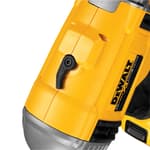
- Selectable trigger for nail placement
- Tool-free depth adjustment
- Self-cleaning air filter
- Adjustable air deflector
- Reload indicator
- Rear-loading magazine with bypass pusher
- Adjustable and removable rafter hook
Specifications
| Accepted Nail Length | 3-1/2 in |
| Housing Material | Magnesium |
Related Tools
Related Articles

Pneumatic framing nailer intended for use with 3-1/2 in full round head nails. The tool is built with a magnesium housing to reduce weight and includes selectable trigger modes, tool-free depth adjustment, and an adjustable air deflector. It also features a self-cleaning air filter, a rear-loading magazine with a bypass pusher and reload indicator, and an adjustable/removable rafter hook.
Milwaukee 3-1/2 in Full Round Head Framing Nailer Review
A lightweight framer that punches above its weight
I put the Milwaukee framing nailer to work on a mix of jobs—standing exterior walls, banging out a deck, and hanging sheathing—and it quickly settled into that “trustworthy, grab-it-first” lane. It’s a pneumatic gun with a full magnesium housing, and that choice of material matters: the tool feels sturdy without being a wrist-killer. After long days of overhead nailing and ladder work, the reduced weight was noticeable in the best way.
What struck me early was the balance. With a rear-loading magazine and a well-proportioned body, the center of gravity sits right where your hand wants it. That translates to less fighting the nose on toe-nails and better control on long runs of sheathing. The handle geometry is natural, with enough meat in the grip to stay comfortable in gloves but not so bulky that you’re over-squeezing.
Build, controls, and ergonomics
Milwaukee kept the interface simple and jobsite-friendly:
- Selectable trigger: A small, positive selector lets me switch between sequential (for placement) and bump (for production) quickly. It’s not fussy, and the pull feels crisp either way.
- Tool-free depth adjustment: The depth wheel at the nose is easy to thumb, even with dirty gloves. More importantly, it holds its setting; I didn’t have to chase depth throughout the day.
- Adjustable exhaust: The air deflector actually works. Spin it away from your face and it stays put, cutting down the gritty blast you get when you’re tucked in close.
- Rafter hook: Adjustable and removable, with enough clearance to hang from a 2x without fiddling. It’s strong and doesn’t rotate on its own—one of those small niceties that adds up.
The rear-loading magazine with a bypass pusher is as straightforward as it gets. Top-offs are quick, and the reload indicator is bright enough to catch your eye before you dry-shoot. The whole gun presents as jobsite-tough: clean castings, protected controls, and nothing dangling to snag on trusses.
Power and nailing performance
This nailer is built for full round head framing nails up to 3-1/2 inches. On framing lumber (SPF and hem-fir), I had no problem sinking 3-1/4 and 3-1/2 nails flush at typical jobsite pressures with the depth dial set mid-range. It has the headroom to overdrive in soft stock and enough finesse to leave nails proud for hardware or inspection when needed.
On tougher material—PT sills and engineered LVL—it still drove confidently so long as I kept my compressor honest. The driver hits with authority but doesn’t feel harsh; recoil is controlled, which keeps your nose where it needs to be for the next shot. In bump mode, the cadence stays consistent—no lag, no stutter—so you can keep your rhythm on long stretches.
Accuracy is also strong. The line of sight down the nose is clear, and the smooth contact tip makes it easy to place nails precisely on sheathing without chewing up the surface. That said, the smooth face is a double-edged sword (more on that below).
Reliability and maintenance
This platform has been drama-free for me. Misfires and jams have been rare to the point of forgettable. The feed is positive, the driver recovers cleanly, and the nail path doesn’t seem to invite shavings or debris. Milwaukee’s self-cleaning air filter does what it says: even after cutting and nailing in OSB dust clouds, I didn’t see the telltale sluggishness you get when crud starts migrating into the valve train.
Basic care is what you’d expect from a pro pneumatic: a few drops of air tool oil at the start of the day, keep your air clean and dry, and blow out the magazine before you throw it back in the truck. Follow that, and this gun rewards you with a consistent shot-to-shot experience.
One note on fasteners: it handled the full round head nails I tried, including both plastic- and paper-collated strips in the appropriate size and angle for the tool. The feed and driver didn’t seem picky, which is exactly what you want when you’re burning through boxes from different lots.
Day-to-day usability
- Depth control: The dial is genuinely useful. Switching from studs to sheathing, I could tweak depth in seconds and keep moving. It’s precise enough that small changes actually show up in the wood.
- Exhaust: Being able to aim the exhaust away from your eyes or a coworker in tight quarters is more than a comfort feature—it reduces fatigue over the course of a day.
- Hook and handling: The rafter hook is a dependable parking spot. Between that and the gun’s balance, setting it down or hanging it up feels natural and safe.
- Noise and vibration: It’s a framing nailer—bring hearing protection. But it’s not a screamer, and the felt vibration isn’t fatiguing.
Where it falls short
Two areas held this nailer back from being best-in-class for me:
- Nose traction: The contact tip is round and smooth. That’s great for protecting finished faces and sheathing, but it can slide when you’re toe-nailing or working at odd angles, especially on wet or planed stock. You can compensate with firmer pressure and cleaner approach angles, but it’s slower than a more aggressive, toothed claw. If your day is 80% toe-nailing, this matters.
- Service parts access: While routine maintenance is simple, field serviceability isn’t as open as some pro pneumatics. If you’re the kind of user who keeps a rebuild kit on the truck and does your own O-rings and triggers, check local availability first. Depending on your region and distributor, you might be relying on a service center rather than quick DIY refreshes.
A smaller nit: there’s no case included. I don’t need a blow-molded suitcase for every gun, but a basic bag goes a long way in protecting the nose and keeping fittings together. Plan on adding a soft tool bag or hanging it by the rafter hook in the shop.
Comparisons and context
Against other lightweight framers in this class, Milwaukee’s take stands out for its balance, reliable feed, and genuinely useful depth control. Some competitors offer more aggressive nosepieces out of the box, and a few have broader parts ecosystems for DIY rebuilds. If your priority is day-long comfort, consistent driving, and simple, effective controls, this one checks the right boxes.
If you’re building production walls where every second counts on toe-nails, or you manage a fleet you routinely tear down and rebuild in-house, you might find better fits elsewhere. But for mixed framing, decks, sheathing, and remodel work—where precision, low hassles, and lightweight handling matter—this is a strong performer.
Tips for best results
- Keep your air clean and regulated. Set pressure per the nail manufacturer and conditions; don’t mask a dull point or wet lumber with excessive PSI.
- Adjust depth first, then fine-tune pressure. The on-tool dial is effective—use it to avoid overdriving.
- For toe-nailing on slick surfaces, pre-seat the nose with firm pressure and consider lightly scoring a bite point with your hammer if you’re fighting slippage.
- Oil daily. A few drops of pneumatic oil at the start of the shift keeps the valve train happy.
Final recommendation
I recommend the Milwaukee framing nailer for builders and remodelers who want a light, well-balanced gun that delivers consistent power and straightforward controls with minimal fuss. Its magnesium build keeps fatigue down, the selectable trigger and depth dial make it adaptable to changing tasks, and the feed system just works. The adjustable exhaust and solid rafter hook round out a package that feels thought through on a real jobsite.
Be aware of two caveats: the smooth nose can slow you down on aggressive toe-nailing, and DIY service parts aren’t as universally available as some legacy pneumatics. If those are deal-breakers for your workflow, consider alternatives with a toothed claw and broader parts support. For everyone else—especially if you value reliability, balance, and easy setup—this nailer is a dependable workhorse that earns its spot on the framing cart.
Project Ideas
Business
Fast-Install Deck & Fence Service
Offer fixed-price, rapid-install deck and fence packages targeting homeowners who want quick turnaround. The framing nailer's speed (bump or single mode), rear-loading magazine, and reliable filter mean crews can complete installs faster with fewer interruptions—turning more jobs per week and improving margins.
Mobile Repair & Storm-Response Crew
Create a small mobile team focused on emergency repairs (fences, roof sheathing, porch framing) after storms or for rental properties. The nailer's durability (magnesium housing), adjustable air deflector, and reload indicator reduce downtime on-site; charge premium rates for fast, same-day stabilization and repair.
Tool Rental + Hands-On Workshop
Rent out the framing nailer to DIYers alongside short in-person workshops that teach safe operation, depth adjustment, and maintenance (including the self-cleaning air filter). Bundle rental with plans and consumables (nails) and upsell project kits—generates recurring revenue and builds local reputation.
Prefab Subassemblies for DIY Builders
Use the nailer in a small shop to mass-produce prefab wall panels, floor trusses, or joist packs for local DIYers and small contractors. The tool-free depth adjustment and rear-loading magazine speed repetitive production; sell panels with delivery and on-site nailing options to capture additional revenue.
Content + Affiliate Niche Channel
Produce short how-to videos and project timelapses that demonstrate using the framing nailer on real projects (decks, sheds, pergolas). Cover maintenance tips (filter cleaning, depth adjustment) and tool comparisons, then monetize via affiliate links to the tool, consumables, and a rental/booking system for local services or workshops.
Creative
Farmhouse Timber Bench Set
Build a heavy-duty outdoor bench and coffee-table set from 2x10 and 4x4 timbers. Use 3-1/2 in full round head nails for strong structural joints, the tool-free depth adjustment to set flush or slightly countersunk heads, and the magnesium housing to reduce fatigue during long assembly sessions. The rafter hook is handy for hanging the nailer off a workbench between steps.
Stacked Raised Garden Beds
Construct deep, multi-tier raised beds sized for heavy soil and planters using thick lumber. The rear-loading magazine and reload indicator keep work moving while you assemble multiple beds, and the self-cleaning air filter helps maintain consistent firing outdoors. Adjustable air deflector lets you control exhaust direction so you don't blow soil or mulch while nailing.
Compact Pergola or Entry Arbor
Create a small pergola or decorative entry arbor from dimensional lumber and beams; 3-1/2 in nails provide the shear strength needed for structural connections. Use the selectable trigger (single vs bump) to switch between precise placement for decorative elements and rapid nailing for repetitive framing. Tool-free depth adjustment prevents over-driving on visible members.
Reclaimed Wood Accent Wall
Mount reclaimed boards to a backing frame to make an interior accent wall. The full round head nails give a rustic, authentic look while the depth control prevents splitting thin reclaimed boards. The adjustable air deflector and lightweight magnesium housing make tight, vertical nailing against a wall easier and less tiring.
Backyard Treehouse Platform
Build a strong platform base for a treehouse or elevated playset using thick joists and posts joined with 3-1/2 in nails for maximum holding power. The rafter hook is useful when working on elevated members; the self-cleaning filter increases reliability during extended outdoor jobs. Selectable trigger modes speed up repetitive fastening while still allowing controlled placement where needed.