Related Tools

Klein Tools Straight Diagonal Cutting Pliers Review
Why these diagonals earned a permanent spot on my belt
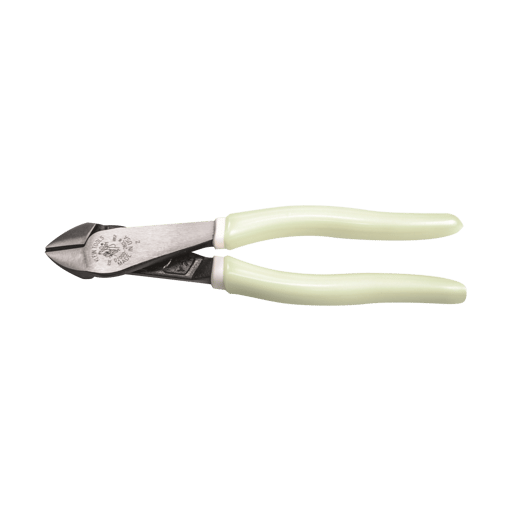
I spend enough time in attics and crawl spaces to know how fast a pair of cutters can vanish into the gloom. That’s the first thing that drew me to these Klein diagonals: the bright, high-visibility handles. But the reason they’ve stayed in my rotation is simpler—they cut cleanly, feel sure in the hand, and hold up to daily use.
First impressions and build
Out of the box, the cutters have that familiar Klein feel: a solid, forged head with a well-centered pivot and a smooth but confident action. There’s no rattle, no lateral play, and the cutting edges mate squarely along the full length. The handles are generously contoured with a high-grip coating that isn’t squishy and doesn’t get slippery when your hands are sweaty or you’re working with gloves.
The head geometry is classic straight-diagonal: compact enough to sneak into panels and junction boxes, with a bevel that favors strength over ultra-flush cuts. That’s a sensible trade-off for an all-around pair you’re going to use on everything from copper conductors to tie wraps to the occasional small brad or screw. The overall balance leans slightly forward, which gives the cut a bit of “fall through” feel once you pass the material.
Cutting performance
In everyday electrical work, these cutters handle the usual suspects with no drama. Solid and stranded conductors in typical residential and light commercial sizes part cleanly without crushing insulation. Zip ties snap off decisively. Romex sheathing and small messenger strands go with a single squeeze. I’ve used them to trim small screws and the kind of errant hardware you sometimes need to take down a notch; the jaws don’t protest, and the edges don’t instantly ding up.
Leverage is excellent for their size. You can get through tougher material without a white-knuckle grip, which is a blessing on long pull days. The pivot stays smooth as you load it, and it doesn’t bind near the end of the stroke the way some budget cutters do. If you’re used to babying cheaper pairs to coax a clean cut, these are refreshingly predictable—line them up, squeeze, done.
One note on finish quality: the cutting edges are precisely ground and even, so thin wires don’t “walk out” of the jaws when you start a cut. That saves time and frustration when you’re trimming multiple conductors to length or cleaning up a harness.
Ergonomics and control
The handle shape strikes a good balance between slim and substantial. With bare hands, the texture keeps you locked in without being abrasive. With gloves, the shoulders give you enough reference to index the tool by feel, and the coating resists the kind of slickness that shows up with oil or dust. After long sessions, I didn’t notice the hot spots that some square-edged grips create at the base of the thumb.
There’s no spring return, which is typical for this style and size. If you’re cutting hundreds of small ties in production work, a spring-loaded, flush-cut tool might be more comfortable. For field work where you’re switching between stripping, cutting, and fastening, the manual action is fine and avoids the fatigue that some stiff springs can cause.
Visibility that actually matters
The high-visibility handles aren’t a gimmick. In dark attics, under decks, or in the back of service vans, they stand out immediately. I’ve fished them out of blown-in insulation and found them at the bottom of a bucket faster than any of my standard-handled pliers. Under a headlamp, the color pops without being glossy or reflective, which means it stays easy to spot even after the handles pick up a layer of jobsite grime.
A small caveat: if you’re rough on your tools, the handle coating will scuff. Mine picked up marks quickly, but the brightness didn’t fade in a way that affected visibility. If you expect pristine handles, these will break in like any work tool—cosmetic wear shows up early, function stays strong.
Durability and maintenance
After weeks of daily use, the cutting edges on my pair remain sharp and evenly aligned. I’m careful not to abuse diagonals on hardened fasteners, but the occasional wrong material hasn’t marred the bevels. The pivot has held its factory tension without backing off, and a drop of oil now and then keeps the action smooth.
As for rust resistance, wipe-downs matter more than marketing claims. The heads will spot if you toss them wet into a bag and forget about them. A quick rag-and-oil routine at the end of a damp day prevents any issues. The handle coating hasn’t peeled or lifted at the edges.
Where they shine—and where they don’t
Strengths:
- Reliable, consistent cutting across common electrical materials
- Excellent leverage for the size, with clean, centered edges
- High-visibility handles that save time in low light or clutter
- Comfortable grip profile for both bare hands and gloves
Trade-offs:
- The bevel isn’t for ultra-flush cuts; if you need perfectly flat tie-trim work, use a flush cutter
- No spring return; high-volume, repetitive trimming tasks might call for a different tool
- Slightly heavier than bargain pairs; that heft helps performance but adds a bit to the belt
Real-world use cases
- Panel work: Snipping conductors to length inside a tight space where you can’t afford to mar surrounding insulation—these give you a controlled, precise bite.
- Rough-in: Cutting cable sheathing, trimming staples, and knocking down the odd protruding fastener—plenty of authority without lugging a larger cutter.
- Service calls: Crawling into tight mechanical spaces or attics; the bright handles mean fewer trips back to search for a dropped pair.
I also appreciate that the tips close neatly. That matters when you’re trying to nip a single strand or catch a zip tie flush against a surface. They’re not needle-nose tips, but for diagonals, the alignment is better than most.
Comparisons and value
There are cheaper diagonals that will make a few cuts just fine, and there are specialty cutters that excel at a single task. These sit in the sweet spot for a primary, day-in/day-out pair: robust edges, confident leverage, and ergonomics you don’t think about. The visibility adds real-world value in a way that fancy coatings or novelty features don’t.
If you already own standard-handle cutters that you like, the question is whether the high-visibility handles are worth adding a second pair. If you work in low-light or high-clutter environments, the time saved not hunting for your pliers pays for itself quickly. If you do bench work or always operate in well-lit areas, the visibility is a nice-to-have rather than a must.
Tips for getting the most out of them
- Treat them like cutting tools, not prybars. They’ll reward you with edge life.
- Wipe the jaws after cutting anything gritty or abrasive; fine debris accelerates wear.
- Oil the pivot occasionally—just a drop—to keep the stroke smooth.
- If you need perfectly flush tie cuts, carry a small dedicated flush cutter alongside these.
Bottom line
These Klein diagonals do the quiet, important things right: they cut cleanly, they feel secure in hand, and they’re easy to find when you inevitably set them down in a dim, crowded space. The visibility feature isn’t a gimmick; it’s a practical upgrade that reduces downtime and frustration. The trade-offs—no spring, not a true flush cut—are typical for this class and don’t detract from their role as a primary pair of cutters.
Recommendation: I recommend them as a reliable, everyday set of diagonals for electricians and techs who want consistent performance and the added benefit of high-visibility handles. They’ve earned their keep on my belt by being easy to spot, comfortable to use, and tough enough to handle real jobsite work without fuss.
Project Ideas
Business
Small‑Batch Jewelry Brand
Launch an Etsy/Instagram shop selling wire‑wrapped and mixed‑media jewelry. Highlight the quality finishes enabled by flush cutting (no sharp wire tails) and offer custom sizes/engravings. Use product photography and short how‑it’s‑made reels to tell the craft story.
Hands‑On Workshops & Skill Sessions
Run local or online classes teaching wire‑wrapping, basic stained‑glass trim work, or floral wiring. Sell accompanying starter kits (including diagonal cutters) and recorded lessons so students can continue practicing at home.
Repair & Alteration Microbusiness
Offer quick jewelry repairs, eyeglass or jewelry chain trims, and costume repairs at craft fairs, markets or via a small storefront. The diagonal cutters let you do clean, fast work that commands a modest service fee and generates repeat customers.
Tool Kits & Makerspace Supply Service
Assemble curated tool kits (diagonal cutters, round‑nose pliers, files, wire) and sell or rent them to local makerspaces, schools and craft groups. Include laminated technique guides and safety notes to reduce training time and liability.
Custom Wire Art & Interior Accents
Create bespoke wire signage, hanging planters, trellises and light fixture accents for cafes, boutiques and interior designers. Offer design mockups, short production runs and installation services; the neat finishes from proper cutting make pieces look premium.
Creative
Wire‑wrapped Jewelry
Use the diagonal cutting pliers for clean, flush cuts on headpins, eyepins and wire ends when making rings, earrings and pendants. Practice different wraps (coils, herringbone, simple loops) and finish with hammered or oxidized textures to create a polished, professional look.
Miniature Model Armatures & Details
Build armatures and fine details for scale models, dollhouse furniture or tabletop miniatures by cutting and shaping thin wires and sprues. The pliers give precise, burr‑free cuts that make joints neater and painting/sanding easier afterward.
Stained‑Glass & Foil Trim Work
Use the cutters to nip small bits of copper foil, trim lead came, and tidy foil edges for stained‑glass panels or glass mosaics. The ability to make short, controlled snips helps when working close to glass edges or intricate patterns.
Floral Wiring and Headpiece Construction
Create wired bouquets, hair crowns and boutonnières by cutting floral wire cleanly and finishing stems flush to avoid snagging. The pliers also help collapse wire ends into tight wraps for more comfortable wearable designs.
Wire Sculpture & Upcycled Metal Art
Make geometric wall art, small sculptures or LED light wire installations from coat hangers, soft rods and reclaimed metal by cutting, bending and joining pieces precisely. Clean cuts reduce the need for filing and make soldering or epoxying faster and stronger.