
Features
- Improves installation speed compared with manual methods
- Compact design for maneuverability in tight areas
- Moveable cable guides for proper alignment
- Coil-spring mechanism for consistent staple depth
- Compatible with 1" insulated staples
- Fires up to 1,200 staples per charged battery
- LED work light for visibility in low light conditions
- Battery fuel gauge to monitor charge level
Specifications
| Staple Compatibility | 1" insulated staples |
| Staples Per Battery Charge | Up to 1,200 |
| Staple Depth Control | Coil-spring mechanism for consistent depth |
| Cable Guides | Moveable |
| Work Light | Integrated LED |
| Battery Indicator | Fuel gauge |
| Design | Compact for tight spaces |
Related Tools
Related Articles
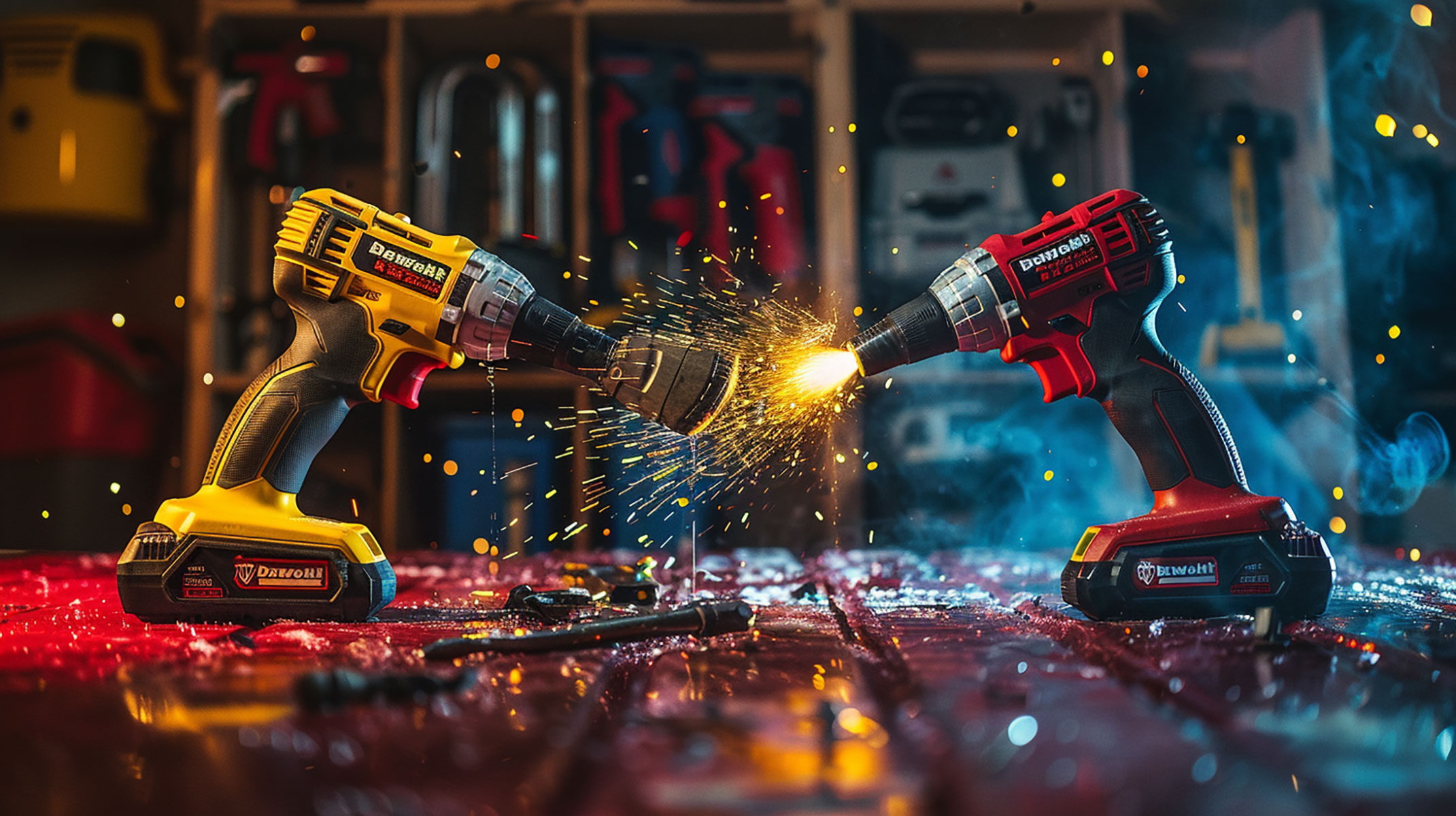
Cordless cable stapler designed to fasten insulated cables using 1" staples. The tool is compact for use in tight spaces, includes movable cable guides for alignment, and uses a coil-spring mechanism to provide consistent staple depth. It has an integrated LED work light and a battery fuel gauge and can fire a large number of staples per battery charge.
Milwaukee Cable Stapler Review
I used to think stapling cable was just part of the grind on a rough-in: one hand on the wire, the other juggling a hammer and a jagged little staple, hoping not to nick the jacket or my knuckles. After a few weeks with Milwaukee’s M12 cable stapler, that routine feels prehistoric. This compact, battery-powered stapler has become one of those reach-for-it-first tools because it’s consistent, quick, and well thought out for real jobsite constraints.
Design and ergonomics
The Milwaukee cable stapler is smaller than I expected and well balanced with an M12 battery installed. The handle and trigger are positioned so I can run it one-handed at shoulder height or above without the wrist fatigue I usually feel after a dozen manual staples. An LED work light illuminates the nose nicely—handy in dim basements and crawl spaces—and the battery fuel gauge is right where I want it so I don’t guess whether I can finish a run.
A standout detail is the moveable cable guides on the nose. They frame the cable and help you set the wire where the insulated staple will land. Once I got used to letting the guides “find” the cable first, the tool tracked straighter and needed fewer corrections. The nose profile is compact enough to fit between framing members and around ductwork far more easily than a hammer swing ever could.
Loading and setup
Loading 1-inch insulated staples is straightforward, and the magazine design keeps the fasteners secure without fiddling. It’s a single-purpose tool—this is not for T50 staples or generic crown fasteners—so plan on using 1-inch insulated staples only. That specialization is part of why the results are so consistent, but it does mean you’re buying specific consumables.
Performance and speed
The coil-spring drive mechanism delivers a repeatable, uniform hit. In practice, that means the staple goes in cleanly with predictable depth across different materials. On soft 2x lumber, on LVLs, and even on OSB webbing in I-joists, I got tight, flush staples without crushing the cable or having to go back and tap them home. In places where I-joists tend to “bounce” with a hammer, the stapler just plants the fastener and moves on. No ricochets, no half-set legs.
Speed-wise, there’s no contest with manual stapling. Once you settle into a rhythm—align the guides, press the nose firmly so the cable is centered, and pull the trigger—you can move down a run quickly and precisely. I was consistently faster per staple and, more importantly, more accurate per staple. You simply make fewer mistakes when the tool takes alignment and drive force out of the equation.
Cable protection and consistency
For me, the whole point of an insulated cable stapler is protecting the jacket while still anchoring the wire to code. The insulated staples create a broad, protective saddle over the cable. That wider bearing surface and the controlled drive depth help prevent pinching. The guides make it easy to avoid skewed shots that can clip the edge of a cable. As always, you still need to place staples with good judgment—perpendicular to the cable, adequately spaced, and never overtightened—but this tool makes “good judgment” easier to execute consistently.
I also appreciate that the staples are forgiving during rework. If you do need to pull one, the wider crown and insulated saddle tend to release without tearing at the jacket the way bare steel staples can. You still use a pry tool carefully, but those broad rails are kinder to cable sheathing.
Tight spaces and overhead work
This is where the tool earns its keep. Crawling around ductwork, threading between pipes, or reaching over a drop ceiling grid is where hammer stapling goes wrong: you can’t strike square, you can’t see what you’re doing, and you bend staples or tag the wire. The stapler’s compact nose, coupled with the LED work light, lets you plant a square shot in those awkward pockets. Overhead, it eliminates the fumble of holding a staple and a hammer; you keep one hand on the tool and one on the cable, and the job becomes controlled instead of improvised.
Battery life
Milwaukee rates it for up to 1,200 staples per charge. I didn’t push it to empty in a single day, but I did several long runs and a handful of drops on one battery and never felt range anxiety—the fuel gauge makes it easy to decide whether to swap packs before heading into a crawl. If you’re already on the M12 platform, it slides into your routine without ceremony. Even if you’re not, one compact battery will cover a lot of ground.
Reliability and jamming
I didn’t experience a jam during testing, which is noteworthy because misfeeds are what sour most people on powered staplers. The coil-spring drive and the way staples present in the nose seem to keep things tidy. The one caveat: if you get lazy about seating the cable in the guides and pressing the nose flush, you can encourage crooked shots. Take that split second to square the tool and it behaves impeccably.
What it can and can’t staple
The tool is built around 1-inch insulated staples for common residential and light commercial cabling. It handled single runs of NM-B (typical 14/2, 12/2, 12/3) smoothly. It also did fine with low-voltage lines like thermostat and data cable, and you can secure small bundles when staple and cable listings allow. Always check the staple’s rating and your local code for what’s permissible for paired or bundled runs—don’t assume every configuration is approved just because it physically fits.
Downsides and trade-offs
- Consumable cost: Insulated staples cost more than generic hammer-in staples, and you’re married to this 1-inch format. In return, you get speed, consistency, and jacket protection, but it’s a budget line item on bigger jobs.
- Not a universal stapler: It doesn’t replace a general-purpose stapler for insulation or fabric; it’s a specialist for cable.
- Nose clearance: The nose is compact, but you still can’t get perfectly into inside corners or flush against certain obstructions. Plan your staple locations accordingly.
- Technique matters: If you don’t press the tool square and let the guides do their job, you can still skew a staple. There’s a short learning curve—minutes, not hours—but don’t skip it.
Tips for best results
- Let the guides center the cable before you pull the trigger.
- Keep the nose square to the wood; a firm press against the surface improves consistency.
- Use the LED to verify placement, especially in low light and overhead shots.
- Plan staple spacing around obstacles so you’re not forcing shots in corners where the nose won’t fit.
- Keep a second strip of staples in your pocket; reloading is quick, but you’ll want to keep your rhythm.
Who it’s for
- Electricians and remodelers who regularly run NM, data, or thermostat cable and want predictable, code-friendly fastening with minimal rework.
- Low-voltage installers who value jacket protection and speed in tight plenum and crawl spaces.
- DIYers tackling a whole-floor lighting or receptacle rewire. If you’re doing a one-off, the cost might feel steep; if you have dozens or hundreds of staples ahead of you, it will pay for itself in saved time and fewer mistakes.
The bottom line
The Milwaukee cable stapler brings order and repeatability to a task that’s usually awkward and inconsistent. Its compact build, helpful guides, consistent drive, and thoughtful touches like the LED and fuel gauge make it easy to trust and easy to keep moving. It won’t replace every stapler or eliminate every tricky shot, but for fastening insulated cable in real jobsite conditions—tight, dim, overhead, and sometimes bouncy—it’s a clear upgrade over a hammer and loose staples.
Recommendation: I recommend this tool. It speeds installation, reduces the chance of jacket damage, and makes difficult placements cleaner and safer. Yes, you’ll spend more on insulated staples, and it’s a single-purpose tool, but the time saved and the professional finish justify the investment for anyone who runs cable regularly.
Project Ideas
Business
Cable Cleanup & Tidy Service
Offer a focused home and small‑office service that removes visual clutter by routing, stapling and labeling power and data cables. Market as a fixed‑price package (e.g., desk, entertainment center, whole‑room) — the stapler's speed and compactness increase throughput so you can complete more jobs per day and keep labor costs competitive.
Garage/Workshop Wiring Retrofit Package
Sell retrofit packages to homeowners who want organized power and charging stations in garages and workshops. Bundle planning, materials (insulated staples, raceway boards, labels) and installation. Emphasize safe, consistent staple depth and neat cable alignment; upsell receptacle relocations or hardwired charging points.
Retail & Event Display Maintenance Contracts
Contract with retail stores, pop‑up shops and event planners to install and maintain tidy wiring for displays and signage. Offer scheduled visits to check and resecure cables. The fast staple capacity per charge and on‑tool LED let technicians work quickly during off‑hours, reducing downtime and labor overhead.
Instructional Content + Affiliate Kit Sales
Produce short how‑to videos and downloadable templates teaching DIYers how to plan and staple cable runs safely (desk setups, media centers, workshop layouts). Monetize with ads, premium courses, and affiliate links or your own kits (tool rental/sale, staple packs, guides). The kit simplifies purchases for beginners and generates passive income.
Tool Rental & Training Packages
Rent the cordless cable stapler with starter staples, spare battery and a quick‑start safety/training sheet to contractors and serious DIYers. Offer half‑day/day rates plus optional on‑site brief training. Recurring rental revenue, plus sales of staple refills and batteries, creates a steady, low‑overhead income stream.
Creative
Under‑cabinet LED & Cord Organizer
Use the cable stapler to neatly route LED strip power leads, appliance cords, and charging cables under kitchen cabinets and shelves. The compact design and LED work light make it easy to work in tight, dim spaces; movable cable guides ensure parallel runs; the coil‑spring depth control prevents crushing insulated wires for a professional, low‑profile finish.
Hidden Home‑Office Raceway Panels
Build shallow wooden or MDF raceways that mount behind desks or against baseboards, then staple grouped data and power cables inside them for a clean look. The tool's consistent 1" staple placement speeds up long runs, and the battery fuel gauge helps plan multi‑room projects without unexpected downtime.
Modular Workshop Power & Tool Lines
Create labeled, modular power runs along workbench backs and tool stations for compressors, chargers and lights. The stapler's ability to fire up to 1,200 staples per charge and its compact body make rapid, accurate layout possible even in cramped shop corners; use movable guides to align multiple cables for a tidy, durable installation.
Entertainment Center Wire Concealment
Construct recessed channels or decorative panels behind TV stands and media cabinets, then staple and route coax, HDMI, speaker and power cables out of sight. The LED work light and small footprint let you work behind units without full disassembly, while consistent staple depth protects delicate insulated conductors.
Patio Rope‑Light Trellis & Outdoor Lighting
Fasten insulated rope lights and low‑voltage landscape wiring to wooden trellises, pergolas, and fencing. The tool's weather‑tolerant insulated staples and reliable depth control keep connections secure without piercing conductors; long battery life supports larger outdoor installations in one session.