
Features
- Brushless motor (up to 5,600 RPM)
- Variable speed dial
- Pivoting plunge mechanism for precise cuts
- Dust collection port
- Quick locking blade change system
- Adjustable cam system for track fitment
- Onboard storage for allen wrench
Specifications
| Blade Diameter | 6-1/2 in |
| Motor Type | Brushless |
| Maximum Speed (Rpm) | 5,600 |
| Speed Control | Variable speed dial |
| Plunge Mechanism | Pivoting plunge |
| Dust Collection | Yes (dust port) |
| Blade Change | Quick locking system |
| Track Fitment | Adjustable cam system |
| Onboard Tool Storage | Allen wrench holder |


Related Articles

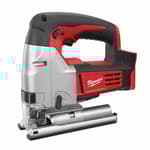
Plunge track saw designed for making controlled, straight cuts using a guide track. It uses a brushless motor with a top speed of 5,600 RPM, and a variable-speed dial for matching speed to the material. The saw has a pivoting plunge mechanism for precise engagement, a dust-collection port to reduce cleanup, a quick locking system for blade changes, an adjustable cam to secure the track, and onboard storage for the hex (allen) wrench.
Milwaukee 6-1/2" Plunge Track Saw Review
I reached for Milwaukee’s 6-1/2" track saw to break down a stack of cabinet-grade ply and trim a solid-oak countertop, and it immediately felt like a no-drama, grown-up solution. It behaves the way a track saw should: predictable plunge, steady tracking, and straight, clean edges without white-knuckle pushing or fussing. It’s not trying to reinvent the category, but it executes the essentials very well.
Setup, ergonomics, and controls
Out of the case, the saw feels solid and balanced. The plunge mechanism is smooth and confidence-inspiring; you can ease in right on the line without the nose dip you get from sloppier linkages. The handle angle and grip texture make it comfortable to steer one-handed along a rail, and the guard sightlines are clear when you’re off the track.
Milwaukee keeps the controls straightforward. The variable-speed dial has a positive detent feel and stays put. The bevel locks engage securely, and the depth scale is easy to read. I did notice a hint of lateral play in the trigger and a little slop in the 45-degree detent bypass slide—neither affected cut accuracy in my use, but they’re the sort of small details you notice on a premium tool.
Onboard storage for the hex wrench is exactly where you want it, and it stays put. It’s a small thing, but when you’re changing blades between plywood and hardwood, not hunting for an Allen key saves time.
On the track
Getting a perfect slide on the rail is simple with the adjustable cams. A quarter-turn at a time dials out side play without making the saw feel pinched. Once set, the saw rode my Milwaukee rails with no chatter or binding, and it held that sweet spot even after a day of temperature swings in the shop.
I also dropped the saw onto a pair of WEN tracks out of curiosity. The shoe geometry meshed well enough that I could make a full-length rip with clean edges and no drama. If you’re invested in another rail system, that flexibility is a nice plus, though I still prefer the fit and finish of the Milwaukee tracks when everything’s tuned.
Non-slip and glide strips on the Milwaukee rails are grippy and reduce creep on cleaner sheet goods. One of my sections did have a strip lifting at the ends; rolling it back down fixed it, but I’d like to see stronger adhesive there for the price of the system.
Cutting performance
With a fresh fine-tooth blade, the saw absolutely flies through 3/4-inch birch ply and leaves a crisp edge on both faces. The brushless motor spins up fast and stays composed under load. I used the lower half of the speed range on veneered ply to keep heat down, and bumped it up for solid stock; the variable-speed control is worth using, not just set-and-forget.
On hardwood, I trimmed a 1-3/8-inch oak countertop and ripped 5/4 maple without a second pass. The cut quality stayed high across the board with no burn marks when the feed rate matched the speed setting. Bevel cuts track accurately, and the saw feels planted enough at 45 degrees that I wasn’t white-knuckling it to stay on the line.
Where this platform shines is the overall restraint: the motor note is clean, the plunge is controlled, and the chassis doesn’t telegraph vibration back through your hand. It feels like a corded-class cut from a single 18V pack, which is exactly the promise a saw like this should deliver.
Dust collection and chip control
Hooked to a shop vac, dust capture is excellent. Tear-out is minimized not just by the rail’s splinter guard but by the fact that the housing moves chips away efficiently instead of recirculating them over the cut line. Visibility stays good, which makes it easy to ride just on the waste side of pencil lines for scribe cuts.
Using the included dust bag is workable for short rips and quick field cuts, but it’s not my favorite. The bag is small, the material feels thin, and it attaches with a friction fit. It stayed on fine when I kept my off-hand clear; brushing it with tool bags or a hip can knock it loose. If you plan to work indoors and keep cleanup minimal, pair the saw with a vac whenever possible.
One note from the field: in damp material, I had one clog near the port where wet fines packed into a corner. It prevented the guard from retracting fully until I killed power and cleared the buildup. Not unique to this saw, but it’s worth watching when you’re cutting wet siding or pressure-treated stock.
Blade changes and maintenance
The quick locking system for blade changes is well thought-out. Lock the spindle, flip the mechanism, and the guard stays put so you can get to the arbor without fighting spring tension. The onboard wrench is right there, and the whole process is tidy. It’s the kind of maintenance step you don’t dread—so you actually make the blade changes you should.
Power, runtime, and batteries
On Milwaukee’s M18 platform, the saw benefits from the breadth of available packs. I ran it mostly with an 8.0 High Output battery and had no trouble getting through a day of intermittent use—breaking down sheets, making a handful of hardwood rips, and trimming doors—on a single charge. It will run on smaller packs, but the 8.0 keeps the blade speed steadier under load and balances the saw nicely on the rail.
Weight is reasonable for the category. With the 8.0 installed, it still feels nimble on vertical cuts when you’re trimming the bottom of a door or scribing panels in place.
Accuracy and repeatability
Setup to the rail is repeatable. Zero out the splinter guard to your blade once, and your cut line stays trustworthy. The saw returns to square reliably after bevel cuts, which saves time checking with a square on every reset. I’d welcome micro-adjust for bevel if Milwaukee ever adds it, but the current locks hold well and don’t wander.
Quibbles and what could be better
- Price: It sits in the premium tier and doesn’t bring a standout new trick to justify the delta if you already own a capable track saw.
- Dust bag: Functional but flimsy, and the friction fit can pop off if you brush it.
- Small fit-and-finish misses: Slight play in the trigger and a loose-feeling 45-degree detent bypass slide. Neither killed accuracy, but they’re noticeable.
- Rail strip adhesion: One glide/non-slip strip lifted at the ends until re-seated. Easy fix, but not what I expect on new rails.
- Wet-cut chip packing: Keep an eye on the port when cutting damp stock; clear chips if the guard feels reluctant.
Who it’s for
- Remodelers and carpenters breaking down sheet goods on site, especially if you’re already deep into M18 batteries.
- Cabinet shops and hobby woodworkers wanting clean, straight rips without moving full sheets across a table saw.
- Installers working with prefinished materials who need clean edges and good dust capture.
If you’re locked into another battery platform or you already own a premium corded track saw with rails you love, the calculus is trickier. The saw plays well with some third-party rails, which helps, but the ecosystem buy-in is real if you add multiple tracks and accessories.
The bottom line
Milwaukee’s 6-1/2" track saw nails the fundamentals: smooth plunge, true tracking, strong brushless power up to 5,600 RPM, and excellent dust collection with a vac. Blade changes are quick, the adjustable cams make it easy to tune for zero play on the rail, and onboard wrench storage means less downtime. A few fit-and-finish nits and a so-so dust bag keep it from feeling impeccable, and the price puts it against stiff competition. But in daily use, what matters is how consistently it makes clean, straight cuts—and on that front, it delivers.
Recommendation: I recommend this saw, especially if you’re on the M18 platform or you value cordless convenience without sacrificing cut quality. It’s a dependable, accurate performer that feels like a corded replacement when paired with a higher-capacity battery. If budget is tight or you need standout new features to justify an upgrade, you may find better value elsewhere—but for reliable, professional results, this is an easy tool to trust.
Project Ideas
Business
On-site Cabinet Door & Trim Sizing Service
Offer a mobile service to cut and fit cabinet doors, shelves, and trim directly at installation sites. The plunge track saw enables full-sheet handling and precise on-site adjustments, reducing callbacks and transport. Market to kitchen remodelers and homeowners as a faster, lower-waste alternative to returning parts to the shop.
Custom Flat-Pack Furniture Production
Design a line of simple, attractive flat-pack furniture (shelves, desks, media consoles) and use the track saw to produce precisely dimensioned parts for home assembly. Consistent straight cuts minimize fitting issues; sell via an online store or local marketplaces. Scale by batching cuts and offering optional upgraded finishes or hardware kits.
Mobile Countertop & Laminate Cutting Service
Provide countertop trimming, laminate patching, and on-site panel sizing for contractors and DIY customers. The variable-speed motor and plunge action help when cutting laminates and veneers without chipping; a dust-collection setup keeps sites clean. Charge per-job or per-lineal-foot and offer emergency/last-minute service.
Small-batch Architectural Millwork & Wall Paneling
Produce precision wall panels, wainscoting, and custom millwork for local builders and designers. The track saw’s accuracy and repeatability make it efficient for repeating parts like panel strips and battens. Position the business toward boutique builders who value quick turnaround and on-site fitting options.
Workshops, Content & Tool Affiliate Sales
Teach hands-on workshops and produce video tutorials about safe, accurate track-saw techniques (sheet cutting, domino dovetail prep, door making). Monetize through class fees, paid video courses, downloadable plans, and affiliate links to the saw, tracks, and blades. Use before/after project galleries to attract students and customers.
Creative
Floating Shelves with Invisible Brackets
Use the track saw to cut long, perfectly straight shelving boards and to machine precise rabbets and dados for hidden bracket hardware. The track gives splinter-free edges for veneered plywood, the plunge mechanism lets you start/stop cuts cleanly, and the dust port keeps the workspace tidy. Finish options: edge-banding or seamless veneer joints for a high-end look.
Custom Sliding Barn or Pocket Doors
Cut full door blanks and trim with straight, repeatable cuts so doors sit flush and slide smoothly. The adjustable cam ensures accurate track alignment during long cuts, and the variable speed lets you cut laminates, veneer-faced MDF, or solid wood without blowout. Great for making decorated inset panels or routed grooves for hardware.
Parquet-style Tabletop or Wall Paneling
Produce consistent narrow strips and precise miters for a geometric parquet pattern using the guide track for repeatable straight cuts. The plunge feature helps layout inlays and stop-cuts, and quick blade changes let you switch to a fine-tooth blade for cleaner hardwood edges. Assemble into tabletops or decorative wall panels.
Picture Frames, Shadow Boxes & Trim with Perfect Miters
Make accurate 45° miters and straight trim pieces for frames and shadow boxes. The track saw removes the need for a miter saw when working with large panels or long lengths, and the onboard allen wrench and quick-lock blade system speed up blade swaps for fine-tooth framing blades. Dust collection keeps delicate picture surfaces clean.
Inlayed Countertop/Sign Panels and Plunge Cut Windows
Use plunge cuts to cut internal openings for insets (like outlets, sign lettering, or inset tiles) and to create clean straight edges for laminate or solid-surface inlays. Variable speed is helpful for cutting acrylic or thin laminates, and the dust port and splinter-free track cuts make for ready-to-finish edges.