
Features
- Up to 60% more power compared to similar tools
- Compact overall length (6.9 inches)
- Delivers up to 1,200 in-lbs of torque
- Maximum speed of 2,000 RPM
- All-metal ratcheting 1/2-inch chuck
Specifications
| Length | 6.9 in |
| Torque | 1,200 in-lbs |
| Maximum Speed | 2,000 RPM |
| Chuck Size | 1/2 in |
| Chuck Type | All-metal ratcheting |
| Relative Power | Up to 60% more power vs. comparable tools |
Related Tools
Related Articles
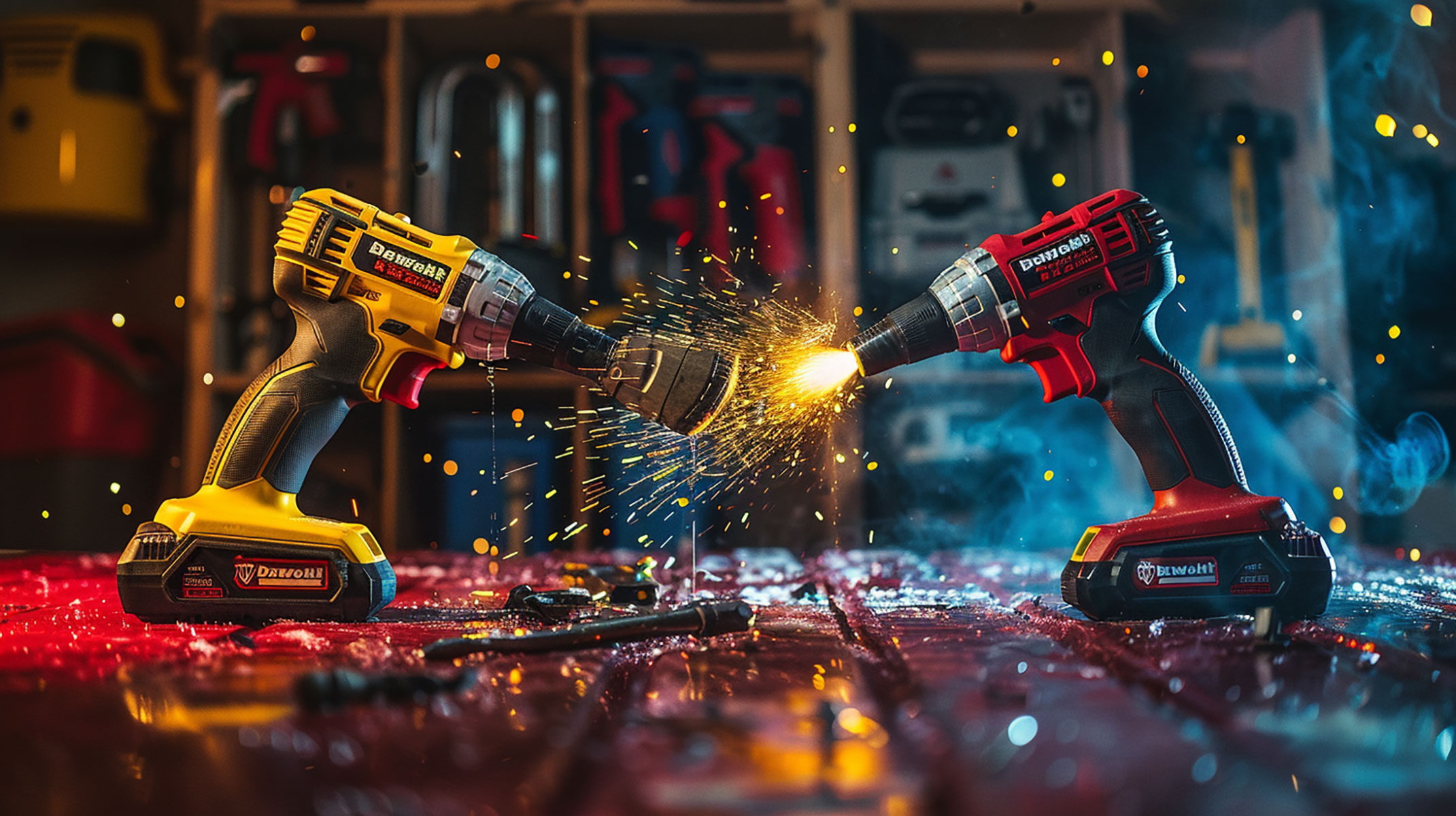
Compact 1/2-inch hammer drill/driver designed for drilling and driving tasks. Features a short overall length and an all-metal ratcheting 1/2-inch chuck for durability and better bit retention.
Milwaukee 1/2-inch Hammer Drill/Driver Review
Why I reached for the 2804
I picked up Milwaukee’s compact 1/2-inch hammer drill to be a single body that could handle framing holes, cabinet work, and the occasional concrete anchor without lugging multiple tools. On paper, it checks all the boxes: short 6.9-inch nose-to-tail length, a claimed 60% bump in power over similar drills, a 2,000 RPM top end, and an all‑metal ratcheting chuck. After months of mixed work—stud drilling, cabinetry, light masonry, and plenty of fastener driving—here’s how it actually performs.
Design, balance, and controls
The 2804 feels purpose-built for tight spaces. That 6.9-inch length matters more than the spec sheet suggests—this drill tucks between 16-inch centers and reaches into cabinet boxes where a longer drill would push you off your line. The grip is neutral, the trigger has a smooth ramp, and the mode collar is positive without feeling gritty. It’s not a featherweight, but it balances well with a compact or mid-size battery, and I didn’t fight nose dive when starting holes overhead.
The two-speed gearbox is well spaced: low gear for torque-heavy bits like augers and hole saws, high gear for twist bits and general driving. Shifting is crisp. The clutch ring has a familiar progression and gives predictable slip on small fasteners.
Power and drilling performance
Milwaukee advertises up to 1,200 in‑lbs of torque, and the 2804 behaves like it has it. In low gear with a sharp 35mm forstner, it flattened hinge recesses in hardwood cleanly and without stalling, where a lesser drill tends to chatter or scorch. Spade bits up to 1‑1/4 inch through studs were a non-event; self‑feed bits will get your attention, but the drill muscles through as long as you don’t get greedy on feed rate.
In high gear at 2,000 RPM, small-diameter twist bits track straight and clear chips efficiently. I noticed less tip wander on layout-critical work because the short nose lets you square up easily. If you lean into the throttle, the drill stays composed and doesn’t surge or “hunt” as it comes up to speed.
Where the power ceiling shows is with big hole saws and aggressive self-feeds. In 2‑1/2 to 3‑1/2 inch material, I could make the cut, but I had to back the saw out often to clear chips and keep the motor from tripping its protection. That’s not a knock on this drill—it’s what I expect from a compact form factor—but if you’re planning an afternoon of big holes, a right‑angle drill or a heavier D‑handle is simply the better tool.
Hammer mode in concrete
For light anchoring in concrete—think 3/16 to 5/16 inch—hammer mode is competent. With a quality carbide bit, I could set Tapcon‑sized holes quickly in standard slab and block. Heat becomes the limiting factor on back‑to‑back holes; the drill benefits from a measured pace, and dust extraction keeps flutes clear so you don’t have to lean on it.
For larger diameters or extended runs in harder aggregate, I’d still reach for an SDS‑Plus rotary hammer. The 2804 can do masonry in a pinch, but it’s a drill/driver first, hammer second.
Chuck and bit retention
The all‑metal ratcheting 1/2‑inch chuck holds bits securely. Under wood drilling loads, I never had a bit spin in the jaws. However, hammer drilling introduces a different dynamic: after a string of concrete holes, the chuck occasionally tightened enough that releasing it by hand was tough. A gloved grip and a firm counter‑twist on the collar usually broke it loose; once or twice I used a strap wrench to avoid marring the finish. My takeaway: the chuck’s bite is excellent, but vibration can “self‑tighten.” Keeping the jaws clean and seating the bit fully helps, and I now give the collar a controlled snug rather than a full yank before hammer drilling.
Side handle and control
Use the side handle. This drill has real torque, and when a bit catches, you feel it. The included handle mounts quickly and gives good leverage for paddles, hole saws, and large augers. I did notice that if you under‑tighten the handle, it can creep. Properly torqued, it stayed put, but I’d love a more confidence‑inspiring interface that’s less sensitive to user error. On tricky cuts—boring through layered materials, for example—I lower the clutch or use a hole saw with a relief kerf to tame the grab.
The electronic protection trips sooner than a mechanical clutch would in some bind‑ups. That’s a design choice I can live with; it protects your wrist and the gearbox. The trade‑off is that you may need to feather the trigger and clear chips more often on high‑load jobs.
Runtime, heat, and noise
Runtime scales with the battery you choose, but efficiency is solid. In wood, I got through a typical cabinet install day doing pilot holes, pocket screws, and hinge cups without feeling hamstrung. Under heavy, continuous drilling—or long hammer sessions—the head heats up in a predictable, linear way. Give it brief breathers and it stays happy. Noise in hammer mode is sharper than in wood, as expected, but not out of line for the class.
Durability and maintenance
The metal chuck and gearcase give the drill a tough exterior, and the internals have held alignment after encounters with hidden nails and a few sudden stalls. That said, like any compact, high‑output drill, it rewards good habits:
- Seat bits fully and keep the chuck jaws clean.
- Use the side handle for anything that can catch.
- Match the gear to the bit size; let low gear do the heavy lifting.
- In hammer mode, back the bit out periodically to clear dust and keep temperatures down.
I’ve avoided crashes and kept the chuck smooth with a drop of light oil on the jaws now and then. After several months, there’s no slop in the collar or gearbox, and the ratchet still bites cleanly.
What I’d change
- The side handle interface could be more foolproof. When torque spikes, I want zero chance of creep.
- The chuck’s tendency to tighten further during hammer drilling is manageable but real; a slightly different thread pitch or collar texture might ease release without sacrificing bite.
- A more gradual electronic cutoff under peak loads would reduce nuisance trips on hole saw work without compromising safety.
Who it’s for
- Carpenters, remodelers, and DIYers who want one compact body to do most drilling and driving, plus occasional anchors in concrete.
- Cabinet installers and finish carpenters who value the short length and precise trigger control.
- Pros who already own a rotary hammer or right‑angle drill for the extremes, and need a powerful everyday drill that fits where bigger tools don’t.
Who should look elsewhere:
- Trades regularly boring large‑diameter holes or running long masonry sequences. You’ll work faster and safer with purpose‑built tools.
The bottom line
The 2804 is a compact powerhouse. It pairs real torque with a short footprint, making it easy to line up holes accurately in tight quarters. In wood, it’s confident and quick; in light masonry, it gets the job done if you pace it. The chuck holds tenaciously—sometimes a little too tenaciously after hammer use—and the side handle requires proper tightening to inspire full trust. Electronic protection steps in early on binds, which keeps wrists intact but asks you to work smarter with big cutters.
Recommendation: I recommend this drill for most users who need a versatile, compact hammer‑capable drill/driver with strong torque and a premium chuck. It excels in carpentry, remodeling, and general maintenance. If your daily work revolves around large hole saws or extended concrete drilling, pair it with a right‑angle drill or SDS‑Plus hammer and you’ll have the best of both worlds.
Project Ideas
Business
Mobile Masonry/Anchor Installation Service
Offer same-day installation of anchors, concrete fasteners, and wall-mounted hardware for homeowners and small businesses. The hammer capability and 1/2" chuck handle masonry bits and large anchors, and the tool's compactness makes it ideal for apartments and tight job sites. Package services (TV mounts, shelves, railings) with a short lead time to capture emergency and convenience-focused clients.
Premium Shelf & TV Mounting Business
Specialize in heavy-duty shelf, cabinet, and TV installations that require strong anchors and precise drilling. Use the high-torque drill to install threaded inserts, lag bolts, and cabinet anchors quickly. Market to landlords, interior designers, and realtors who need reliable, neat installations — charge premium rates for guaranteed load ratings and tidy finish work.
On-Site Metal/Carpentry Fabrication Service
Provide small-scale fabrication and installation (brackets, custom racks, furniture repairs) where you cut, drill, and assemble on-site. The 1/2" chuck lets you use larger metal bits and socket adapters to turn the drill into a portable impact-like driver. Sell bundled services: design consultation + fabrication + installation for boutiques, cafes, and galleries.
Tool Rental + Micro-Training
Rent out the compact hammer drill for DIYers and pair rentals with short (30–60 minute) paid training sessions on safe masonry drilling, bit selection, and anchor installation. The all-metal ratcheting chuck and durable build make it an appealing rental tool; training reduces damage risk and increases customer confidence — upsell consumables (bits, anchors).
Storm Prep / Emergency Boarding Service
Offer rapid-response boarding and hardware reinforcement services before storms or after vandalism. The drill's power and compatible bits let you secure plywood to structures with heavy-duty anchors quickly. Market to property managers and small businesses as a subscription or on-call service for urgent, time-sensitive work.
Creative
Hidden-Bracket Floating Shelves
Build sleek, heavy-duty floating shelves from hardwood or reclaimed wood. Use the compact 6.9" drill/driver to bore precise pilot holes and pocket holes in tight carcass spaces; the 1/2" all-metal chuck accepts larger bits and socket adapters to drive long lag bolts or threaded inserts. The high torque (1,200 in-lbs) makes it easy to sink heavy fasteners, and the compact length helps you work close to walls and inside cabinets.
Pallet Coffee Table with Steel Frame
Create an industrial-style coffee table by combining reclaimed pallet wood with a welded steel frame. Use the hammer drill for pre-drilling dense hardwood and the 1/2" chuck to accept spade or Forstner bits for large holes. The extra power (up to 60% more) helps when counter-sinking bolts or driving long machine screws through wood into metal brackets.
Concrete Planter with Embedded Lighting
Cast or modify concrete planters and drill ports for waterproof LED lighting or drainage. The hammer function and robust chuck let you use masonry bits up to 1/2" to drill into cured concrete cleanly. The 2,000 RPM top speed provides a balance between aggressive cutting and control for neat holes where wiring or tubing will pass.
Steel-and-Wood Garden Trellis
Fabricate a trellis using steel tubing and wooden slats. The all-metal ratcheting chuck accepts hole saws and twist bits for metal, while the 1,200 in-lbs torque drives large lag screws and carriage bolts without bogging down. The compact size helps when drilling inside assembled frames or working low to the ground.
Boat/Outdoor Hardware Retrofit
Upgrade dock cleats, boat hardware, or outdoor bench fastenings. The hammer/drill combo and durable chuck let you switch between woodworking, metal, and masonry tasks on-site — drilling pilot holes in marine plywood, driving stainless fasteners, and installing anchors into concrete docks. The short length helps when working in cramped engine bays or between joists.