
Features
- Compact design for access in tight spaces
- Auto-Stop control mode for safety
- Brushless motor for consistent power
- All-metal chuck for durability
- LED light for visibility in low-light conditions
Related Tools
Related Articles
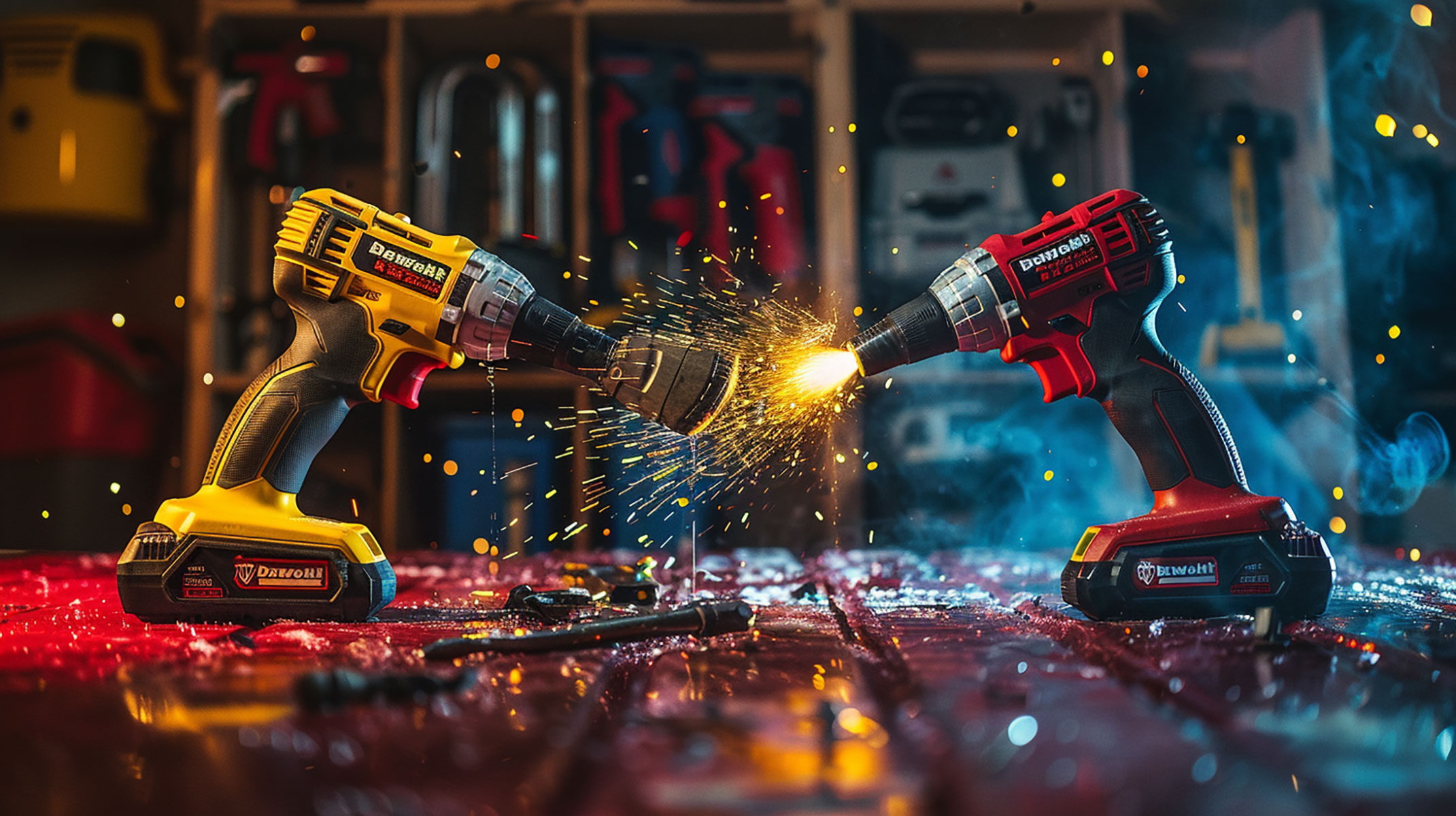
1/2-inch hammer drill/driver designed for use in confined spaces. It is equipped with a brushless motor for consistent power delivery, an all-metal 1/2-inch chuck for durability, an Auto-Stop control mode intended to improve user safety, and an integrated LED light for visibility in low-light conditions.
Milwaukee 1/2" Hammer Drill/Driver Review
A compact hammer drill that punches above its size
I’ve been using Milwaukee’s latest 1/2-inch hammer drill for a mix of remodel and commercial punch-list work, and it’s become the first thing I grab when I need a do‑everything drill/driver that doesn’t feel bulky. The standout is how much power Milwaukee fit into a compact frame. In tight stud bays, overhead on a lift, or tucked under a sink, the shorter length and balanced weight make it easy to control without giving up speed or torque.
Design and ergonomics
The tool’s footprint is compact enough to fit between 16-inch on-center studs with a bit and driver installed, and the handle angle puts your wrist in a neutral position. The side handle is not an optional accessory here—it’s essential when the drill starts to bite. Milwaukee’s LED placement is smart; it illuminates the work area without casting harsh shadows or blinding you at the chuck. Little touches help too: the all‑metal 1/2-inch chuck is knurled and easy to tighten one‑handed, and the mode ring (drill/drive/hammer) clicks positively so you’re not second‑guessing what the tool will do when you squeeze the trigger.
Power and speed
Brushless power is the headliner. In second gear, the drill rips through SPF studs with a 1‑inch spade bit without bogging. Drop to first gear and it will muscle 2‑9/16-inch self‑feed bits through LVL if you keep your feed rate honest and use the side handle. On steel, I ran step bits up to 7/8 inch in structural angle; the torque is there, but if you push too aggressively in high gear you’ll hit the tool’s safety features (more on that below). It’s not a right‑angle drill or a mag drill, but for typical jobsite needs—holes for conduit, plumbing straps, and hardware—this hammer drill carries the day.
Auto‑Stop that actually helps
Milwaukee’s Auto‑Stop is a clutch‑like electronic cutout designed to keep the drill from spinning your wrist if a bit binds. In use, it’s quick and predictable. Running hole saws in sheet metal and borers in framing, I felt the motor shut off the instant a tooth caught. There’s an indicator to let you know Auto‑Stop triggered, and a quick release of the trigger gets you going again. A few notes:
- It can trip early with small drivers in knotty grain if you’re in an awkward stance, but you can adapt your feed pressure.
- If you routinely run big hole saws or self‑feed bits, the side handle and a squared stance are still mandatory. Auto‑Stop is insurance, not a license to lean in recklessly.
Overall, it strikes the right balance: it protects you without neutering the tool’s performance.
Chuck, clutch, and transmission
The all‑metal chuck is one of the best in this class. It grips smooth‑shank bits without creeping, and my runout readings at the jaws were minimal—good enough for clean Forstner work in hardwood face frames and precise pilot holes for tapcons. The clutch settings are wide enough to keep you from overdriving cabinet screws or snapping small fasteners, and switching between drill and hammer modes is immediate.
The two‑speed gearbox is geared properly: low is truly low, with excellent control for large diameter bits; high is genuinely fast for spade bits, countersinks, and general driving. After a few months, the shift between gears still feels crisp. Like any compact drill, if you abuse it with repeated binds using oversized cutters, you’ll feel the housing and transmission complain. Use the right gear and that side handle, and it holds up well.
Concrete drilling: fast for its class
Hammer mode surprised me. With a 3/16- and 1/4‑inch carbide bit, it chews clean anchor holes in cured concrete and CMU faces quickly, and it stays smooth enough that you don’t feel like you’re fighting the tool. I comfortably ran 3/8‑inch wedge‑anchor holes too, though at that size you’ll benefit from a larger battery to keep impacts consistent. This is not an SDS‑plus rotary hammer, and I wouldn’t pick it for all‑day anchor setting, but for occasional anchors, tapcons, and patch work, it’s excellent.
Runtime, batteries, and balance
Battery choice changes the character of the tool:
- With a compact 2.0Ah pack, it’s featherweight and great for overhead fastening or punch lists, but you’ll notice the sag on bigger holes.
- A 5.0Ah or 6.0Ah pack is the sweet spot for most drilling and hammer drilling—good balance, steady output, and plenty of runtime.
- Heavier high‑output packs make it feel planted for aggressive boring, though you’ll give up some nimbleness.
Thermals are managed well. I didn’t hit a thermal cutoff in normal framing, metal drilling, or concrete work; the motor casing gets warm under sustained load, but not alarming. The LED stays useful even as pack voltage drops, which sounds trivial until you’re finishing a cut in a crawlspace on a fading battery.
Controls and visibility
The variable‑speed trigger is linear and easy to feather for delicate starts on tile or sheet metal. The forward/reverse switch has enough detent that I never bumped it by accident with gloves on. The LED is placed below the chuck and throws a wider, more diffuse light than previous iterations; it’s one of the few built‑in lights I keep turned on by default.
Durability and serviceability
Milwaukee’s fit and finish on this drill are high. After months in a packout and on lifts, the chuck is still true, the ring detents are positive, and the housing hasn’t loosened up. I’m less enthusiastic about serviceability. The trigger and electronics are integrated into a single module, which is good for consistency and sealing but expensive to replace out of warranty. It also means there’s not much a user can do to keep a well‑worn trigger in the game short of full module replacement.
A separate caution: this compact form factor is powerful enough to get itself in trouble with oversized cutters. If you routinely run 7/8‑ to 2‑inch hole saws in thick stock or use large self‑feeds in hardwoods, treat this as the wrong match for the job. You can absolutely do it, but repeated, violent binds will stress any compact drill’s gearbox and housing. For that kind of work, a heavier drill or a right‑angle with a clutch is a better long‑term bet.
Where it fits in a kit
If you’re a GC, remodeler, electrician, or maintenance tech who needs one drill/driver that can cover framing, light steel, and occasional anchors, this hammer drill is a strong primary tool. Woodworkers who appreciate compact tools will like the balance and chuck quality for cabinetry and jigs, then flip to hammer for the odd ledger or bracket install. If masonry drilling is a daily task, pair it with an SDS‑plus rotary hammer; if large‑diameter boring is routine, add a purpose‑built drill.
A few tips to get the most out of it:
- Use the side handle any time you’re drilling over 1/2 inch or in uncertain material.
- Match the gear to the bit; don’t try to “power through” in high when the cut calls for torque.
- Keep a mid‑size battery on it for most work; swap to compact only when weight truly matters.
The bottom line
This Milwaukee hammer drill blends compact size, real power, and thoughtful safety features in a way that makes it easy to recommend. The Auto‑Stop works, the chuck is excellent, hammer mode is legitimately useful, and the ergonomics are spot on for all‑day use. My reservations are mainly about long‑term serviceability and the reality that a compact housing can only take so much abuse from oversized cutters before something gives. Used within its lane—with the side handle on and the right gear selected—it’s a workhorse.
Recommendation: I recommend this drill to pros and serious DIYers who want a single, compact drill/driver that can also handle light‑to‑medium masonry. It earns its place with strong performance, smart safety, and good ergonomics. If your workload is dominated by large hole saws, heavy self‑feeds, or continuous concrete anchoring, supplement it with a purpose‑built tool; otherwise, this is an excellent core drill for most kits.
Project Ideas
Business
Tight-Space Installation Service
Offer a niche contractor service centered on installs where access is limited: under-counter outlets, built-in trim, HVAC register modifications, and tight appliance retrofits. Market the service on speed and precision enabled by the compact drill, LED visibility, and Auto-Stop safety feature to avoid costly mistakes in small access areas.
Safety-Focused Retrofit & Elder-Home Modifications
Position a specialty business that performs grab-bar, shower-seat, and accessibility retrofits in existing homes and bathrooms where fragile materials and tight spaces are common. Emphasize the Auto-Stop control for safe anchor installation, the consistent brushless motor for repeatable torque, and the durable chuck for heavier anchors—pair with a clear liability and training program.
Mobile Emergency Drill-Out & Repair Unit
Create a mobile service for locksmiths, plumbers, and property managers who need rapid drill-outs or emergency access in cramped locations (e.g., jammed bolts in machine rooms, broken fasteners behind appliances). Equip vans with compact hammer drills, specialized bit kits, and stock replacement fasteners—charge premium emergency and access fees.
Premium Tool Rental + Specialty Bit Kits
Rent the compact hammer drill along with curated accessory kits (masonry kit, screw-extraction set, deep-reach bits) targeted to DIYers tackling remodeling in tight spaces. Offer weekend packages with how-to guides and short in-person orientation that highlights the LED and Auto-Stop safety mode—upsell bit kits and consumables.
Creative
Under-Cabinet Floating Shelves
Build slim floating shelves that mount into tight upper-cabinet voids and between studs. The drill's compact design lets you work inside narrow soffits, the all-metal 1/2" chuck accepts larger drivers for heavy anchors, the LED lights dim corners for precise hole placement, and Auto-Stop prevents overdriving into thin plywood or veneer.
Reclaimed Wood Wall Art with Metal Inlays
Create large reclaimed-wood panels with recessed slots for decorative metal inlays and embedded lighting. Use the hammer drill/driver with masonry bits to anchor panels to brick or block walls, the brushless motor keeps torque steady for clean countersinks, and the durable chuck handles heavier bits needed for metal work.
Industrial Pipe Lamp Series
Design a small run of industrial-style lamps using threaded pipe fittings, salvaged wood bases, and compact electronics. The compact drill reaches tight lamp bases and internal cavities, Auto-Stop protects fragile lamp sockets during assembly, and the LED helps you wire and align components in low-light workshops.
Tight-Spot Furniture Restoration
Restore antiques with hidden or cramped fasteners: remove stripped screws, drive long bolts through confined joinery, and install replacement hardware in narrow cavities. The brushless motor delivers consistent power for delicate tasks, the compact head gets into carcasses and drawer boxes, and Auto-Stop reduces risk of damaging veneer or thin laminates.