![10''w x 4''h Adjustable AIR Supply Diffuser - HVAC Vent Cover Sidewall or Ceiling - Grille Register - High Airflow - White [Outer Dimensions: 11.75''w X 5.75''h]](https://images.toolstash.com/variants/9fjk2ktqv1xuyak3tn0l4dgake48/display.webp)
Features
- 10"w X 4"h Is The Size For The Duct Opening Measurement Only Actual Front End Frame Outer Dimensions Are 11.75"w X 5.75"h - SEE BELOW IN DESCRIPTION HOW TO MEASURE A GRILLE
- High Quality Steel Construction, No Scuff Powder Coat Durable Finish, Smooth, Shiny, Scratch-Resistant, No Sharp Edges, 2 Recessed Screw Holes On Each Side with Screws Included, Screws Same Color As Vent Cover, EASY INSTALLATION
- LOUVERED Adjustable Register Grille for Sidewall or Ceiling Application, Easy Opening and Closing Back Dampers For Better Airflow Control, Quiet and Smooth Control Lever, Noise Free Components
- QUALITY PACKAGING - Carefully Shrink Wrapped With Cardboard Backing To Prevent Damage In Shipment - Hand Inspected for Quality
- EACH INDIVIDUAL FIN IS ADJUSTABLE FOR MAX AIRFLOW CONTROL – Adjust The Fins To Open or Close From the Front - Easy Unrestricted Air Flow Deflection For Your HVAC System
Specifications
| Color | White |
| Size | 10 X 4 |
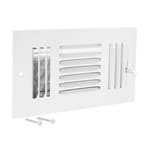
Adjustable louvered air supply diffuser for 10" x 4" duct openings (outer frame 11.75" x 5.75") suitable for sidewall or ceiling installation. Constructed from steel with a white powder-coat finish, it features front-access adjustable fins, a back damper with a low-noise control lever for airflow regulation, and includes color-matched screws for mounting.
HVAC Premium 10''w x 4''h Adjustable AIR Supply Diffuser - HVAC Vent Cover Sidewall or Ceiling - Grille Register - High Airflow - White [Outer Dimensions: 11.75''w X 5.75''h] Review
Why I swapped in this diffuser
I replaced a handful of builder-grade registers in a 1950s house, and one stubborn sidewall vent in particular never directed air where I needed it. I put in this 10x4 diffuser from HVAC Premium to see if a better-made register with real adjustment would help. Short version: installation was straightforward, the adjustments actually matter, and overall airflow and comfort improved in that room. It’s not the cheapest option, and there are a few design choices to be aware of, but it’s a meaningful upgrade over the flimsy stamped registers you find at the big box store.
Fit and installation
Sizing is often where registers go wrong. This unit is correctly sized by duct opening: it’s meant for a 10-inch by 4-inch cutout. The outer face measures about 11.75 by 5.75 inches, which gave me enough coverage around the drywall cut with a bit of margin for imperfect edges. If you’re measuring your existing vent, measure the hole or the metal duct box, not the faceplate.
Installing it was uneventful. The back damper slides into the opening cleanly, and the flange lays flat against the wall. The two mounting holes are recessed and aligned well, and the included color-matched screws bite into wood or plastic anchors without stripping. On a plaster wall, I pre-drilled and used anchors. On a ceiling, I recommend a second set of hands or a magnetic bit holder to keep the screw from wandering. Total install time per register: 5–10 minutes.
Tip: if your duct box is set deep, a thin foam gasket or a bead of weatherstrip around the back of the flange helps prevent rattles.
Build quality and finish
The face and damper assembly are steel with a smooth white powder coat. The finish is better than typical budget registers—glossy without orange peel, and resistant to scuffs during installation. Edges are deburred, so there were no sharp corners to catch fingers or drywall. The control lever for the damper is small but positive; it doesn’t feel sloppy or loose.
On my sample, the individual front fins are a rigid polymer, while the frame and damper are steel. That’s a common construction in adjustable diffusers. The upside is that the fins move smoothly and don’t rattle; the trade-off is that they don’t feel as bulletproof as all-metal louvers you’d find on commercial diffusers. If you want an indestructible all-steel face, make sure you verify that spec before buying—this model prioritizes smooth adjustment and low noise.
Packaging was excellent: shrink-wrapped with a cardboard backer. Mine arrived without bent corners or chipped paint.
Airflow and control
This is where the diffuser earns its keep. You get two layers of control:
- A rear damper to throttle how much air you allow through.
- Individual front fins you can angle to shape where the air goes.
On the problem vent, I opened the damper fully, then aimed the fins slightly up and to the left to push air across the room instead of straight at the sofa. The difference was immediate. Velocity felt higher at the far side of the room, and because the flow was spread and directed, it felt less drafty near the register.
If you’ve only used registers with a single toggle that sort of opens and closes a bank of louvers, this is a step up. Being able to adjust each fin from the front is genuinely useful: you can kick the bottom fins closed in winter to wash warm air along the ceiling, then reverse for summer to push conditioned air lower. The adjustments hold their position after a few cycles; they’re not loose or “springy.”
Noise
No register is silent if you choke it down too far, but with the damper set reasonably, this diffuser is quiet. The lever operates smoothly with a muted detent feel—no clacking. At higher static pressures (older systems with restrictive ductwork), I heard a touch of hiss with the damper half-closed, which is expected. Opening the damper and using the front fins to shape the flow reduced noise while keeping comfort where I wanted it.
If you’re fighting whistling on your current vent, try opening the back damper more and using the face fins to direct air—that combination worked well here.
Looks and finish in the room
The low-profile face and consistent powder-coat blend well on both walls and ceilings. The color-matched screws are a small touch that keeps the face clean-looking. This isn’t an architectural statement piece, but it is a clear step up from stamped builder-grade. The louvers sit evenly, and the lever is unobtrusive.
Durability and maintenance
After several weeks of daily adjustment during a shoulder season, movement remained smooth. The powder coat wipes clean with a damp cloth and hasn’t marked from minor scuffs. With polymer fins, I’d avoid harsh solvents; a mild cleaner is plenty. For long-term durability in high-traffic areas (kids’ rooms where things get poked), steel fins would be tougher, but most applications won’t stress these.
One maintenance tip: vacuum the face occasionally to keep dust from building on the fin edges. That keeps airflow efficient and reduces any chance of whistling.
Where it shines
- Meaningful control: independent fin adjustment plus a real damper is a big upgrade over basic registers.
- Accurate sizing: the stated duct size and outer dimensions were spot on, which makes planning and replacement easy.
- Smooth, quiet operation: the damper lever and fin pivots feel deliberate rather than flimsy.
- Clean finish: the powder coat and recessed screws look tidy in finished spaces.
- Easy install: two screws, no surprises, and it sits flush.
Where it falls short
- Price: you can find cheaper stamped registers. If you value control and finish, this is worth it; if you’re outfitting a basement workshop, you may not need the extra features.
- Mixed materials: the combination of steel frame/damper with polymer fins is quiet and smooth, but not as rugged as all-metal louvers. If you habitually crank or bump the fins, manage expectations.
- Small lever: the damper lever is low-profile, which looks good but can be a bit fiddly in tight corners or with gloved hands.
Sizing and selection tips
- Measure the duct opening, not the old faceplate. This model fits a 10 x 4 inch opening; the face is about 11.75 x 5.75 inches.
- Check wall/ceiling clearances for the lever. You’ll want at least a finger’s width on the lever side for easy operation.
- Keep returns and supplies straight: this is a supply diffuser with a damper, not a return grille. Don’t install it on a return line.
The bottom line
This diffuser made a tangible difference in how a tricky room feels. The combination of a solid steel frame, smooth back damper, and front-access fin control lets you shape airflow intelligently instead of just blasting or starving a vent. It installs easily, looks clean, and operates quietly. While it costs more than the bargain options and its polymer fins aren’t as bombproof as all-steel louvers, the upgrade in control and finish is obvious.
Recommendation: I recommend this diffuser for anyone looking to replace builder-grade registers with something that actually manages airflow. It’s especially worthwhile for sidewall or ceiling vents where direction matters and for rooms that are consistently too drafty or too stagnant. If budget is the only concern or you require all-metal fins for heavy-duty use, consider a commercial-grade alternative. For typical residential applications, this strikes a smart balance of quality, adjustability, and clean looks.
Project Ideas
Business
Custom Decorative Vent Covers
Offer a service painting, stenciling, or laser-etching the 11.75" x 5.75" frame to match homeowners' decor—sell single-piece custom covers or sets for whole rooms. Market to interior designers and homeowners who want an easy visual upgrade that keeps the practical adjustable-damper and low-noise benefits intact.
Property-Manager HVAC Upgrade Bundle
Sell bulk packs of these adjustable, low-noise diffusers plus an installation service targeted at landlords and property managers replacing worn registers in rental units. Pitch improved tenant comfort, easy airflow control, durable steel construction, and included matching screws to minimize callbacks.
Etsy Upcycled Vent Art Shop
Repurpose these steel registers into handmade wall art, jewelry displays, or lit shadowboxes and sell them as eco-conscious home decor on Etsy. Emphasize craftsmanship, the quality powder-coat finish, and the interactive element of adjustable louvers; offer personalization options like color, pattern, or custom mounting hardware.
Seasonal/Promotional Faceplate Kits
Design snap-on decorative faceplates or magnetic overlays sized for the diffuser frame for holidays, retail promotions, or branded environments (cafes, boutiques). Sell kits with templates and easy attachment hardware so customers can swap covers seasonally without removing the installed register or altering the HVAC function.
Creative
Mini Vertical Herb Planter
Mount the 10x4 diffuser horizontally on a kitchen backsplash or narrow wall and attach small reusable silicone or metal cups behind the louvers to hold tiny herb cuttings or succulents. The adjustable fins let you angle light and airflow around each plant, and the powder-coated steel frame provides a sturdy, low-profile mounting surface; line the cups for drainage and use the included screws to secure the assembly.
Adjustable Shadowbox Display
Turn the register into a low-profile shadowbox: mount a shallow box behind the grille, place photos or small objects on the inside ledge, and use the louvers to control light and sightlines for different display moods. Add a thin LED strip behind the frame for backlighting and use the front-access fins to direct the glow or hide elements when you want a cleaner look.
Jewelry & Earring Organizer
Use the individual adjustable fins as display rails for earrings, necklaces, and bracelets—pierce lightweight cards or hang hooks from the louvers to organize pieces. The slim frame is perfect for mounting inside a closet door or on a bathroom wall; the included color-matched screws keep the look tidy and the steel construction handles repeated use.
Kinetic Industrial Wall Art
Create a modular art installation by painting several registers in contrasting colors and mounting them in a grid. The adjustable fins let each panel change appearance with a touch—shift the louvers to create light-and-shadow patterns or motion-driven effects. The durable powder coat makes them suitable for indoor or semi-protected outdoor walls.