
Features
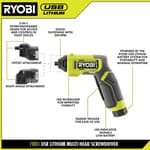
- Delivers 175 in-lbs of torque
- Weighs 2 lb
- Quick-change chuck for one-handed bit changes
- Variable-speed trigger for increased control
- Battery fuel gauge to display remaining runtime
Specifications
| Drive | 1/4-inch hex |
| Max Torque | 175 in-lbs |
| Weight | 2 lb |
| Chuck | Quick-change |
| Speed Control | Variable-speed trigger |
| Battery Fuel Gauge | Yes |
Related Tools
Related Articles
Cordless 1/4-inch hex screwdriver that delivers up to 175 in-lbs of torque. Features a quick-change chuck for one-handed bit changes, a variable-speed trigger for control, a battery fuel gauge to indicate remaining runtime, and an approximate weight of 2 lb.
Milwaukee 1/4-inch Hex Screwdriver Review
A compact driver built for control
A good cordless screwdriver earns its keep the first time it saves a screw head. That’s where this Milwaukee screwdriver earns a spot in my kit: controlled fastening without the drama. After weeks of using it for light installs, cabinet hardware, electrical covers, and general maintenance, I’ve come to think of it as a precision tool that’s happiest in the middle lane—strong enough for most day-to-day tasks, tuned for finesse, and deliberately not an impact driver.
Build, balance, and ergonomics
At about 2 lb, it’s light enough to carry all day and balanced well through the handle. The form factor isn’t the absolute shortest in its class, but the nose isn’t unwieldy either; I was able to get into most cabinets, junction boxes, and under-sink spaces without much contortion. The grip is comfortable and the variable-speed trigger has a wide, predictable range. Feathering the trigger to walk a fastener in is easy, and I rarely felt jumpy starts even on delicate hardware.
The clutch ring offers fine-grained adjustment with a lot of detents. That gives you enough resolution to dial in exactly what you want, especially on small machine screws or plastic housings. If you prefer fewer, broader settings, you may find yourself spinning the ring more than you’d like, but the upside is excellent repeatability once you land on the right number.
I’ll also call out the onboard battery fuel gauge. It’s a small feature that pays off at the end of a long punch list, letting me plan ahead rather than guessing how much runtime is left.
Power and speed in real use
Milwaukee rates this driver at 175 in-lbs of torque, and it feels every bit of that. With a proper pilot, it will drive 2–1/2-inch screws into softwood without protest, and it’s completely unfazed by cabinet hardware, wall plates, electrical devices, and general repair work. Where it shines is controlled driving: I can set a fastener flush without chewing up a head or crushing a substrate, then bump the clutch a few clicks to snug larger screws.
Top-end speed is intentionally modest for a screwdriver. That’s the tradeoff for control. If you’re expecting drill/driver RPMs, you won’t find them here; this is built to start slow, stay steady, and keep you out of trouble. I used it to predrill small holes in pine and drywall with hex-shank bits and it did fine, but if you have a lot of holes to punch or need clean holes in hardwoods, a dedicated drill will be faster.
Chuck and bit changes
The 1/4-inch hex quick-change chuck supports one-handed operation via the collar. It holds bits securely, even under repeated starts and stops. One nuance: it’s not a push-in auto-load style chuck. You’ll need to pull the collar to insert and to remove bits. With a little practice you can still manage this one-handed, but if you’re used to push-in chucks that snap-lock on insertion or eject bits when you pull the collar, adjust your expectations. No complaints on retention—I never tossed a bit—just know it’s a more traditional quick-change feel.
Precision first, clean finishes
Where this driver earns its keep is on tasks where overdriving is costly. Hanging hinges, installing knobs and pulls, assembling furniture, mounting blinds and curtain brackets, terminating devices, or running through punch-list odds and ends—this is the lane. The clutch’s fine adjustment, paired with the smooth variable-speed trigger, makes it easy to stop right as the screw seats. I cracked fewer covers and stripped fewer small fasteners with this than with compact drills and impacts, and I didn’t have to switch to hand-driving nearly as often.
Runtime and platform considerations
Runtime has been solid for me on a single compact battery, helped by the screwdriver’s conservative top speed. The fuel gauge is genuinely useful; I check it between rooms rather than pulling a battery on spec. If you do long days of repetitive fastening, carrying a spare battery is still smart, but for intermittent use throughout the day, I rarely found myself reaching for the charger sooner than expected.
Durability and day-to-day handling
Nothing about this tool feels fragile. The housing shrugs off dust and tossing into a tool bag, and the chuck still runs true after a string of bit swaps. There’s minimal wobble in the bit under load, and the trigger modulation has stayed consistent. I’d prefer a slightly shorter nose for the tightest cabinet interiors, but I never had to abandon it in favor of a right-angle adapter during my testing.
One small note: accessory bit holders that mount via belt-clip holes vary across models. There isn’t an included bit holder, and compatibility with aftermarket holders can be hit-or-miss depending on the bracket. I ended up relying on a magnetic wristband or a pocketed bit case instead.
What it’s not
It’s not a replacement for an impact driver or a high-speed drill/driver. If your work leans toward decking, structural fasteners, or rapid drilling, this won’t keep up. There’s no two-speed gearbox and the top RPM is conservative by design. Similarly, if you want a chuck that auto-locks on insertion and kicks the bit out on release, this one requires a collar pull in both directions.
Milwaukee’s higher-spec sister models add more speed, sometimes additional features, and generally a brushless motor—at a higher price. If those features matter for your workflow, the step up can be worth it. For me, the more affordable, simpler screwdriver with a good clutch and predictable trigger is often the right call for finish-oriented tasks.
Highlights and gripes
What I liked
- Excellent control: smooth variable-speed trigger and a fine clutch make it hard to overdrive.
- Useful torque for a screwdriver: 175 in-lbs covers a broad range of installs and repairs.
- Manageable weight and balance: around 2 lb and comfortable for extended use.
- Practical touches: the battery fuel gauge eliminates guesswork.
What I’d change
- Chuck behavior: no push-in auto-load or auto-eject; you must pull the collar to insert/remove bits.
- Top-end speed: ideal for control, but slow for bulk drilling or long fasteners.
- Size: not the shortest nose in tight cabinetry, though still workable.
Who should reach for this
- Installers and maintenance techs who value consistency over raw speed.
- Electricians and low-voltage pros for device plates, fixtures, and panels where a gentle touch matters.
- Cabinetmakers and carpenters for hardware, hinges, and adjustments.
- Homeowners who want a forgiving, capable driver that won’t turn every task into a cam-out contest.
If you routinely alternate between delicate fastening and moderate screw driving, this screwdriver is easy to recommend as your primary tool. If your day is heavy on drilling or long structural fasteners, pair it with a compact drill or impact and let each tool do what it does best.
Recommendation
I recommend this Milwaukee screwdriver for anyone who prioritizes control, clean finishes, and predictable torque over top-end speed. Its 175 in-lbs of torque, thoughtful variable-speed trigger, fine clutch adjustment, and practical battery fuel gauge make it a reliable everyday driver for installs and maintenance. The quick-change chuck works well but lacks push-in auto-lock and auto-eject, and the overall speed is tuned for precision rather than pace—real limitations if your work is fast and heavy. For most light-to-medium fastening, though, it hits a sweet spot: strong enough, compact enough, and easy to trust when the finish matters.
Project Ideas
Business
Flat-Rate Flat-Pack Assembly Service
Offer an on-demand service for assembling flat-pack furniture (IKEA-style) with transparent, flat-rate pricing per item. The fast-change chuck and high torque let you complete jobs quickly, increasing the number of customers you can serve per day. Use the battery fuel gauge to manage job planning and advertise same-day assembly for local clients.
Mobile Handyman / Quick-Install Concierge
Run a mobile small-job service focused on installs: shelves, curtain rods, TV mounts, and small repairs. The lightweight, high-torque screwdriver reduces worker fatigue and speeds up repetitive screw-driven tasks. Package hourly or task-based pricing, accept bookings through an app or social channels, and upsell maintenance or small custom builds.
DIY Workshop Classes & Project Kits
Host weekend workshops teaching people to build simple furniture (shelves, planters, racks) and sell accompanying kits. Demonstrate tool use and safety; the quick-change chuck and variable-speed trigger make the tool approachable for beginners. Sell kits online and provide an option to rent the cordless screwdriver during classes to lower barriers for attendees.
Small-Batch Custom Home Goods Studio
Produce and sell small-batch home goods—custom shelves, coat racks, planter boxes—through Etsy, local markets, and Instagram. The screwdriver allows efficient, consistent assembly which reduces labor cost per item and improves margins. Offer bespoke sizing, finishing, and installation add-ons to increase average order value.
Retail Merchandising & Fixture Assembly Service
Contract with local retailers and pop-up shops to assemble and install display fixtures, shelving, and signage during off-hours. The quick-change chuck and torque capacity let crews switch between different fasteners and complete installs rapidly, minimizing store downtime. Position the service as a reliable, insured partner for seasonal rollouts and rapid remerchandising.
Creative
Modular Floating Shelf Kits
Design and build interlocking floating shelf kits from plywood or hardwood strips. Use the 1/4-inch hex screwdriver's quick-change chuck to swap between countersink and driver bits, the variable-speed trigger for clean starts when drilling pilot holes, and the 175 in-lbs torque to drive long screws securely into hidden brackets. Sell as pre-cut kits with assembly instructions or make custom sizes on demand.
Pallet Coffee Table with Hidden Fasteners
Upcycle pallet wood into a sturdy coffee table that uses pocket screws and carriage bolts for a clean look. The tool's torque is enough for lag-style connectors and its two-pound weight keeps it comfortable during longer assembly sessions. The battery fuel gauge helps you plan multi-piece builds so you don't get interrupted mid-screw.
Cedar Herb Planter Boxes with Removable Liners
Build weather-resistant planter boxes with recessed screw channels so hardware is concealed and the liners are removable. Variable-speed control prevents wood splitting near edges and the quick-change chuck makes switching between driver bits and a socket adapter fast for bolts. Create sets in different sizes and finishes for markets, patios, and gift bundles.
Wall-Mounted Bike & Gear Rack
Craft a heavy-duty wall rack for bikes, helmets, and tools using solid lumber and anchored hardware. The screwdriver's 175 in-lbs torque ensures secure installation of anchors and lag screws, while quick bit changes let you move between hex sockets and Phillips bits as needed. Offer customizable hook layouts and powder-coated metal accents for a premium product.
Kinetic Desk Sculpture / Toy
Create small kinetic sculptures or fidget toys using wood and metal pivots held by screws and bushings. The variable-speed trigger gives precise control for delicate assembly and the quick-change chuck speeds up swapping tiny bits. Market them as handcrafted office accessories or workshop demo pieces to showcase technique.