
Features
- Brushless motor for improved performance and efficiency
- Compact design for access in tight areas
- Four driving modes for different applications
- Self-tapping screw mode to reduce fastener stripping
- LED light to illuminate the work area
- Compatible with all M18™ batteries and tools
Specifications
| Drive Size | 1/4" |
| Motor Type | Brushless |
| Drive Modes | 4 |
| Self Tapping Screw Mode | Yes |
| Led Light | Yes |
| Battery Compatibility | M18 batteries |
Related Tools
Related Articles
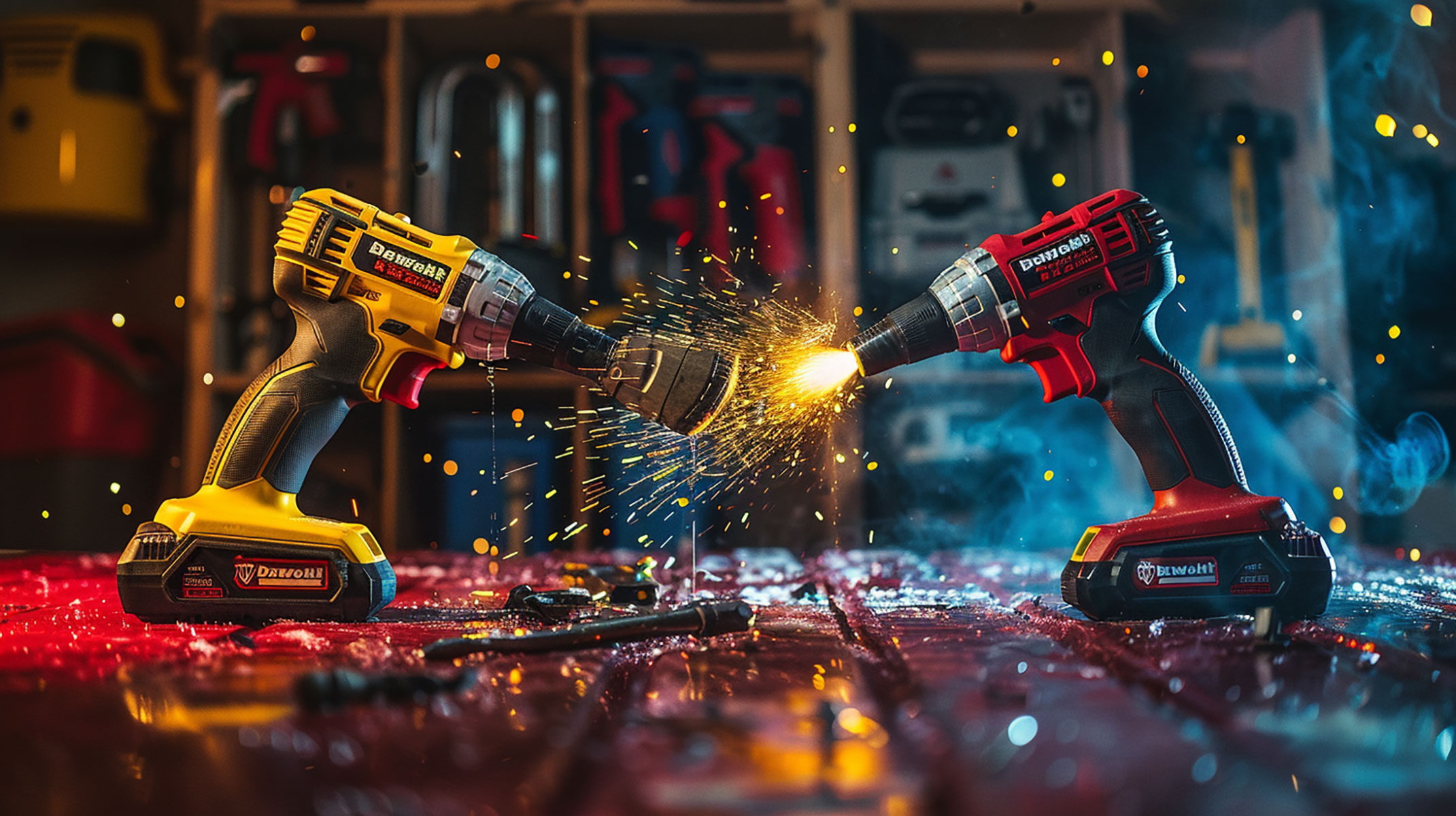
A compact 1/4-inch hex impact driver with a brushless motor. It is configured for use in tight spaces, offers four driving modes including a self-tapping screw mode to reduce fastener stripping, includes an integrated LED for work-area illumination, and is compatible with the M18 battery platform.
Milwaukee 1/4" Hex Impact Driver Review
A compact bruiser that rewards a steady hand
Small tools that hit above their weight are my weakness, and this Milwaukee impact driver fits that description. It’s one of the smallest 18V drivers I’ve used, yet it delivers serious speed and breakaway power. After months of framing, cabinet installs, and a few too-many deck screws, I have a clear sense of where it shines—and where it can test your patience.
Power and speed
Put simply, this driver is fast. Paired with an M18 battery, it rips through structural screws and small lags with an urgency that makes other compact drivers feel sluggish. I had no problem breaking free properly torqued 1/2-ton truck lug nuts in a pinch (not its intended job, but it had the grunt). Spade bits up to 1-1/8 inch in spruce move quickly, and structural screws into engineered lumber don’t bog it down. The brushless motor is the real deal here—high RPM, strong impacts, and good efficiency for the size.
If you frequently move between light-duty fastening and heavy carpentry, you’ll appreciate how rarely this driver feels out of breath. It carries itself like a larger tool.
Driving performance and control
The caveat to all that top-end speed is control on long wood screws. Like many high-speed impacts, this one prefers resistance before it starts impacting. On fasteners that don’t immediately load the tool—think 3- to 5-inch deck screws into dry SPF without a pilot—there’s a tendency to spin at high RPM before the hammering engages. If you’re not square to the work and pushing with conviction, that can lead to cam-out and chewed screw heads.
I’ve learned to manage this a few ways:
- Start in Mode 1 for the first second to set the screw, then bump to Mode 2 or 3 once the threads bite.
- Use high-friction, tight-tolerance bits (e.g., impact-rated Torx or high-quality Phillips) and retire them at the first sign of rounding.
- Pre-drill for 4- to 5-inch screws in dense lumber or pitch-heavy PT.
- Keep steady, in-line pressure—don’t “feather” the trigger at full RPM and expect the tool to bail you out.
When you apply those habits, the driver is excellent. It’s just not as forgiving as a tool with a dedicated “assist” mode tuned for wood screws. If you drive miles of decking or subfloor, a quieter oil-impulse driver or a model with a low-RPM start/auto-ramp mode may make your day easier. For mixed carpentry and remodeling, I’m still happy to reach for this one.
Four modes that mostly make sense
You get four driving modes on the foot of the tool. Modes 1–3 cover a sensible spread from precise to aggressive. Mode 1 is very controllable for cabinet hardware and delicate trim. Mode 2 is a great everyday setting for cabinet carcasses and general construction screws. Mode 3 unleashes the full output for lags, ledger screws, and bolt work.
The standout is the self-tapping screw mode. It tamps down speed to avoid walking a bit across thin steel and then backs off at the right moment to prevent overdriving or snapping small fasteners. For HVAC, electrical, and metal framing, that mode is spot-on.
What’s missing is a “wood screw assist” that starts slow and ramps once the screw is committed. If you’ve used drivers that do this, you’ll notice its absence here.
Ergonomics and size
This is a compact driver in the truest sense. Its head length lets me get between studs and into eaves where a lot of 18V drivers won’t fit. The handle angle and overmold feel right, and it balances nicely with a compact M18 pack. With a heavier battery, you gain runtime and punch but lose some of the tool’s go-anywhere feel; I find a 2.0Ah or 3.0Ah compact pack is the sweet spot for most indoor work, while a 5.0Ah or High Output pack is great on exterior framing days.
The trigger is progressive and predictable, and the forward/reverse switch is positive even with gloves. The LED is bright enough and well aimed, though a ring light around the chuck would reduce shadows in tight enclosures.
Bit retention, wobble, and the collet
The 1/4-inch hex collet is a one-handed design—push a bit in to lock, pull the collar to release. On my sample, it’s mostly secure and quick, but there are two quirks worth noting:
- With certain round-shank or short-shoulder bits, I see a hint of runout compared to a few competitors. It’s not a problem for framing or deck work, but if you’re countersinking hardware where runout telegraphs into the finish, you’ll notice it.
- The collar sometimes needs a deliberate push to fully seat a bit. If you insert a bit casually, it can feel locked while sitting just shy of the detent, which risks a pop-out when you load the tool. The fix is simple—give the bit a firm push and tug test—but it’s a behavior to internalize on day one.
If your work depends on perfect concentricity for drilling, pair this driver with high-quality hex-shank drill bits and check fit before precision tasks.
Heat, runtime, and durability
Under continuous lag driving or structural screw work, the motor and anvil get warm, as you’d expect in a compact housing. I’ve tripped thermal protection a couple of times when leaning on back-to-back large fasteners with a compact battery. It recovers quickly after a short cool-down, and switching to a higher-capacity or High Output pack helps by reducing voltage sag and spreading heat. For demanding days, a couple of larger packs in rotation turn this into a reliable production tool.
Long-term, the brushless motor and electronics have held up well. As with any impact, the anvil and collet are wear items; if you notice increasing wobble or inconsistent bit retention after heavy use, a service center can refresh those parts under normal maintenance.
Noise and vibration
This is a traditional hammer-and-anvil impact, so it barks when it starts hitting. It’s not offensively loud for the class, but hearing protection is smart in enclosed spaces. Vibration is well controlled in lighter modes and more pronounced in Mode 3, as expected. If you work in finished spaces or around clients and want something quieter, an oil-impulse driver will be the neighborly choice, albeit with less top-end speed.
The right jobs for this driver
Where it absolutely excels:
- Tight access fastening with full 18V power
- Structural screws and small lag bolts
- Self-tappers in sheet metal using the dedicated mode
- Mixed remodeling where you bounce between tasks
Where you’ll want to adapt or consider alternatives:
- Long wood screws where a soft-start/assist mode would minimize cam-out
- Precision drilling/countersinking that exposes minor runout
- All-day heavy production driving without breaks, where a larger housing and battery can shed heat better
Battery ecosystem and compatibility
If you’re already on M18 batteries, this driver is an easy add—no surprises, full cross-compatibility. It runs happily on compact packs for finish work and wakes up with larger batteries when you need staying power. If you’re choosing a platform from scratch, the battery ecosystem is a real advantage; you can share packs with a deep bench of tools on the same voltage.
Bottom line
This Milwaukee impact driver is a compact powerhouse with real jobsite chops. It’s fast, small, and versatile, and the four-mode interface—especially the self-tapping setting—covers a lot of ground. The trade-off for all that speed is a learning curve on long screws; it wants the screw engaged before it starts hitting, and if you don’t manage that, you’ll experience cam-out. The collet could inspire more confidence with certain bits, and heat management benefits from smarter battery pairing on heavy days.
Recommendation: I recommend this driver for pros and serious DIYers who value compact size and top-tier speed within the M18 ecosystem. It’s outstanding for structural fasteners, metal work with self-tappers, and general construction in tight spaces. If your primary workload is miles of long deck screws and you prefer a driver that “assists” the start with a slow ramp, consider an alternative with a dedicated wood-screw assist or an oil-impulse model. For everyone else, this is a small tool that does big work—provided you bring a steady hand and the right bit.
Project Ideas
Business
Mobile Furniture Assembly Service
Offer same-day assembly for flat-pack furniture and storage systems. The compact impact driver excels in cramped apartments and closets; self-tapping mode reduces stripped fasteners and rework. Package services by complexity and offer an add-on 'secure-mount' option for permanently fastening heavy pieces to studs.
Tight-Space Retrofit & Repair Niche
Specialize in retrofits and repairs where access is limited—kitchen cabinet hinge replacement, appliance panel removal, closet system adjustments. Market the ability to work where larger tools can't. The LED helps in poorly lit cavities, and M18 battery compatibility means long runtime between jobs.
On-Demand Tool Rental + Tech Support
Rent compact impact drivers for DIYers doing home projects, bundled with short virtual coaching sessions (15–30 minutes) on using the self-tapping mode, picking bits, and safe fastening. Offer weekend and holiday packages; maintenance and battery swapping keep uptime high for customers.
Workshops & Micro-Classes
Run small hands-on classes teaching quick-project builds (shelves, racks, jigs) that highlight efficient fastening techniques and tool selection. Use the driver to demonstrate the four drive modes, show how to avoid stripping, and teach speed tips for pros and serious DIYers. Sell takeaway kits with pre-cut parts and fasteners.
Niche Content: 'Tight Space Solutions' Channel
Create online content (short-form videos and how-to guides) focused on projects and repair tips for cramped spaces. Demonstrate the impact driver's LED, compact reach, and self-tapping mode in real jobs. Monetize via affiliate links to the M18 platform, sponsored tool features, downloadable plans, and local service leads generated from viewers.
Creative
Hidden Floating Shelves with Concealed Fasteners
Build a set of low-profile floating shelves that appear to have no hardware. Use the compact 1/4" hex impact driver to drive machine screws into welded or threaded shelf brackets inside the shelf box. The compact size and LED let you work inside narrow carcasses, and the self-tapping mode prevents stripping when driving into thin metal or hardwood back plates.
Custom Wall-Mounted Bike Rack
Create a sleek, space-saving bike rack from steel flat bar and hardwood blocks. Use the impact driver to quickly drill and drive self-tapping screws into the metal hangers and secure decorative hex-head bolts into the wood. Brushless motor gives long life for repetitive fastening; the precise driving modes let you set torque to avoid crushing hardwood blocks.
Mini Workbench & Jig Station
Design a compact, fold-flat workbench and interchangeable jigs (router fence, drill guide, clamping stops). The compact driver is ideal for assembling and quickly changing jig hardware in tight corners. Include detachable components fastened with 1/4" hex bolts so the impact driver can efficiently install and remove them during reconfiguration.
Upcycled Furniture Hardware Refresh
Take thrift-store dressers and give them a modern facelift by replacing dated hardware with custom metal straps, decorative hex bolts, and flush fasteners. The self-tapping screw mode prevents fastener damage in recycled wood, and the LED helps when working inside drawers and tight frame sections.
Bespoke Under-Cabinet LED Lighting Install
Fabricate custom low-profile LED housings and mount them under cabinets or shelves. The integrated LED on the driver makes positioning and pre-drilling under cabinets easier. Use the different drive modes to set low torque for delicate trim fastening, then switch to higher torque for mounting brackets.